
Plants
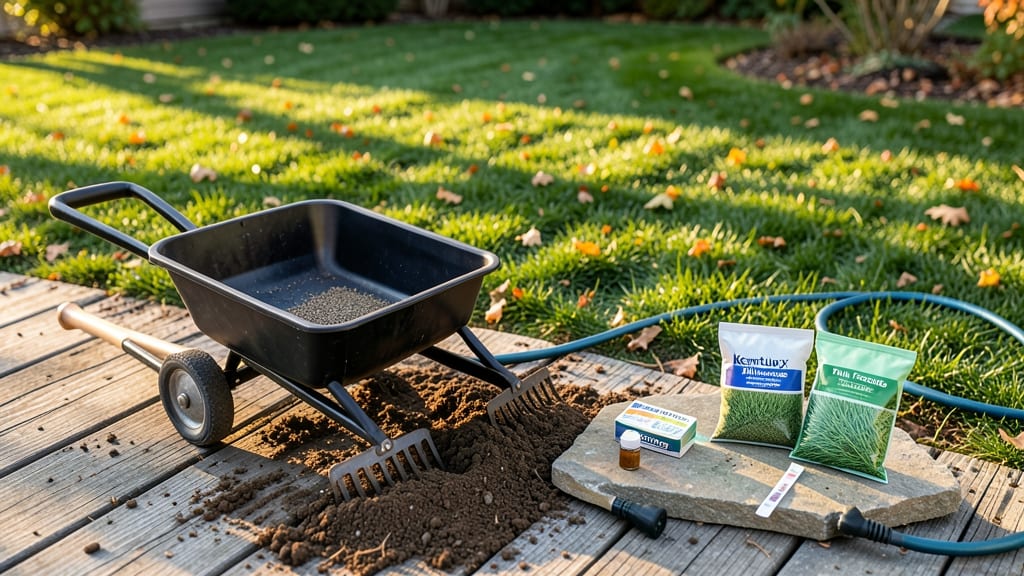
Planting grass seed in Minnesota’s fall means timing it 4-6 weeks before frost—a window that turns patchy lawns into thick, resilient turf by spring.
Minnesota’s unpredictable fall weather can turn a perfect lawn into a patchy mess if you plant grass seed at the wrong time—but timing it right guarantees a lush, resilient lawn by spring.
The key is getting those roots established before the ground freezes. Late August through early October is your 4-week frost-free window, but regional differences in Minnesota’s 4a-5b zones mean your exact deadline could be weeks apart from your neighbor’s.
In this guide, I’ll break down the precise planting window for your corner of Minnesota, soil prep secrets for clay-heavy soil, and the cold-hardy grass varieties that thrive through our winters—so you can skip the guesswork and grow a lawn that survives (and thrives) through next year.
Minnesota’s ideal fall grass seed planting window: exact dates by region
Minnesota’s fall grass seed planting window is a 4-week frost-free period that ensures your lawn establishes strong roots before winter. Planting too early risks drought stress, while seeding too late leaves grass vulnerable to frost damage.
The ideal window is between late August and early October, but exact dates vary by Minnesota’s five USDA hardiness zones (4a to 5b).
For most of Minnesota, the sweet spot is mid-September to early October. This aligns with soil temperatures cooling to 60-70°F, which is perfect for germination.
However, northern regions like the Arrowhead (Zone 4a) have a shorter window, while southern areas like the Twin Cities metro (Zone 5a) can extend planting slightly later.
Missing this window? Grass planted too early may bake in summer heat, while late plantings risk frost kill before roots establish. Use local frost date data to calculate your 4-6 week planting deadline—this is non-negotiable for Minnesota’s cold winters.
| Region | USDA Zone | Ideal Planting Window | Last Safe Date | Key Consideration |
|---|---|---|---|---|
| Northern Minnesota (e.g., Duluth) | 4a (-30°F) | Late August - Mid-September | September 20 | Shortest frost-free window; use cold-hardy varieties like tall fescue. |
| Central Minnesota (e.g., St. Cloud) | 4b (-25°F) | Early September - Early October | October 5 | Moderate climate; Kentucky bluegrass thrives here. |
| Twin Cities Metro (e.g., Minneapolis) | 5a (-20°F) | Mid-September - Mid-October | October 15 | Longer window; fine fescue is drought-tolerant. |
| Southern Minnesota (e.g., Rochester) | 5b (-15°F) | Late September - Early November | November 1 | Warmest zone; perennial ryegrass germinates fastest. |
| Southeast Minnesota (e.g., Winona) | 5b (-15°F) | Late September - Early November | November 1 | Higher rainfall; mix cool-season grasses for resilience. |
Check your local frost dates using the National Weather Service or Minnesota DNR—these deadlines are critical. For example, Zone 4a areas like International Falls must plant by September 20, while Zone 5b areas like Red Wing can push to November 1.
Pro tip: Use a soil thermometer to confirm temps are below 60°F—this signals it’s time to stop planting.
If you’re in doubt, err on the earlier side. Grass planted in late September has 4-6 weeks to establish roots before winter, while late October plantings often fail due to frost. For northern Minnesota, late August is your last chance—don’t wait until September!
Minnesota’s clay-heavy soils also play a role. If your yard has compacted soil, amend with compost or sand to improve drainage. This helps cool-season grasses like Kentucky bluegrass and tall fescue germinate faster, giving them a head start before winter.
For urban areas like the Twin Cities, where microclimates vary, monitor local weather forecasts. A heatwave in late September can dry out newly planted seed, while early snow in October can smother young grass.
Balance soil moisture and air temperature—aim for 50-60°F soil temps and 50-70°F air temps.
Once you’ve planted, mulch lightly with straw or peat moss to retain moisture and protect seed from birds and wind. Avoid heavy mulch—it can suffocate seedlings. Water deeply 2-3 times per week until germination (about 2-3 weeks), then taper to 1 inch per week once established.
By following these region-specific deadlines, your Minnesota lawn will survive winter and bounce back greener in spring. Timing is everything—don’t let a missed window turn your lawn into a winter wasteland! 🌱
How to prepare your Minnesota lawn for fall grass seed success
Fall is the perfect time to plant grass seed in Minnesota, but your lawn needs the right prep to ensure strong germination and winter survival. Minnesota’s clay-heavy soils and variable moisture can make or break your success—so let’s tackle soil prep, weed control, and seed selection like a pro.
With the right steps, you’ll have a thick, resilient lawn by spring, not a patchy disappointment.
Start by testing your soil’s pH and nutrient levels—ideal grass growth thrives in soil with a pH between 6.0 and 7.0. Minnesota’s clay soils often need organic matter like compost to improve drainage and aeration.
If your soil is compacted or waterlogged, consider renting a core aerator to create small holes for seed-to-soil contact. This step is critical for clay-heavy regions like southern Minnesota, where poor drainage can strangle new grass roots.
Weeds are the #1 enemy of new grass seed. Use a pre-emergent herbicide 2-3 weeks before planting to block weed seeds from sprouting, or hand-pull existing weeds for a chemical-free approach.
For stubborn weeds like dandelions, spot-treat with a vinegar-based solution (1 gallon vinegar + 1 oz dish soap) for an eco-friendly kill. Timing matters here—apply herbicides before seeding, not after.
🌱 Step-by-Step Minnesota Lawn Prep for Fall Grass Seed
- 1 Test soil pH and amend with compost or peat moss to reach 6.0-7.0 pH for optimal germination.
- 2 Aerate clay-heavy soil with a core aerator to improve drainage and seed contact. Rent one for $60-$100/day or hire a pro.
- 3 Apply pre-emergent herbicide 2-3 weeks before seeding to block weeds, or hand-pull existing weeds for a natural approach.
- 4 Choose cold-hardy grass seed mixes like tall fescue or Kentucky bluegrass for Minnesota’s Zone 4a-5b climate.
- 5 Spread seed evenly using a broadcast spreader at 5-8 lbs per 1,000 sqft, then lightly rake to ensure soil contact.
- 6 Water lightly but frequently (2-3 times/day) to keep soil moist but not soggy for 2-3 weeks post-planting.
For Minnesota’s fall conditions, select a cold-hardy grass seed mix designed for your USDA Zone (4a-5b). Tall fescue and Kentucky bluegrass are top choices—they tolerate foot traffic, drought, and cold snaps better than other varieties.
Avoid cheap blends with low cool-season grass percentages, as they’ll struggle to establish before winter. Look for seed with at least 80% Kentucky bluegrass or tall fescue for best results.
After seeding, cover the area with a thin layer of straw mulch (¼ inch thick) to protect seeds from birds and erosion. Avoid thick mulch, which can smother new sprouts.
Water lightly but frequently—aim for 2-3 waterings per day (early morning, late afternoon, and evening) to keep the top 1-2 inches of soil moist. Overwatering can drown seeds, while underwatering leads to poor germination.
Reduce watering to once daily after 2-3 weeks, once seedlings are 1-2 inches tall.
Finally, avoid fertilizing until spring—fall seeding relies on natural root growth, not rapid top growth. If you must feed, use a low-nitrogen starter fertilizer (like 5-10-10) at half strength to avoid burning tender new roots.
By following these steps, your Minnesota lawn will be ready to handle winter and explode with growth come spring. 🌿