
Plants
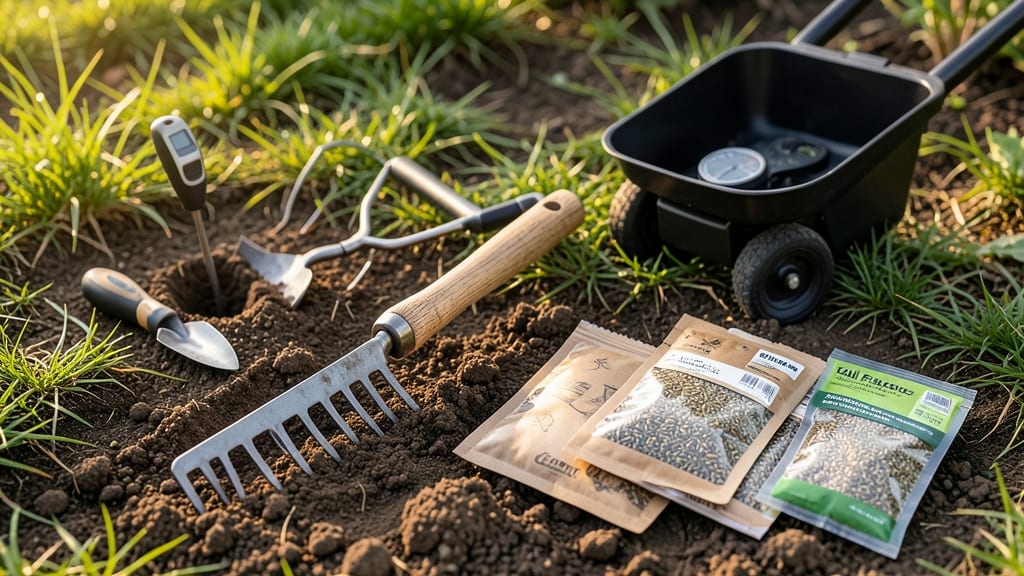
Planting grass seed in Northern California at the wrong time can turn your green dreams into a brown disappointment—especially when coastal fog and inland heat play tricks on your schedule.
You’ve got two narrow windows to get it right: late summer when the soil cools, or early spring before the heat kicks in. Miss either, and you’re fighting weeds, drought, or frost damage instead of enjoying that lush lawn.
This isn’t just about picking a month—it’s about soil temps, microclimates, and the right grass type for your zone. Coastal areas like 8a-9b need fescue that thrives in fog, while inland valleys demand drought-resistant ryegrass that won’t bolt in the heat.
Below, I break down the exact soil temp thresholds, frost-free deadlines by region, and the three biggest mistakes that kill grass before it starts. No guesswork—just science-backed timing for your yard’s success.
Northern California grass seed planting timeline by USDA Zone (soil temps & frost dates)
Northern California’s diverse USDA zones (7b-10a) create wildly different conditions for grass seed success. Coastal areas like San Francisco (Zone 9b) stay mild year-round, while inland valleys like Sacramento (Zone 9a) swing from hot summers to chilly winters.
Timing your planting to match soil temperatures and frost risks is the key to avoiding patchy lawns or total failure.
Cool-season grasses like tall fescue and perennial ryegrass thrive when soil temps drop below 80°F, while warm-season types such as Bermuda grass need 65°F+ to germinate. Planting too early risks frost damage, while waiting too late can mean summer heat stress.
Let’s break down the ideal windows for each zone to maximize your lawn’s potential.
| USDA Zone | Best Planting Window | Soil Temp Threshold | Frost-Free Deadline | Key Grass Types |
|---|---|---|---|---|
| 7b (Mountain Foothills) | Late August – Mid-October | 55–65°F (cool-season) | November 15 (first frost) | Tall fescue, Kentucky bluegrass |
| 8a (Sacramento Valley) | September 1 – October 15 | 60–70°F (cool-season) | December 1 (first frost) | Perennial ryegrass, fine fescue |
| 9a (Bay Area Inland) | August 15 – September 30 | 65–75°F (cool/warm mix) | January 10 (light frost) | Tall fescue, Bermuda grass |
| 9b (Coastal SF/Oakland) | September 1 – October 31 | 58–68°F (cool-season) | December 20 (rare frost) | Fine fescue, ryegrass blends |
| 10a (Redwood Coast) | September 15 – November 1 | 55–65°F (cool-season) | January 5 (mild frost) | Shade-tolerant fescue |
For Zone 7b (e.g., Lake Tahoe area), aim to plant by mid-October to ensure seeds germinate before November’s first frost.
Soil temps here drop quickly, so use a soil thermometer to confirm 55°F+ before seeding. Cool-season grasses like tall fescue dominate here due to their cold tolerance and deep root systems.
Zone 8a (Sacramento, Stockton) offers a longer window—September 1 to October 15—but avoid planting after October 15 unless you’re overseeding. The Sacramento Valley’s heat can stress young seedlings, so morning watering is critical. Perennial ryegrass is a top pick here for its fast germination and drought resistance once established.
Coastal Zone 9b (San Francisco, Berkeley) is trickier due to fog delays. Plant between September 1 and October 31 when temps hover around 60°F. Fine fescue thrives here because it tolerates shade and coastal winds.
If you miss fall, February overseeding is your second chance—just ensure soil temps rise above 50°F.
Inland Zone 9a (San Jose, Livermore) blends cool and warm-season needs. August 15–September 30 is ideal for tall fescue, while Bermuda grass can be sown in late spring (May) when soil hits 65°F+.
The Bay Area’s microclimates mean your neighbor’s perfect lawn might fail in your yard—test soil temps before committing!
Zone 10a (Redwood Coast, Eureka) has the mildest winters, but September 15–November 1 is still prime time. Shade-tolerant fescue is your best bet here, as direct sunlight is limited. Frost risk is minimal, but coastal humidity can promote fungal diseases—avoid overhead watering to prevent issues.
Pro tip: Use a soil thermometer ($15 at garden centers) to check temps 2 inches deep—this is where seeds actually germinate. If temps dip below 50°F, wait. Overwatering is another common mistake; keep soil
Best grass seed types for Northern California’s microclimates (coastal vs. valley vs. foothills)
Northern California’s diverse microclimates demand grass seed varieties that thrive in coastal fog, valley heat, or foothill dryness. Choosing the wrong type can lead to patchy growth or even failure—especially in water-restricted zones. Let’s break down the best grass seed options for each region and their ideal planting windows.
For coastal areas like San Francisco, tall fescue and fine fescue handle the cool, damp conditions and frequent fog. Inland valleys (e.g., Sacramento) benefit from Bermuda grass or buffalo grass, which tolerate hot, dry summers.
Foothill regions often pair blue grama with wheatgrass for drought resistance and minimal water needs.
Planting times vary by grass type and microclimate. Cool-season grasses (like fescue) should go in late August to October or February to March, while warm-season types (like Bermuda) need late spring to early summer. Let’s compare the top choices in this region-specific guide.
If you’re in a water-restricted zone, prioritize drought-tolerant grasses like buffalo grass or blue grama. These varieties thrive with minimal irrigation once established, making them ideal for fire-prone areas where water conservation is critical.
For coastal homes, fine fescue blends with tall fescue create a low-maintenance, shade-friendly lawn.
Pro tip: Test your soil’s moisture retention before planting. Sandy soils in the foothills dry out faster, while coastal areas may stay damp longer. Adjust watering schedules accordingly to avoid overwatering or underwatering.
For example, Bermuda grass in the Central Valley needs deep, infrequent watering, while fine fescue on the coast prefers consistent light moisture.
Timing is everything—plant cool-season grasses in fall or early spring to avoid summer stress, and warm-season grasses in late spring when soil temps rise above 65°F. Miss the window, and you risk poor germination or weed competition.
With the right grass for your microclimate, your lawn will stay lush and resilient year-round. 🌱