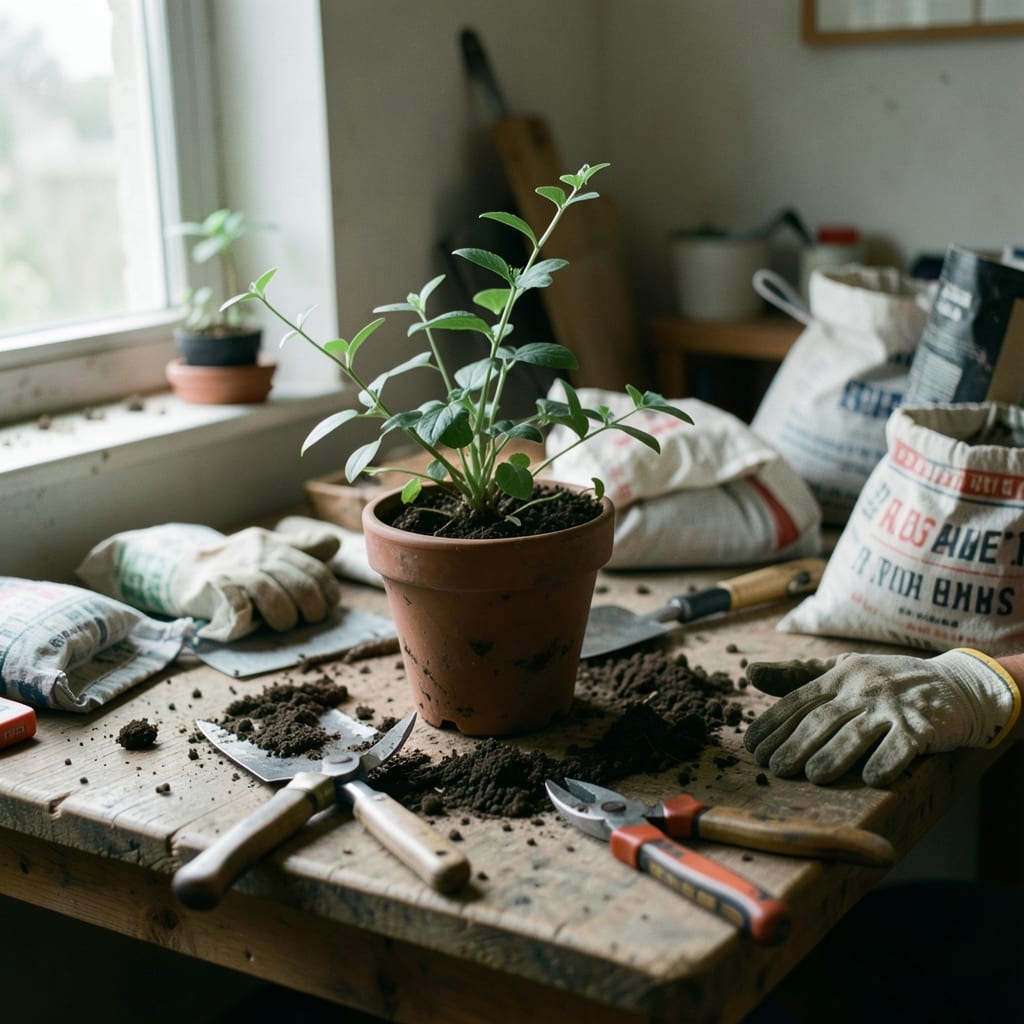
Why I started Seed And Soil
I was twenty, kneeling in a cracked plastic tray of basil seedlings, watching them wilt under the fluorescent lights of a city garden center.
The clerk had told me, *‘They need more sun,’* but the tray was already half-dead by the time I got home, and the sunniest spot on my fire escape was still too dim.
That night, I tossed the wilting plants into the compost bin and swore I’d never buy seedlings again—until I realized I didn’t know how to start them myself.
So I did. I bought a cheap grow light, scavenged egg cartons, and spent a month learning which seeds needed light to germinate and which ones would rot if I didn’t keep the soil damp enough. Some sprouted in days; others took weeks, stubborn and silent.
But when the first real leaves unfurled—bright green, trembling—I understood what I’d been missing: the *lesson* in every failed attempt. This site is for anyone who’s ever stared at a sad little seedling and wondered, *‘What am I doing wrong?’* Here, you won’t find just instructions.
You’ll find the questions that matter: why a tomato vine withers despite your best care, how to tell when a compost pile is *really* ready, and what to do when the soil just won’t cooperate.
Meet the founder
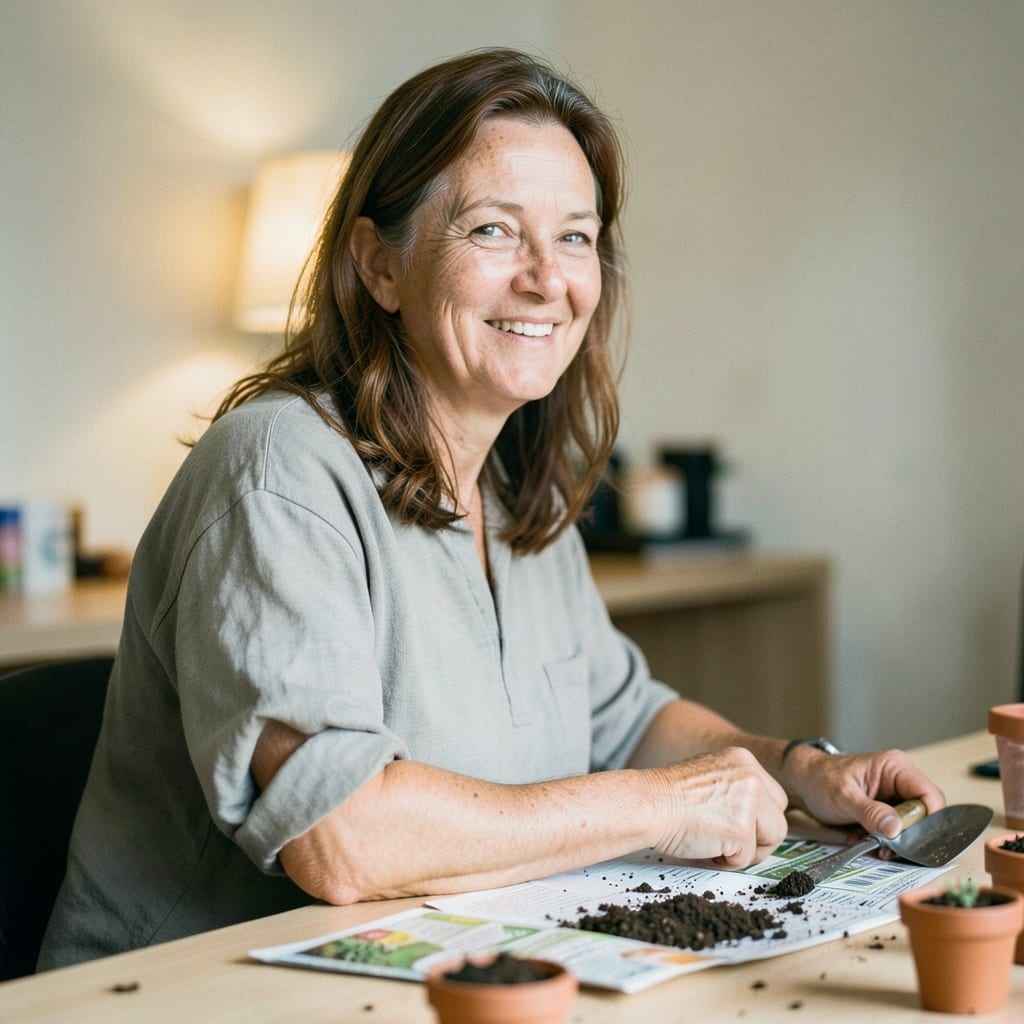
My grandmother’s hands were the first ones to teach me how to read soil. She’d press her thumb into the earth of her vegetable patch and say, *‘Too dry,’* or *‘Hold on—this is still cold,’* and I’d watch, wide-eyed, as her fingers remembered what the land needed before I could.
One summer, I tried to replant her old marigold seeds in my own backyard, but I’d bought the wrong kind of compost—too rich, too fast—and the seedlings bolted into yellow flowers before they’d grown a single real leaf.
She laughed, ruffled my hair, and said, *‘Next time, you’ll know the difference between ‘ready’ and ‘rushed.’’* That was the first lesson I didn’t forget.
The only tool I’ve ever owned that still works is a rusted trowel my grandfather brought back from Mexico in the ’70s.
It’s got a chipped handle and a blade that’s bent from years of digging up stubborn weeds, but it’s the one I reach for every time I’m tempted to use a ‘better’ plastic one.
The problem with new tools, I’ve learned, is that they make you think you’re doing something right when you’re actually just doing it *easier*. This trowel forces me to slow down. If I’m not careful with it, I’ll ruin the blade—and that’s a good reminder that gardening isn’t about speed.
The failure that changed everything was the year I tried to grow peppers from seed indoors. I followed every guide: warm soil, bright light, patience. But my seedlings stretched toward the window like starving ghosts, their stems so thin they snapped when I touched them.
I panicked and moved them under a grow light, but by then it was too late—they’d already learned to lean. That’s when I realized light isn’t just *above* a plant; it’s *around* it. Now, I rotate my seedlings every day, even if it’s just a slow turn by hand.
Some still fall over. But they don’t all.
I have a habit of talking to my plants.
Not in the way people joke about—*‘Oh, come on, grow already’*—but like I’m explaining something to them. *‘See, this is why we’re not watering at noon,’* or *‘Yes, the snails are a problem, but the slugs are worse.’* It’s ridiculous, I know.
But here’s the thing: plants *do* respond to touch. They grow toward the side of a pot you brush against. They tilt toward the sun because they *sense* it. So if I’m muttering at a basil plant like it’s judging me for my slow watering, maybe it’s just… listening.
Meet the mascot
The drawing started on a napkin at a café in Portland, where I’d gone to escape the rain. I’d just spent the morning pulling weeds from my balcony pots, and my hands were still caked in dirt.
The first scribble was supposed to be a dandelion—just a quick sketch to remember how the roots looked—but the stem kept twisting into something else. It wasn’t until I flipped the napkin over that I saw it: a seedling, but not the kind you’d expect.
The leaves were too big, the stem too thick, like it was holding itself up against the wind.
The proper drawn version came later, on a yellow legal pad in my kitchen. I’d traced the napkin sketch with a fine-liner, but the proportions were all wrong—the roots were too long, the leaves too delicate.
So I redrew it, this time imagining the plant as something between a stubborn weed and a proud oak sapling. The key change? The *light*. In the first version, the seedling was just… growing. In the second, it was *reaching*—like it was trying to tell me something.
I added a tiny crack in the soil at its base, as if it had just broken through.
The final version had to lose almost everything to survive as a browser tab icon. The roots shrank to a single line. The leaves became three jagged points, like fingers grasping for air. The crack in the soil turned into a single dot of light beneath the stem.
I named it *Luz*—Spanish for ‘light,’ but also for the way it feels when you finally get a seedling to turn toward you. It’s not perfect. But then, neither are most gardens.
What I promise you
This site isn’t about growing perfect plants. It’s about growing *your* plants—the ones that survive despite your mistakes, the ones that teach you more than they ever give back. What you can hold me to is this:
What you can hold me to
- Every soil test result, light measurement, and failure is documented—even if it’s just a blurry photo of a sad seedling.
- If a method doesn’t work in my climate (Zone 7a, partial sun, rocky soil), I’ll tell you how to adjust it for yours.
- No ‘plant this and forget it’ advice. If a technique requires daily attention, I’ll say so—and offer a lazy alternative.
- The ‘lessons’ aren’t just mine. Some come from my grandma’s notes, some from failed experiments, and some from readers who’ve tried the same thing and lived to tell the tale.
How I create a recipe
A recipe here doesn’t start with a seed packet or a gardening book. It starts with a question—*‘Why did my tomatoes split?’* or *‘How do I keep squash bugs off my zucchini without chemicals?’*—and then it follows the dirt.
I dig into the problem like I’m turning over a clod of soil: what’s visible, what’s hidden, and what’s *really* wrong. Sometimes the answer is simple (too much water). Sometimes it’s stubborn (your soil pH is off).
But every time, the first step is the same: get your hands dirty and ask, *‘What’s this telling me?’*
The first stage: testing the soil
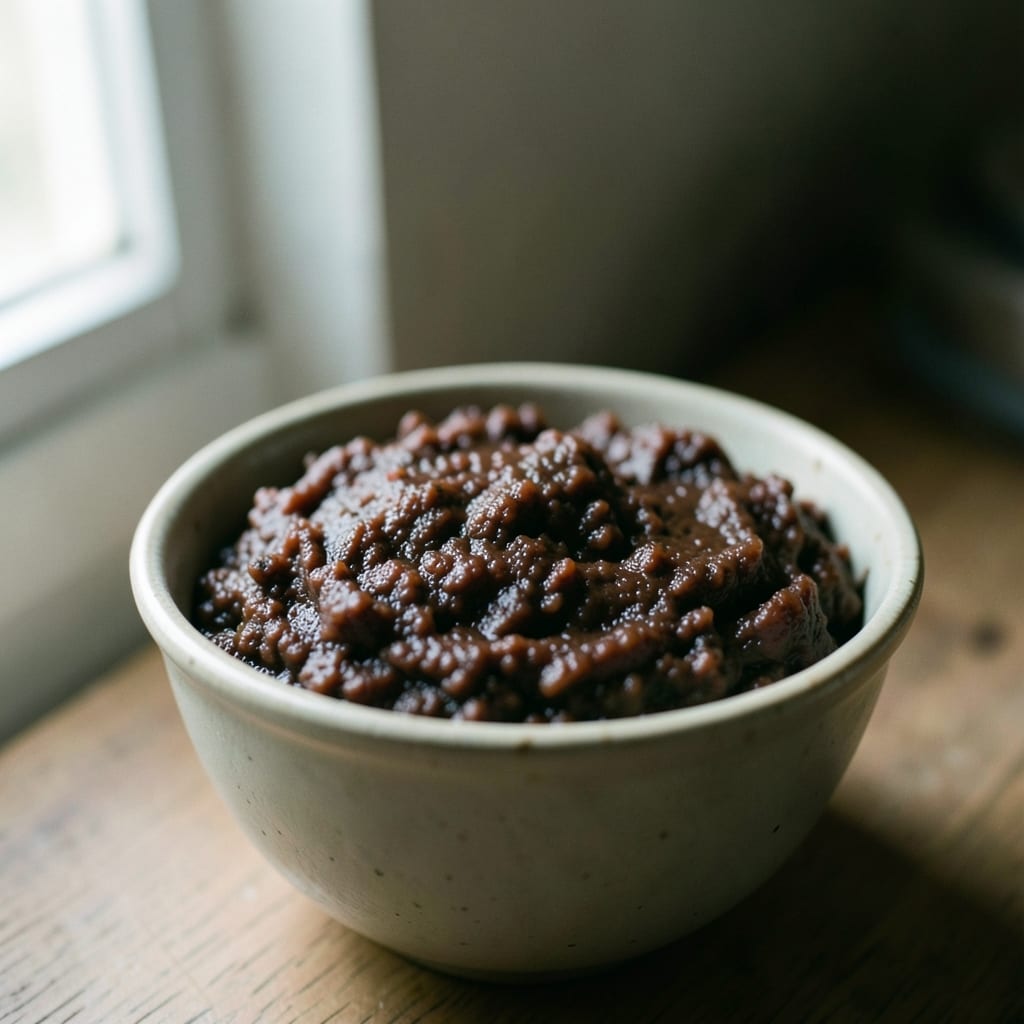
This is where most gardeners skip the step that matters. You don’t just *plant* seeds—you *ask* the soil if it’s ready. I take a handful of dirt, squeeze it, and let it fall apart. If it crumbles easily, it’s dry. If it sticks together like wet clay, it’s too rich.
If it smells sour, something’s rotting. Then I dig a hole, fill it with water, and wait. If the water soaks in fast, the soil’s hungry. If it pools, it’s compacted. I never plant until I know what’s wrong—and what’s not.
The first sign it’s gone wrong? The seedling’s leaves. Yellow? Too much water or not enough sun. Wilting? Maybe it’s thirsty, or maybe the roots are rotting. I watch for three days. If the problem doesn’t fix itself, I rip it out and start over. No guilt. Just lessons.
The second stage: fixing what’s broken
This is where the real work begins. If the soil’s too dense, I add compost and wait. If the pH is off, I mix in sulfur or lime—*slowly*, because you can’t fix dirt in a hurry.
If the plants are stretching toward the light, I move them closer to the window or rotate them under the grow light every 12 hours. No shortcuts. No ‘just add more water.’ If a method doesn’t work in 72 hours, I scrap it and try something else.
The goal isn’t a perfect garden. It’s a garden that *teaches* you.
How a page gets onto this site
A page isn’t born in my notebook or on the computer—it’s born in the dirt. I write down what worked, what didn’t, and why, *while it’s still fresh*. Then I let it sit for a week.
If I can’t explain the failure in plain words, I go back and dig deeper. Some pages get rewritten months later because I realize I missed a step—or because a reader pointed out what I’d overlooked.
The ones that stay are the ones that answer a question I’ve asked myself more than once.
Write to me
I love hearing about the plants that outsmarted you, the soil that refused to cooperate, or the one time you finally got it right. Did your basil bolt before it even leafed out? Did your compost pile turn into a science experiment?
Send me the details—the good, the bad, and the *‘I have no idea what I did wrong’* stories. You’ll find the contact page in the menu above. And if you’re wondering whether to ask something, ask it anyway. The only bad question is the one you don’t share.
The guides are grouped by category: Advice, Aphids, Blooming, Companion Plants, Container Gardens and Diseases.