
Plants
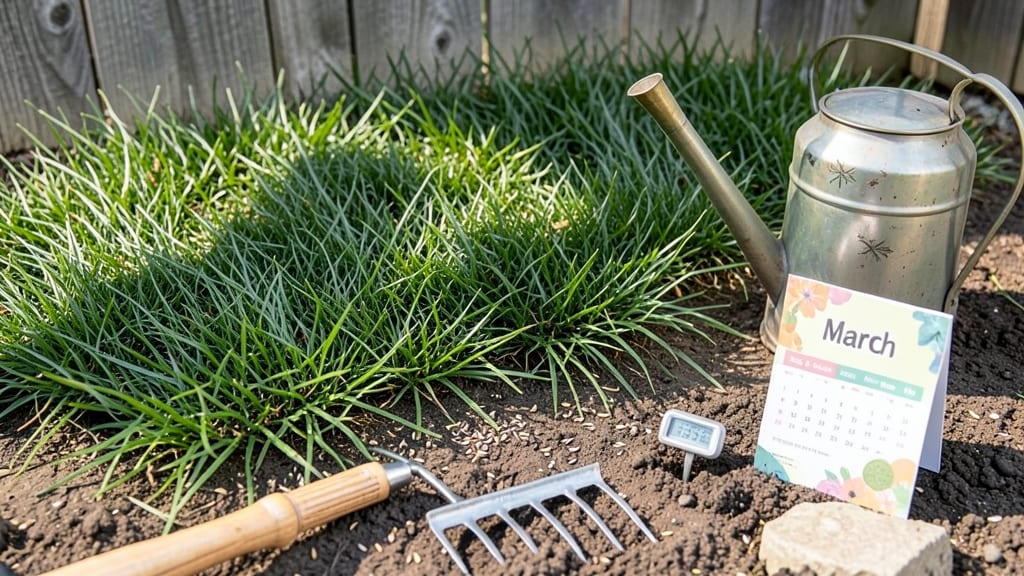
The best time to plant grass seed in Minnesota is between early spring (April to early May) and early fall (late August to mid-September), when soil temperatures hit the 50-65°F sweet spot for germination.
Planting grass seed in Minnesota isn’t just about timing—it’s about catching that sweet spot when soil warmth triggers rapid germination, ensuring your lawn thrives before harsh winters set in.
Why does this matter? Because planting too early risks frost damage, while waiting too late means slower growth before the first freeze. In zones 3-5, the window is narrow, and getting it right makes the difference between a lush lawn and a patchy disappointment.
Here’s what you’ll learn: the exact soil temperature triggers, how to prep your lawn for fast establishment, and the 3 critical mistakes that kill grass seed success in Minnesota’s unpredictable climate.
Minnesota’s ideal grass planting window: soil temperature and climate zones
Minnesota’s cool-season climate creates two prime windows for planting grass seed: early spring and early fall. These periods align with soil temperatures between 50-65°F, which triggers rapid germination.
In northern Minnesota (USDA Zone 3-4), timing is even more critical due to shorter growing seasons and earlier frost risks.
The key is planting when soil warmth triggers germination but before extreme heat or frost arrives. For southern Minnesota (Zone 4-5), you have slightly more flexibility, while northern regions demand precision. Let’s break down the exact windows and soil conditions for each zone.
Soil temperature is your best indicator—grass seed needs 50°F+ to sprout. Use a soil thermometer to check before planting. In spring, aim for late April to early May when daytime temps consistently stay above 55°F. In fall, late August to mid-September works best before the first frost.
Fall planting is often preferred because cooler air temperatures reduce weed competition, and grass establishes strong roots before winter dormancy. Spring planting, however, gives seeds a full growing season to mature before summer heat arrives.
Minnesota’s climate zones (3-5) also influence timing. Northern regions (Zones 3-4) should plant 4-6 weeks before the last frost in spring or 6-8 weeks before the first frost in fall. Southern regions (Zone 5) can stretch these windows slightly, but avoid planting when daytime highs exceed 85°F.
Here’s a quick reference for your region:
In northern Minnesota, where frost can arrive as early as mid-September, prioritize fall planting by August 15th to ensure roots establish before winter. Spring planting should start by April 15th to avoid late-season weeds stealing nutrients.
Southern regions have more leeway but should still avoid planting when nighttime temps drop below 40°F.
Pro tip: Use a soil thermometer to confirm readiness. If temps dip below 50°F at night, delay planting until conditions stabilize. Cooler nights can slow germination and leave seeds vulnerable to rot.
Another critical factor is frost risk. Seedlings are especially vulnerable to frost damage. In spring, wait until nighttime lows consistently stay above 45°F. In fall, plant early enough to allow 4-6 weeks of growth before the first frost. This gives roots time to anchor before winter dormancy.
For cool-season grasses like Kentucky Bluegrass or Tall Fescue (ideal for Minnesota), fall planting often yields the best results. These grasses thrive in cooler weather and establish deeper roots before winter. Spring planting works too, but requires diligent weed control to prevent competition.
Remember, soil preparation is just as important as timing. Loosen soil to 4 inches deep, remove debris, and level the seedbed before planting. This ensures good seed-to-soil contact for even germination.
By aligning your planting with Minnesota’s soil temperature triggers and climate zones, you’ll give your grass seed the best shot at thriving. Whether you choose early spring or early fall, the key is acting when conditions are ideal—not too early, and not too late. 🌱
How to prepare your Minnesota lawn for fast grass seed germination
Preparing your lawn for grass seed germination in Minnesota means focusing on two critical factors: soil conditions and seed selection. Cool-season grasses like Kentucky bluegrass and fine fescue thrive in Minnesota's climate, while warm-season options like Bermuda grass struggle in our short summers.
Start by testing your soil's pH level—ideal for Minnesota lawns is between 6.0 and 7.0—using a simple home test kit or sending a sample to your local extension office.
Once you confirm the pH, amend the soil with compost or peat moss to improve drainage and nutrient content. Minnesota’s clay-heavy soils often compact easily, so aerate your lawn 4-6 weeks before planting to create space for roots.
This step is especially important if your lawn sees heavy foot traffic or has thick thatch layers. Remove existing weeds using a pre-emergent herbicide or manual pulling, ensuring no competition for your new grass seedlings.
When Is the Best Time to Plant Grass Seed in Minnesota?
- Soil stays warm for germination
- Fewer weeds and pests
- Grass establishes before winter
- Avoids summer drought stress
- Warmer soil speeds up growth
- Better for warm-season grasses
- Mid-summer (June-August)
- Winter months (November-March)
- During extreme heat or cold
- Soil temp: 50-65°F
- Consistent moisture
- No frost forecast
After preparing the soil, choose the right grass seed blend for your Minnesota climate. Cool-season grasses dominate here because they handle our cold winters and thrive in spring and fall. Mixes often include tall fescue for durability, perennial ryegrass for quick germination, and Kentucky bluegrass for a lush appearance.
Spread the seed evenly using a broadcast spreader, targeting 5-8 pounds per 1,000 sqft for most blends. Lightly rake the area to ensure good seed-to-soil contact, which is crucial for consistent germination.
Once planted, maintain a consistent watering schedule—watering lightly twice daily for the first week to keep the top inch of soil moist. Reduce to once daily after germination begins (around 7-14 days), providing 1 inch of water per week total.
Avoid heavy watering, which can wash away seeds or cause erosion. Mulching with straw after planting helps retain moisture and protects seeds from drying out or bird damage. This step is especially valuable in Minnesota’s windy conditions.
Finally, avoid mowing until the new grass reaches 3-4 inches tall, which typically takes 4-6 weeks depending on the seed mix. Use a sharp mower blade set to 3-4 inches to prevent tearing the grass. Regular mowing encourages denser growth and reduces weed competition.
In Minnesota, your new lawn should establish fully by late fall if planted in spring or by early summer if planted in fall, giving it a head start against winter stresses.
With these steps, your Minnesota lawn will be ready for fast, healthy grass seed germination—setting the stage for a vibrant lawn that withstands our unique climate challenges. The key is patience and preparation before the first seed hits the soil. 🌱