
Plants
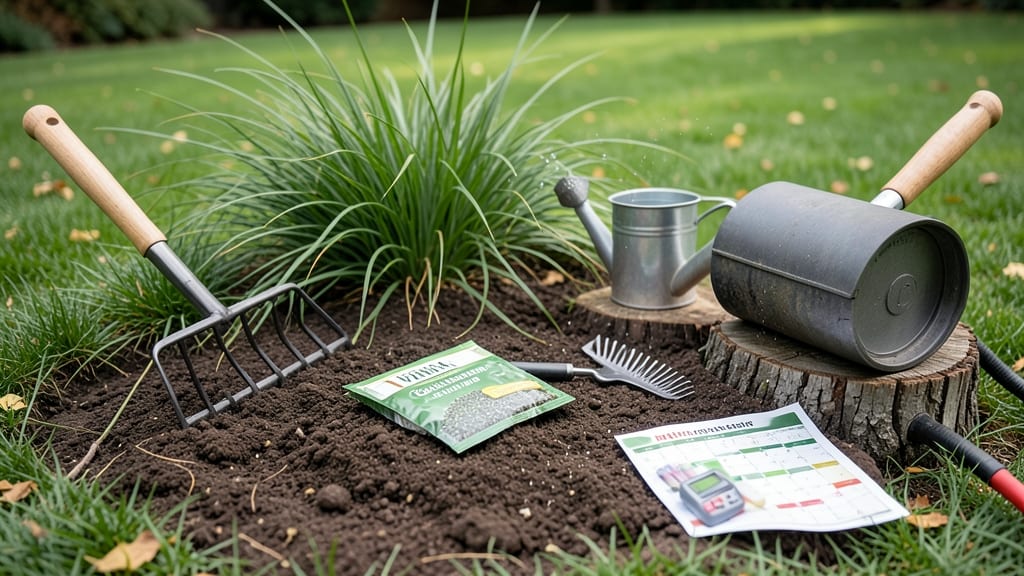
Planting grass seed in Tidewater, Virginia, during March–April or September–October gives your lawn the best shot at thriving in this humid subtropical zone.
Tidewater’s coastal winds and unpredictable frost dates mean timing is everything—plant too early, and seedlings may not survive a late cold snap; too late, and summer heat can stress young roots before they take hold.
Local experts recommend cool-season grasses like tall fescue for fall planting, while warm-season types such as Bermuda need the heat of late spring. Soil temps below 60°F can stall germination, so testing before planting is key.
In this guide, I’ll break down the ideal windows, frost risks, and how to prep your soil for maximum germination—plus local tips to beat Tidewater’s unique challenges.
Best months to plant grass seed in Tidewater Virginia for strong germination
Tidewater Virginia’s humid subtropical climate creates a tricky balance for grass seed—too early and frost zaps tender sprouts, too late and summer’s heat stresses seedlings. The ideal planting window depends on your grass type and local microclimate, whether you’re in coastal Norfolk or inland Williamsburg.
For cool-season grasses like Kentucky Bluegrass, early fall (late August to early October) is prime, while warm-season grasses like Bermuda thrive when planted in late spring (April to May).
Soil temperature is your #1 guide. Aim for 60–75°F soil temps—any cooler and germination slows, any hotter and seeds risk drying out. In Tidewater, this typically aligns with September 15–October 15 for fall planting, while spring’s March 15–April 15 window offers consistent moisture without extreme heat.
Coastal areas may need adjustments due to higher humidity and salt spray, which can delay drying between waterings.
Why timing matters: Fall-planted grass establishes 6–8 weeks before winter dormancy, giving roots a head start. Spring planting risks summer drought stress, but warm-season grasses planted in late spring benefit from longer daylight hours. Microclimates play a role too—Norfolk’s coastal winds can dry soil faster, while Williamsburg’s slightly cooler inland temps may extend the fall window by 2–3 weeks.
Here’s how soil temperature, rainfall patterns, and humidity levels differ between Norfolk and Williamsburg, shaping your planting strategy:
For cool-season grasses, I recommend late August to early October planting. This window captures mild temps and consistent rainfall, letting seedlings establish before winter.
In Williamsburg, you might push to mid-October thanks to slightly cooler nights, but Norfolk’s coastal breezes can make late October risky—opt for early September if you’re near the water.
If you’re planting warm-season grasses like Zoysia or Bermuda, shift to late April to early May. These grasses need soil temps above 70°F to germinate, which Tidewater hits reliably by mid-April.
However, avoid planting after June 1—summer’s intense heat and drought stress can kill seedlings before they take root. Coastal areas may need shade cloth during peak afternoon sun to protect young grass.
One critical adjustment for Tidewater gardeners: test your soil’s pH before planting. Coastal areas often have slightly acidic soil (pH 5.5–6.5), while inland Williamsburg may lean neutral (pH 6.5–7.0). Cool-season grasses prefer pH 6.0–7.0, while warm-season grasses thrive at pH 6.0
How Tidewater Virginia’s frost dates affect grass seed success
Tidewater Virginia’s USDA Zone 8a/b climate creates a tricky balance for grass seed—warm enough to grow year-round but with unpredictable frost risks in both October and April. Unlike inland areas, coastal Virginia’s humidity and ocean breezes can push frost dates earlier than expected, leaving young seedlings vulnerable.
Understanding these patterns is key to avoiding failed germination or stunted growth.
In my experience, the average last frost date in Tidewater hovers around March 15, while the first frost typically arrives by November 15. However, these dates can shift by 2 weeks or more due to coastal winds.
For example, Norfolk’s proximity to the Chesapeake Bay often experiences earlier frosts than Williamsburg’s slightly inland microclimate. This variability means timing your planting window requires more than just calendar dates.
⚠️ callout warning ⚠️
🌡️ Frost Risk Alert
Tidewater’s frost dates are unpredictable—planting grass seed too early in late September or too late in early April risks exposure to 32°F+ temperatures. Seedlings need consistent soil temps above 55°F for 7+ days to establish roots before cold snaps hit.
Actionable Tip: Use a soil thermometer (not air temp!) to confirm 60°F+ soil before planting. For fall, aim for mid-to-late October—after the first frost window closes but before November’s chill sets in.
To protect your investment, I recommend cool-season grasses like tall fescue or Kentucky bluegrass for fall planting—they tolerate mild cold better than warm-season varieties. For spring, Bermuda grass or Zoysia thrive once soil warms, but wait until mid-April to avoid late frosts.
Pro tip: Cover seedlings with frost blankets if a 28°F+ night is forecasted within 2 weeks of planting.
Another critical factor is soil warming. Dark-colored mulch or black plastic sheeting (laid 1–2 weeks pre-planting) can raise soil temps by 5–10°F, accelerating germination. In my garden, this trick has shaved 5–7 days off establishment time in early spring plantings.
Pair this with a light mulch layer (straw or pine needles) to insulate roots once seedlings emerge.
Don’t overlook seed selection—opt for varieties labeled "cold-hardy" or "drought-tolerant" for Tidewater’s humid yet variable climate. For example, ‘ShadeMaster’ tall fescue handles both coastal humidity and light frosts better than standard blends. Always check the Virginia Cooperative Extension recommendations for updated local trials.
Finally, monitor weekly weather forecasts via the National Weather Service’s Norfolk office or local gardening groups. A 5-day forecast showing consistent temps above 50°F is your green light to plant.
Remember: Patience pays off—rushing into September or April without these precautions often leads to thin, patchy lawns that struggle to recover.