
Lawn
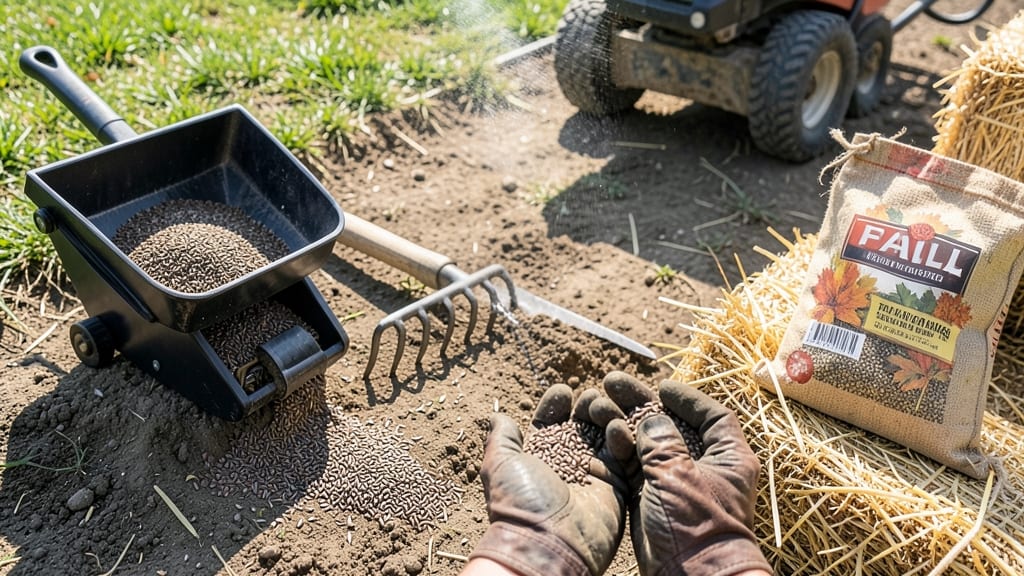
Autumn grass seed planting gives you a head start on a thick, weed-resistant lawn before winter sets in—no spring rush required. 🌱 I learned the hard way that fall’s cooler temps and steady rains create the perfect conditions for grass roots to establish deep before dormancy, while summer heat would’ve fried my efforts.
The secret isn’t just timing—it’s matching your seed choice to your climate. Cool-season grasses like Kentucky bluegrass or fescue thrive when soil temps drop to 60-75°F, while warm-season grasses like Bermuda need a late-summer start. Most regions see 6-8 weeks of ideal germination before frost, so act now.
You’ll end up with a lawn that stays green longer into fall, crowds out weeds naturally, and handles next spring’s growth spurt with ease. The key is keeping soil moist but not soggy—think of it as giving your grass a cozy blanket for winter.
Works for both sunny backyards and shady patches, though shade mixes need extra nitrogen. Here’s how to make it happen without the common mistakes that leave bare spots."
📚 In This Guide
- What you need
- Instructions
- Tips and common mistakes
- Wrapping up and next steps
What you need
- ● Grass seed: Choose a cool-season variety (e.g., Kentucky Bluegrass, Tall Fescue, or Perennial Ryegrass). Aim for 5–10 lbs per 500 sq ft, depending on your desired thickness and soil quality.
- ● Lawn soil or topsoil: ¼–½ inch layer (about 1–2 cubic yards per 1,000 sq ft) to improve seed-to-soil contact.
- ● Rake: A garden rake with fine teeth to loosen soil and level the area.
- ● Broadcast spreader: For even seed distribution (manual or wheel-type for larger areas).
- ● Water source: A hose with a gentle spray nozzle or a watering can for light, frequent hydration.
- ● Lawn fertilizer: A slow-release, high-nitrogen blend (e.g., 20-0-5 or 30-0-4) at ½ lb per 100 sq ft.
- ● Soil test kit: To check pH (ideal range: 6.0–7.0) and adjust with lime or sulfur if needed.
- ● Starter fertilizer: Contains phosphorus to boost root growth (apply 1–2 weeks before seeding).
- ● Erosion control blanket: For slopes or bare spots to hold seed in place until germination.
- ● Lawn roller: Lightweight (50–100 lbs) to press seed into soil (use sparingly—overdoing it can bury seeds too deep!).
- ● Mulch (straw or peat moss): Thin layer (¼ inch) to retain moisture and protect seedlings.
Step-by-step instructions for planting grass seed in autumn
Here’s how to grow a lush, weed-resistant lawn this fall—before winter slows things down.
🌱 Step 1: Prepare the Soil for Optimal Seed Contact
Start by mowing the lawn as short as possible, then remove all debris with a rake. This ensures the grass seed makes direct contact with the soil, which is critical for germination. I like to use a stiff-bristled rake to create a fine, loose texture—think "sandy" rather than "clumpy." If your soil feels hard or compacted, aerate first with a core aerator to create small holes for seeds to settle into.
Test the soil pH if you haven’t already—most cool-season grasses thrive in a range of 6.0 to 7.0. If your soil is too acidic, add lime according to package instructions. Work it into the top 2 inches of soil, then let it sit for a few days before planting. This step prevents future weed invasions by giving your grass a strong start.
💧 Step 2: Spread Seed Evenly for Uniform Germination
Divide your grass seed into two equal portions—this prevents clumping and ensures even coverage. Walk in a crisscross pattern (first north-south, then east-west) to avoid missed spots. For a 4,000 sq ft lawn, you’ll need about 8-12 lbs of seed (check the bag for exact rates). Lightly press the seed into the soil with a lawn roller or the back of a rake—just enough to cover it with ¼ inch of soil—or it’ll blow away.
Don’t skip this light covering step. Seeds need darkness to germinate, but too much soil will smother them. Water gently right after planting to settle the seed into the soil. You’ll see the first signs of growth in 7-14 days, depending on temperature—cooler fall days slow things down, but consistent moisture keeps them coming.
☀️ Step 3: Water Deeply and Consistently for Strong Roots
Keep the soil evenly moist for the first 2-3 weeks—that’s the critical window for seedling establishment. Water lightly 2-3 times daily (about ¼ inch per session) rather than soaking once. You’ll know it’s right when the top ½ inch of soil stays damp but not soggy. Overwatering washes away seeds, while underwatering leaves them dry and brittle.
Once seedlings reach 2-3 inches tall, gradually reduce watering to 1 inch per week. This encourages deep root growth, which is key for a lawn that survives drought and weeds. Avoid walking on the new grass until it’s mowed 2-3 times—that’s when the roots are strong enough to handle foot traffic.
✂️ Step 4: Maintain and Protect New Growth
Wait to mow until the grass reaches 3-4 inches tall, then cut it to 2.5-3 inches—never remove more than ⅓ of the blade height at once. This keeps the lawn dense and competitive against weeds. Use a sharp mower blade to avoid tearing grass, which invites disease. I set my mower to its highest setting the first few times to avoid scalping the tender new growth.
Apply a light layer of mulch (like straw) if your area gets windy—it holds moisture and protects seeds from drying out. Avoid fertilizing until after the first mowing; new seedlings don’t need extra nutrients yet. Instead, focus on keeping the soil moist and the area free of foot traffic until the grass is well-established.
⏰ Step 5: Time Your Planting for Frost
Plant 4-6 weeks before your first frost date—this gives seeds time to germinate, grow roots, and establish before winter slows everything down. In most regions, that’s mid-September to early October. If you’re in a warm climate, aim for late October to November when temperatures dip but don’t freeze. Cool nights and warm days create perfect conditions for grass growth without stressing the seedlings.
Stop planting 6 weeks before frost—seeds won’t germinate in cold soil, and new growth won’t survive winter. If you miss the window, wait until spring. But if you time it right, your lawn will fill in thickly before weeds get a chance to take hold, giving you a head start next season.
Tips & tricks for planting grass seed in autumn
Here's what nobody tells you about getting that perfect fall lawn—these little details make all the difference between patchy growth and a thick, weed-resistant carpet.
Soil Prep is Everything: After mowing short and raking debris, take an extra 10 minutes to run a stiff-bristled rake over the soil in opposite directions. This breaks up any remaining clumps and creates tiny air pockets that help seeds make contact with moisture. I've seen seeds fail to germinate just because they got trapped in compacted soil—don't let that be you. For really tough soil, rent a core aerator for just a few hours; those little holes create perfect seed beds.
Timing Secret: The 7-14 day germination window mentioned in Step 2 can actually stretch to 21 days if temperatures dip below 60°F at night. Set a reminder to check your lawn every 3-4 days during this period—you might spot tiny sprouts before you expect them. If you don't see any growth after 3 weeks, lightly scratch the soil surface to see if seeds were properly covered. Too much soil blocks light needed for germination.
Watering Wisdom: Those 2-3 weeks of frequent watering in Step 3 are non-negotiable, but here's the trick: use a sprinkler with a fine mist setting or water in the early morning. This prevents evaporation and gives seeds time to absorb moisture before afternoon heat dries the surface. I've ruined entire sections of new lawns by watering in the evening—fungus loves that damp, cool environment. A simple rain gauge helps track your ¼-inch sessions without guessing.
Mulch Matters: When you apply that light straw layer in Step 4, don't just dump it randomly. Spread it evenly—about ¼ inch thick—over the entire seeded area. This isn't just about moisture retention; it also protects young shoots from wind damage and provides a tiny bit of shade during hot fall afternoons. If your area gets particularly windy, consider using a biodegradable netting instead for extra protection.
Pro Tips for Planting Grass Seed In Autumn
- Here's what nobody tells you about getting that perfect fall lawn—these little details make all the difference betwee...
- Soil Prep is Everything: After mowing short and raking debris, take an extra 10 minutes to run a stiff-bristled rake ...
- Timing Secret: The 7-14 day germination window mentioned in Step 2 can actually stretch to 21 days if temperatures di...
Frequently asked questions
Got questions about autumn grass seeding? You’re in the right place! Here are answers to the most common concerns—so you can tackle your project with confidence.
When is the exact best time to plant grass seed in autumn?
For most regions, aim for 4–6 weeks before your first hard frost (typically late September to early November). Cool evenings (50–65°F) and warm days (60–75°F) create ideal germination conditions. Check your local frost dates or use a soil thermometer to monitor temps—seed needs consistent warmth to sprout.
What if frost hits before my grass grows? Will it survive?
Don’t panic! Grass seed can germinate in cool weather, but a light frost (<32°F) won’t kill it—just slow growth. If temps drop <20°F, cover newly seeded areas with straw (2–3 inches) for insulation. Most cool-season grasses (like fescue or ryegrass) handle light frost well; warm-season grasses (like Bermuda) need warmer soil to establish.
Is autumn seeding cheaper than spring? What’s the catch?
Yes! Seed and fertilizer costs are often lower in autumn, and weed competition is minimal (weeds slow down in cool weather). The catch? You’ll need to water diligently (1–1.5 inches/day) until roots establish—skipping this step can lead to dry, patchy lawns. Plus, autumn seeding requires proper timing (see above) to avoid winter dormancy.
Can I overseed an existing lawn, or do I need to start from scratch?
Overseeding is perfect for autumn! Lightly rake or dethatch thin areas, then spread seed evenly. For thick turf, use a slit seeder or core aerator to create small furrows for seed-to-soil contact. Just avoid overseeding if your lawn has moss or broadleaf weeds—treat those first with a pre-emergent or spot spray.
Why do I see bugs after planting? Are they harmful?
Autumn brings out grubs, ants, and chinch bugs, but most are harmless unless they’re chewing roots. If you spot large numbers, apply a grub-specific insecticide (like imidacloprid) before seeding or use beneficial nematodes for organic control. Healthy grass with deep roots resists pests better—so focus on watering and fertilizing first!
What if my grass doesn’t grow by winter? Do I have to replant in spring?
Not necessarily! Grass seed can linger dormant in the soil until spring—just keep the area lightly moist (not soggy) and mulch with straw to protect it. If you see green shoots in spring, they’ll likely fill in. For faster results, reseeding bare spots in early spring (March–April) works too, but autumn planting gives you a head start on a thicker lawn.
Wrapping up and next steps
Autumn is the perfect time to transform your lawn into a lush, weed-resistant masterpiece—and you’ve got this! 🌱 By choosing the right seed, prepping your soil, and staying patient, you’ll enjoy a thick, vibrant lawn come spring. Don’t wait for winter—roll up your sleeves and start planting today!
Ready to take the next step? Grab your tools, check the weather, and schedule your planting session before the first frost! Your future lawn will thank you.