
Plants
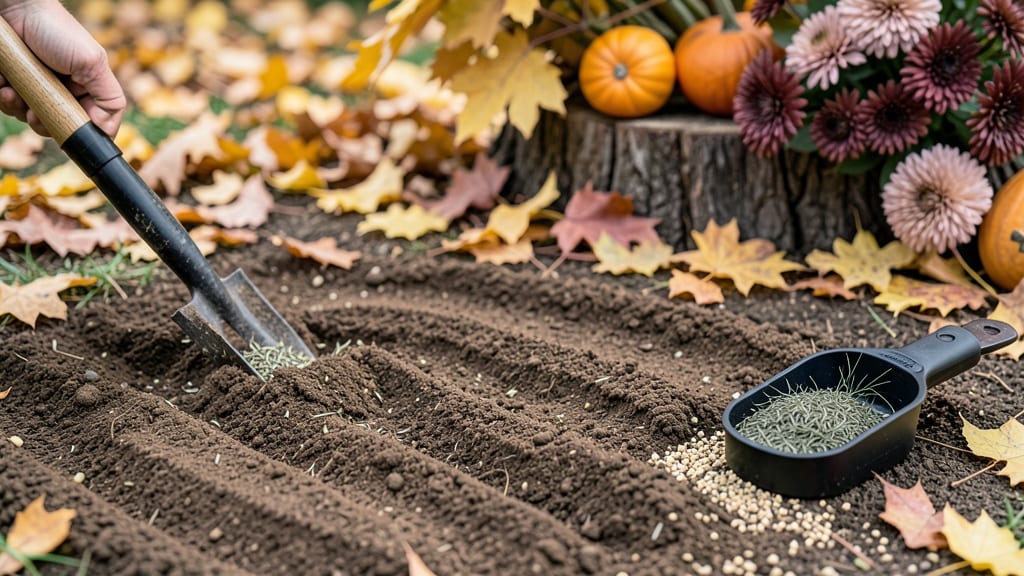
Planting Grass Seed (Turfgrass) in the fall is your best shot at a thick, resilient lawn—just don’t wait too late.
Fall is the ideal time to plant Grass Seed (Turfgrass) 🌱—if you time it right, you’ll get a lush lawn before winter sets in. But planting too early or too late can leave your seeds vulnerable to frost, weeds, or poor germination.
Here’s how to pinpoint the perfect window for your climate zone.
Most experts agree that the 4-6 weeks before your first frost is the magic window. In Zone 6a, that means aiming for mid-September to early October. Too soon, and you risk weeds stealing the show; too late, and frost can kill tender seedlings before they take root.
Below, I’ll break down the exact timing for your zone, how to prep your soil, and the 3 key signs your lawn is ready to thrive—without guessing. Let’s get started.
Fall grass seed planting timeline by USDA hardiness Zones
Timing is everything when planting grass seed in the fall. The 4-6 weeks before your first frost date gives seeds time to germinate and develop strong roots before winter dormancy.
But if you plant too early, weeds will outcompete your grass, and if you wait too late, frost will kill tender seedlings. Your USDA hardiness zone determines the exact window—let’s break it down by region.
For example, in Zone 4, where winters are harsh, you’ll want to plant by mid-September to avoid early frosts. Meanwhile, in Zone 10, with mild winters, you can seed until late November.
The key is soil temperatures between 60°F and 75°F, which encourages germination without stressing young plants.
Pro Tip: Check your local first frost date (available via USDA Plant Hardiness Zone Map) and count backward 4-6 weeks. This ensures your grass establishes before cold sets in. For instance, if frost hits October 15th, aim to plant by September 1st.
| Zone | Ideal Planting Window | Soil Temp Range (°F) | Last Planting Deadline | Key Risk |
|---|---|---|---|---|
| 4-5 | Late August to mid-September | 60-70°F | September 15th | Early frost |
| 6-7 | Mid-August to early October | 65-75°F | October 10th | Weed competition |
| 8-9 | Late August to mid-November | 60-75°F | November 15th | Overwatering |
| 10 | September to late November | 60-70°F | December 1st | Pests (chinch bugs) |
In Zones 4-5, where winters are brutal, focus on cool-season grasses like Kentucky bluegrass or tall fescue. These varieties thrive in cooler temps and establish roots quickly. Planting by mid-September ensures they’re 2-3 inches tall before frost hits, giving them a head start in spring.
For Zones 6-7, you’ve got a bit more flexibility. Warm-season grasses like Bermuda or Zoysia can be seeded in late summer, but cool-season grasses like ryegrass do best in September-October. The goal is to avoid summer heat stress while still allowing time for root growth.
If you’re in Zones 8-10, where winters are mild, you can extend seeding into November. However, avoid planting when nighttime temps drop below 50°F, as this can stunt germination. St. Augustine or Centipede grass are great choices here—they handle warmer climates and slower establishment.
One critical mistake is planting when soil temps exceed 80°F, even in fall. This causes seeds to dormant prematurely or attract pests. Use a soil thermometer ($10 at garden centers) to confirm temps are in the 60-75°F range before seeding.
Finally, always water deeply after planting to encourage root growth. Aim for 1/2 inch of water per week, delivered in the morning to prevent fungal issues. With the right timing, your fall-planted grass will outcompete weeds and give you a thicker lawn by spring.
Don’t let frost catch you off guard—plan ahead, check your zone, and seed when the stars (and soil temps) align! 🌱
Signs your fall grass seed planting timing is perfect (or too late)
Timing your fall grass seed planting correctly means the difference between a thick, green lawn and wasted seeds. The ideal window is when daylight hours shorten but soil stays warm—typically 4-6 weeks before your first frost.
This balance lets seeds germinate while giving roots time to establish before winter dormancy.
First, check your local frost dates (USDA Zone 5-8: aim for mid-September to early October). Then, monitor soil temperature—it should stay above 50°F (10°C) during the day and not drop below 40°F (4°C) at night. Use a soil thermometer for accuracy.
⚠️ WARNING: Common Mistakes That Ruin Your Lawn ⚠️
Planting Too Early
Seeds planted in hot summer heat (above 85°F/29°C) dry out before germinating. Weeds also outcompete tender seedlings. Sign: Patchy germination or no growth after 2 weeks.
Planting Too Late
If nights dip below 40°F (4°C) before roots establish, seeds won’t germinate. Sign: Frost kills seedlings within days of planting.
Ignoring Daylight Hours
Grass needs 6-8 hours of daylight to grow. Planting when days drop below 10 hours slows germination. Sign: Slow or uneven sprouting.
Next, verify weather forecasts for the next 2 weeks. Look for:
- No hard frosts (below 28°F/-2°C) in the forecast.
- Consistent rainfall (or your ability to water daily).
- Mild nights (above 45°F/7°C) to prevent seed dormancy.
If your timing slips—say, you planted in late October—don’t panic. Cover seeds with straw mulch (¼ inch thick) to insulate them and water lightly to prevent drying. This buys 2-3 weeks before frost sets in permanently.
Finally, test your lawn’s readiness by pressing your finger into the soil. If it feels cool but not cold (like a chilled drink) and smells earthy—not musty—your timing is perfect. Pro tip: Plant when mums bloom in your area; this signals ideal conditions for most regions.
With these checks, your fall grass seed will germinate in 7-21 days and establish roots before winter’s chill. A little patience now means a thicker lawn next spring—no guesswork needed! 🌱