
Planting
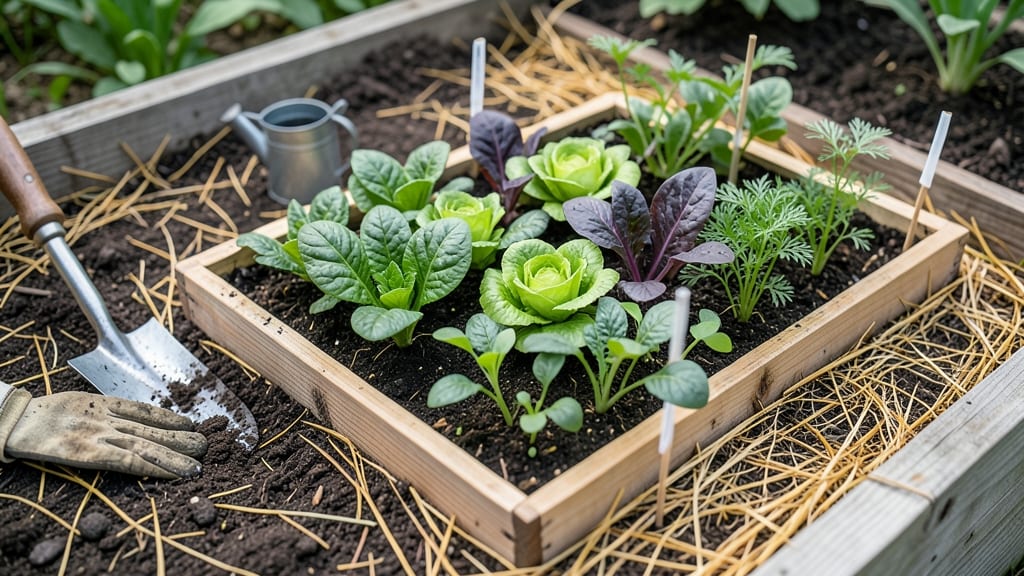
Seeding in the fall is the best time to get a jump on spring harvests 🥬, but nailing the window keeps your plants from bolting or freezing before they root.
Picture this: you’ve prepped the soil, sown your seeds, and then—crickets—the first frost hits, and your seedlings never make it past the seedling stage. That’s why knowing the exact timing matters, especially in Zone 6a where frost can sneak up fast.
Too early, and your greens bolt before winter; too late, and roots won’t establish before the ground freezes. I’ll break down the zone-specific deadlines that let you seed just 4-6 weeks before frost—plus the crops that thrive (and the ones to skip) in fall.
By the end, you’ll know exactly when to plant for strong roots, how to adjust for your local frost date, and the 3 mistakes that sabotage even the best-laid plans.


Fall seeding deadlines by USDA hardiness Zone: when to plant for winter survival
Fall seeding is my favorite way to extend the growing season, but getting the timing right means the difference between a thriving winter crop and a frozen failure. The key is calculating 60-90 days to maturity for your cool-season crops while accounting for your first frost date.
For example, in Zone 5, where first frost hits around October 15, I plant fast growers like radishes (30 days) by September 15, while slower Brussels sprouts (90 days) need to be in by July 15 for a fall harvest.
Your USDA hardiness zone determines your planting window, but local microclimates can shift deadlines by 2-4 weeks. For instance, a south-facing bed stays warmer longer, giving you an extra 10-14 days to seed.
Always check your average first frost date—not the earliest possible frost—because early cold snaps are outliers. I use the Old Farmer’s Almanac or my local Cooperative Extension Service for precise dates.
Here’s the golden rule: Seed 4-6 weeks before your first frost for crops that tolerate light frost, like spinach and kale. For frost-sensitive plants such as lettuce or beets, aim for 8-10 weeks out.
In Zones 7-10, where winters are mild, you can even seed into November for crops like broccoli raab or collard greens, which thrive in cool weather.
In Zones 3-4, where winters are harsh, I focus on fast-maturing crops like radishes (25 days) or arugula (30 days) seeded by mid-July. These give me a harvest before the ground freezes, even if it’s just a few weeks.
For slower growers like Brussels sprouts (90 days), I start seeds indoors in May and transplant by June 15 to ensure they’re established before September’s cooling trend.
Soil temperature is just as critical as air temperature. Most cool-season crops need soil temps between 40°F and 75°F to germinate. In Zones 5-6, I test soil temps with a soil thermometer—if it’s below 50°F, I wait or use row covers to warm the soil.
Pro tip: Black plastic mulch can raise soil temps by 5-10°F, extending your seeding window by 1-2 weeks.
Adjust for early vs. late frost years by planting a succession crop every 2 weeks in Zones 7-10. For example, in Zone 8, I seed lettuce on September 1st, 15th, and 30th to stagger harvests through December. This strategy works because lettuce matures
5 Signs your fall seeding timing is perfect (and 3 mistakes to avoid)
Fall seeding is my favorite way to sneak in a head start on spring harvests, but getting the timing right is like catching a fleeting breeze—too early, and your seedlings race toward bolting; too late, and winter steals their chance to root deep.
The key lies in reading your garden’s signals and aligning them with soil temperature, moon phases, and local frost dates. I’ve learned that even a week can make the difference between thriving seedlings and sad, stunted plants.
Don’t worry—you don’t need a PhD in astronomy or meteorology. Instead, watch for these five clear signs that your garden is ready for fall seeding, plus the three common mistakes that trip up even experienced gardeners.
These clues will help you plant with confidence, whether you’re sowing spinach in Zone 5 or carrots in Zone 8.
- 1
- 2
- 3
- 4
- 5
Once you’ve spotted these signs, it’s time to act—but even the best-laid plans can go awry. One of the biggest mistakes I see is planting warm-season seeds like tomatoes or cucumbers in fall.
These need heat to germinate and grow, and they’ll just sit there, stubborn and confused, while your cool-season crops thrive. Another common error is overcrowding seedlings to save space, which leads to weak, leggy plants competing for sunlight and nutrients.
After seeding, focus on root development by keeping the soil consistently moist (not soggy) and mulching with straw to insulate roots. I’ve found that a light layer of mulch also deters weeds and retains moisture—critical in fall’s unpredictable weather.
Avoid fertilizing heavily at this stage; young roots need time to establish before they can handle extra nutrients.
Finally, resist the urge to rush. If you’re in a warmer zone (Zones 8-10), you might have a longer window, but even then, aim to plant 8-10 weeks before your first frost.
In cooler zones (Zones 3-6), push it to 4-6 weeks out to give seedlings time to mature before winter sets in. Trust your garden’s cues, and soon you’ll be harvesting hearty greens straight from your fall-planted beds.
With the right timing, your fall-seeded garden will reward you with vigorous growth and early harvests—proof that patience and attention to detail pay off in the soil. Happy planting! 🌱