
Plants
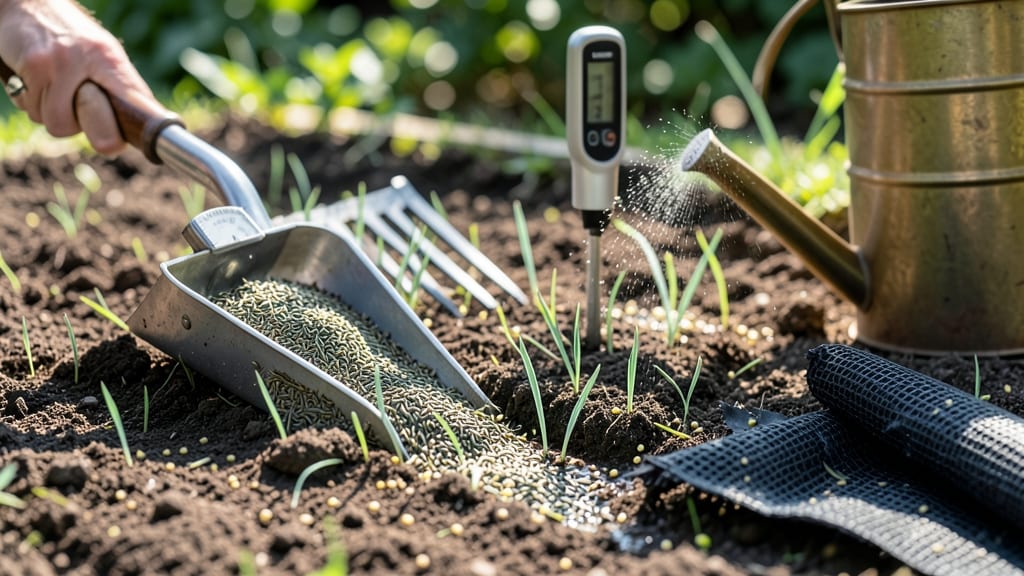
Planting new grass seed in spring is all about timing—wait until soil temperatures hit 55°F (13°C) and the last frost has passed, or risk wasting your seed.
Too early and frost zaps tender sprouts before they take root. Too late and summer heat dries them out before germination. The 4-6 week window before your last frost is your sweet spot for a thick, green lawn by summer.
In USDA Zone 6a, that means aiming for early April—just in time to catch spring rains. But regional differences matter: Southern climates can plant earlier, while Northern zones may need to wait until May.
Below, I’ll break down the exact soil temps to watch for, how to prep your yard for success, and the one mistake that kills more grass seed than anything else.
Optimal spring planting dates by US hardiness zones for grass seed germination
Getting your grass seed in the ground at the right time is critical for germination success. In spring, the USDA hardiness zones dictate when to plant—too early and frost will kill tender sprouts, too late and summer heat can stress seedlings.
The ideal soil temperature for germination is between 50°F to 75°F, depending on your grass type.
Cool-season grasses like Kentucky bluegrass and fescue thrive when planted in early spring (March-April), while warm-season grasses such as Bermuda and Zoysia prefer late spring (May-June). Your USDA zone helps narrow down the perfect window for your region.
| USDA Zone | Best Planting Window | Soil Temp Threshold | Grass Type | Key Consideration |
|---|---|---|---|---|
| Zones 3-4 | Mid-April to early May | 50-60°F | Cool-season (Tall fescue) | Avoid late frost risks |
| Zones 5-6 | Late March to early April | 55-65°F | Cool-season (Kentucky bluegrass) | Balanced frost and heat |
| Zones 7-8 | Early April to mid-May | 60-70°F | Cool-season (Ryegrass) or Warm-season (Bermuda) | Transition zone flexibility |
| Zones 9-10 | Late April to June | 65-75°F | Warm-season (Zoysia, St. Augustine) | Avoid summer drought stress |
In Northern zones (3-6), focus on planting cool-season grasses as soon as the soil warms to 50°F. This gives seedlings time to establish before summer heat arrives. For example, in Zone 5, aim for late March to early April—just after the last frost date.
Southern zones (7-10) offer more flexibility. You can plant warm-season grasses as late as June, but early spring planting (April-May) is ideal for cool-season varieties that need winter dormancy. In Zone 9, for instance, Bermuda grass thrives when planted in late spring to avoid summer dormancy.
Always check your local frost dates and monitor soil temperature with a thermometer. A 50°F soil is the minimum for cool-season grasses, while warm-season types need 65°F+.
Planting too early in warm zones risks fungal diseases from excess moisture, while late planting in cool zones may lead to weak root systems before winter.
For transition zones (7-8), you can plant cool-season grasses in early spring and warm-season varieties in late spring. This two-step approach ensures year-round green coverage. For example, in Zone 7, plant Tall fescue in April and Zoysia in June.
Pro tip: Use a soil thermometer to confirm temperatures before planting. If your soil is still below 50°F, wait a few weeks—patience now prevents future headaches. Overwatering or planting too deep can also stall germination, so follow seed package instructions closely.
Remember, spring planting is a race against time. The goal is to give your grass seed 6-8 weeks of ideal growing conditions before summer heat or winter frost sets in. With the right timing, you’ll enjoy a thick, vibrant lawn all season long.
How to prepare your soil and choose grass seed for spring planting success
Spring is the perfect time to transform your lawn, but success starts long before you scatter that first handful of grass seed. The right soil preparation and seed selection can mean the difference between a patchy lawn and a lush, green carpet.
I’ve learned that soil temperature and pH balance are just as critical as the seed type you choose—especially when dealing with spring’s unpredictable weather.
Before you even think about planting, your soil needs to be loose, nutrient-rich, and free of debris. Start by testing your soil pH—most grasses thrive in a range of 6.0 to 7.0.
If your soil is too acidic or alkaline, amend it with lime (to raise pH) or sulfur (to lower it). I’ve found that tilling the soil 4-6 inches deep helps break up compacted layers, allowing roots to penetrate easily. This step is non-negotiable for new grass seed to establish properly.
Now, let’s talk grass seed selection. Your choice depends on your climate and lawn needs. Cool-season grasses like Kentucky bluegrass and fescue are ideal for northern regions, while warm-season grasses such as Bermuda and Zoysia suit southern climates.
I always recommend checking the seed packet for germination rates—aim for at least 85% to ensure strong growth. Mixing seed varieties can also improve resilience against disease and drought.
🌱 Spring Grass Seed Planting Checklist
- Test soil pH (aim for 6.0-7.0) and amend if needed
- Till soil 4-6 inches deep to loosen compacted layers
- Choose seed type based on climate (cool-season vs. warm-season)
- Apply starter fertilizer (10-10-10 NPK ratio) before planting
- Water deeply before and after planting (1/2 inch per week)
- Cover seeds lightly with 1/4 inch of soil or straw mulch
Don’t skip the starter fertilizer—it provides essential nutrients during the critical germination phase. I use a balanced 10-10-10 NPK fertilizer before planting to give new seedlings a strong start.
After scattering the seed, lightly rake it into the soil (no deeper than 1/4 inch) to ensure good soil contact. This small step dramatically improves germination rates by keeping seeds moist and protected.
Moisture management is where many gardeners trip up. New grass seed needs consistent moisture to germinate, but overwatering can wash seeds away or cause rot. I’ve found that watering twice daily for the first week—early morning and late afternoon—keeps the soil evenly moist without drowning the seeds.
Once sprouts appear, you can taper off to 1/2 inch of water per week, delivered deeply to encourage deep root growth.
Finally, be patient. Grass seed takes 14-21 days to germinate, depending on soil temperature and moisture. During this time, keep foot traffic off the area and monitor for weeds. If you see thin patches after germination, spot-treat with a pre-emergent herbicide or reseeds those areas.
With the right prep, your spring planting will reward you with a lawn that’s the envy of the neighborhood.