
Plants
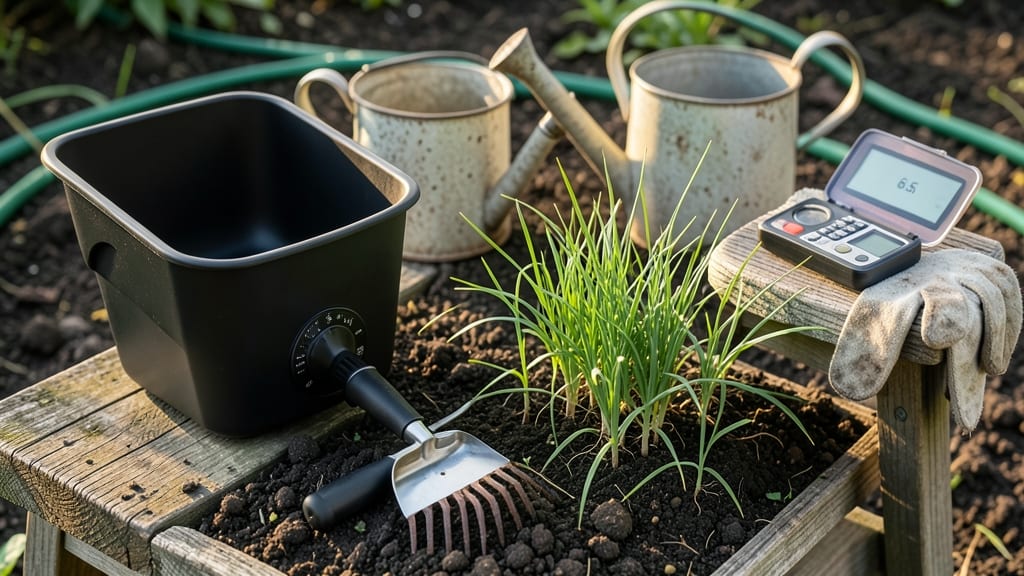
Planting grass seed in the spring during the 4-6 weeks before your last frost is the key to a thick, weed-resistant lawn that takes hold without struggle.
Timing your grass seed planting in spring can mean the difference between a lush, weed-resistant lawn and a patchy, struggling yard—here’s the exact window to aim for.
In USDA Zone 6a, that window typically opens in early March and closes by mid-April, but soil temperature and local climate play just as big a role as the calendar.
Below, I’ll break down the ideal planting window by region, how to prep your soil for success, and the 3 common mistakes that turn promising starts into disappointing results.
The ideal 4-Week spring window for planting grass seed
Nailing the spring planting window for grass seed is about more than just picking a month—it’s about soil temperatures, grass type, and even your local climate zone.
Plant too early, and cold soil will delay germination. Too late, and summer heat can stress young seedlings. The 4-week window I recommend balances these factors for the best results.
Most cool-season grasses (like Kentucky Bluegrass and Fescue) thrive when planted 4-6 weeks before your last frost date. For warm-season grasses (such as Bermuda or Zoysia), aim for 2-4 weeks after the last frost when soil temps hit 65°F+.
Your USDA zone and local weather patterns will tweak this timing.
Here’s the golden rule: Wait until soil temperatures are consistently 55°F-65°F for cool-season grasses or 65°F-75°F for warm-season types. Use a soil thermometer to check—this tool is a game-changer for avoiding guesswork.
| Grass Type | Ideal Planting Window | Soil Temp Threshold | Regional Adjustments |
|---|---|---|---|
| Cool-Season (Kentucky Bluegrass, Fescue, Ryegrass) | 4-6 weeks before last frost | 55°F-65°F | Northern zones (3-5): Plant in March-April |
| Warm-Season (Bermuda, Zoysia, St. Augustine) | 2-4 weeks after last frost | 65°F-75°F | Southern zones (7-10): Plant in May-June |
| Transition Zones (6-7) | Early spring (March) or late summer (August) | 50°F-60°F (spring) or 70°F+ (fall) | Avoid peak summer heat; opt for fall planting if possible |
If you’re in a transition zone (like USDA Zone 6-7), you’ve got flexibility. Plant cool-season grasses in early spring (March) or warm-season types in late summer (August).
This avoids the brutal mid-summer heat that can stress seedlings. For example, Tall Fescue does well in spring, while Centipede Grass waits for summer’s warmth.
Don’t ignore weed suppression—this is where timing matters most. Planting too late in spring means weeds like crabgrass will outcompete your grass for nutrients and sunlight. A pre-emergent herbicide applied 2-4 weeks before planting can help, but it won’t work if seeds are already sprouting.
For northern climates, aim to finish planting by mid-April to give grass 6-8 weeks to establish before summer dormancy. In southern regions, delay until late May to avoid early-season drought stress. Always check your local weather forecast for 10-day temperature trends—this is your best predictor of success.
Pro tip: If your spring is unusually wet, delay planting until the soil dries enough to work. Compacted, waterlogged soil smothers seeds and prevents proper root development. A simple soil moisture test (grab a handful—if it clumps, wait a few days) saves you from wasted seed.
Once you’ve nailed the timing, watering consistency becomes your next priority. Keep the soil evenly moist (not soggy) for the first 3-4 weeks to encourage deep root growth. A light morning watering (about ¼ inch) daily is ideal—this mimics natural rainfall without promoting fungal diseases.
Remember, the 4-week window isn’t rigid—it’s a flexible guideline. Adjust based on your local microclimate, whether you’re in a shady spot (cool-season grasses thrive here) or a full-sun area (warm-season types dominate). With the right timing, you’ll see thick, weed-resistant growth by summer.
How to prepare your lawn for spring grass seed planting
Spring is the perfect time to refresh your lawn, but proper preparation is the key to successful grass seed germination. Without the right soil prep and weed control, your new seeds will struggle against existing weeds and compacted soil.
I’ve learned the hard way—skipping these steps leads to patchy growth and wasted seed. Let’s fix that by preparing your lawn the right way.
Before you even think about spreading grass seed, focus on three critical areas: soil testing and amendment, weed elimination, and surface leveling. Each step builds on the last to create an ideal environment for your seeds.
Think of it like laying a foundation for a house—if it’s weak, everything else will fail. Let’s tackle this systematically.
Step-by-Step Lawn Prep for Spring Grass Seed
-
Test Your Soil
Use a soil test kit to check pH (ideal: 6.0-7.0) and nutrient levels. Amend with lime or sulfur if needed. -
Remove All Debris
Rake out rocks, sticks, and dead grass to create a clean seedbed. Pay extra attention to thatch layers over ½ inch thick. -
Kill Weeds
Apply a pre-emergent herbicide 2 weeks before planting or use vinegar-based spray for organic control. Let dry completely. -
Aerate the Soil
Rent a core aerator to create ¼-inch holes every 2-3 inches. This loosens compacted soil for better root penetration. -
Level the Surface
Use a lawn roller or rake to smooth out low spots and fill depressions. Aim for a slight slope (1/4 inch per foot) for drainage. -
Add Compost or Fertilizer
Spread a ½-inch layer of compost or starter fertilizer (high in phosphorus) to nourish new roots. Lightly rake it in.
One of the biggest mistakes I see is rushing the prep work. For example, many gardeners skip aeration and wonder why their seeds struggle to sprout. Aeration alone can improve germination rates by 30% by breaking up compacted soil.
Don’t skip it—your future lawn will thank you. After prepping, water the area lightly to settle the soil before seeding.
If you’re dealing with persistent weeds, consider a second round of herbicide application 10 days before planting. This gives you time to kill weeds without harming your new grass.
For organic options, try corn gluten meal, which also acts as a natural pre-emergent. Just remember, timing is everything—apply it 4-6 weeks before seeding.
Finally, don’t forget to mow your existing grass short (about 1-2 inches) before seeding. This helps new seeds reach the soil and establishes better contact. Once your lawn is prepped, you’re ready to spread your grass seed with confidence.
The key now is to keep the soil moist for the first 2-3 weeks—consistent watering is non-negotiable for germination.
With these steps, you’ll create the perfect canvas for your new grass to thrive. A well-prepped lawn means fewer weeds, faster growth, and a thicker, greener yard by summer. Happy planting!