
Planting
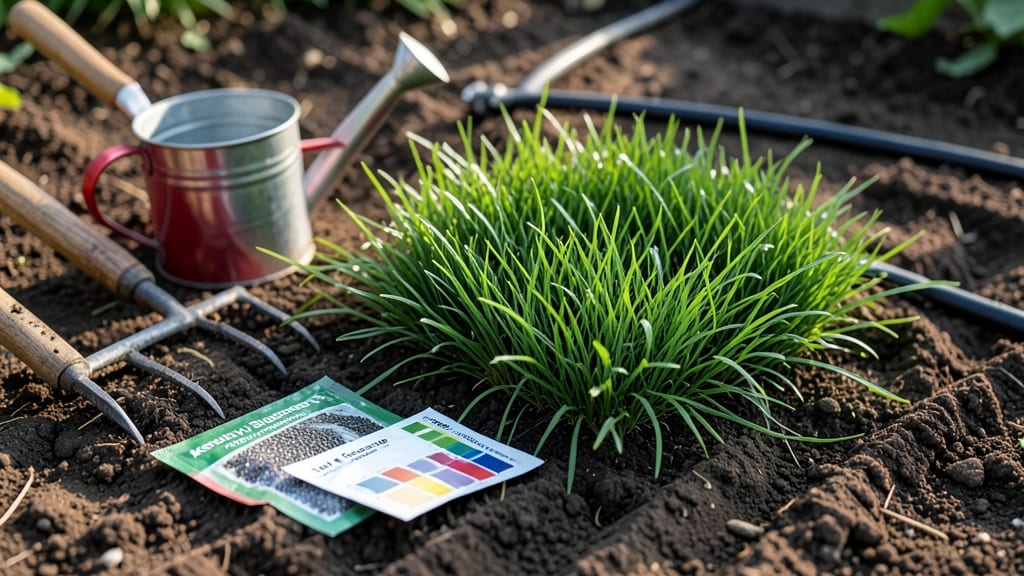
Planting grass seed in Southern California at the wrong time can turn your green dreams into a brown, patchy mess—especially when summer heat or winter rains ruin your efforts before they even start.
Struggling to get lush, green grass in Southern California? Planting grass seed at the wrong time can mean wasted effort—and money—as extreme heat or unpredictable rains derail your lawn dreams.
Fall is your best shot at success, with a 6-week window (September–October) when soil stays cool and rainfall is reliable. But coastal areas and inland deserts play by slightly different rules.
Here’s how to time it perfectly, pick the right grass type for your microclimate, and avoid the 3 biggest mistakes that kill Southern California lawns before they even take root.


Southern California’s ideal grass planting window: why fall dominates (and how to time it perfectly)
If you’ve ever planted grass seed in Southern California during the scorching summer months, you know the struggle: seeds bake in the sun, roots struggle to establish, and your hard-earned investment turns into a sad, patchy lawn.
The secret? Timing is everything. Fall isn’t just the best time—it’s the only time—when conditions align perfectly for grass seed germination and root growth in our unique climate.
Southern California’s 6-week fall planting window (roughly mid-September through October) offers the ideal balance of cool soil temperatures (between 60–75°F), moderate rainfall, and lower evaporation rates.
This window ensures seeds stay moist long enough to sprout while avoiding the heat stress of summer or the unpredictable rains of winter. But here’s the catch: your microclimate (coastal vs. inland) can shift your perfect planting date by 2–4 weeks.
Let’s break down the ideal fall planting window, how to align with Southern California’s rainfall patterns, and how to adjust your timing based on whether you’re near the coast or inland. Spoiler: coastal areas have a longer window than inland desert regions.
| Region | Best Planting Window | Soil Temp Range | Rainfall Alignment | Key Adjustment |
|---|---|---|---|---|
| Coastal (LA, San Diego) | Late September–Mid October | 65–75°F | October–November rains | Plant after first coastal rains (usually late Sept) |
| Inland (San Fernando Valley, Riverside) | Mid-September–Early October | 60–70°F | Sporadic early rains | Use drip irrigation if no rain predicted |
| Desert (Palm Springs, Joshua Tree) | Early September–Mid October | 55–65°F | Minimal rainfall; rely on irrigation | Plant Bermuda grass (drought-tolerant) |
| Mountainous (Big Bear, Wrightwood) | Late August–Early October | 50–60°F | Early mountain rains | Test soil 2–3x weekly for moisture |
Why does this 6-week window matter so much? When soil temperatures drop below 60°F or rise above 75°F, grass seeds struggle to germinate. In fall, daytime highs are 80–85°F, but nighttime lows dip into the 60s, creating the perfect diurnal temperature swing for seed activation.
Additionally, fall’s natural rainfall patterns reduce your need for manual watering, giving seeds the moisture they crave without over-saturation risks.
Coastal areas like Malibu or Carlsbad benefit from October rains, which can extend your planting window into early November. However, inland regions like the San Fernando Valley or Riverside experience hotter, drier falls, so you’ll need to rely on consistent irrigation (like drip systems) to keep seeds moist.
Desert areas like Palm Springs have the shortest window—plant too late, and you’ll face November frost risks (yes, they happen!).
Here’s my pro tip: Check soil temps before planting. Use a soil thermometer (they’re cheap!) to confirm your soil is in the 60–75°F range. If temps are still above 75°F in early September, wait a week or two—your seeds will thank you.
I’ve seen too many gardeners rush planting in late August only to watch their seeds dry out within days.
One common mistake? Assuming all of Southern California follows the same timeline. Microclimates rule here. For example, Santa Barbara’s coastal fog keeps soil cooler longer, while Ontario’s inland heat can push your window earlier.
Always adjust based on your specific location—check local USDA Zone maps (most of SoCal is Zone 9b–11) and talk to neighbors with established lawns for their success stories.
Finally, align your planting with rainfall forecasts. The National Weather Service provides 7-day outlooks—plan to plant 1–2 weeks before predicted rains to give seeds time to establish before the downpours. If no
Spring planting hacks for Southern California: when to break the ‘fall-only’ rule (and what to avoid)
Southern California’s fall planting season gets all the glory, but spring planting can work—if you know the tricks. While September and October remain ideal, February through early March offers a second chance for a lush lawn.
The key? Timing, soil prep, and choosing the right grass types to survive the coming heat.
Cool-season grasses like Tall Fescue and Ryegrass thrive in spring’s milder temps, while warm-season varieties like Bermuda and Zoysia can handle early planting if protected from stress. The challenge? Avoiding the May heatwave, which can fry new seedlings before they establish roots.
Before you plant, test your soil’s moisture retention and pH balance. Southern California’s spring soil can dry out quickly, so amending with compost or organic matter helps retain water. Aim for a pH of 6.0–7.0—too acidic or alkaline, and germination suffers.
⚠️ callout warning ⚠️
Planting after mid-March risks heat stress—seedlings can’t survive 85°F+ soil temps. May heatwaves (90°F+) will fry new grass before roots establish. Shade cloth (30–50%) or mulch can buy 4–6 weeks of protection, but never skip soil prep—dry, compacted soil = failed germination. Coastal areas have a 2-week grace period longer than inland zones.
For spring planting, Bermuda grass and Zoysia are your best bets—they tolerate heat better than cool-season grasses. If you’re planting Tall Fescue or Ryegrass, focus on shaded or north-facing areas to delay heat exposure. Water daily for 2–3 weeks (early morning only) to keep soil consistently moist but not soggy.
Once seedlings reach 2–3 inches tall, gradually reduce watering to 2–3 times per week. By late spring, established grass should handle Southern California’s dry spells better. Just remember: spring planting is a gamble—fall remains the safer bet for most homeowners.
Pro tip: Use a soil thermometer to monitor temps. Keep soil below 75°F for optimal germination. If temps climb above 80°F, delay planting until fall or use shade cloth to create a cooler microclimate.