
Plants
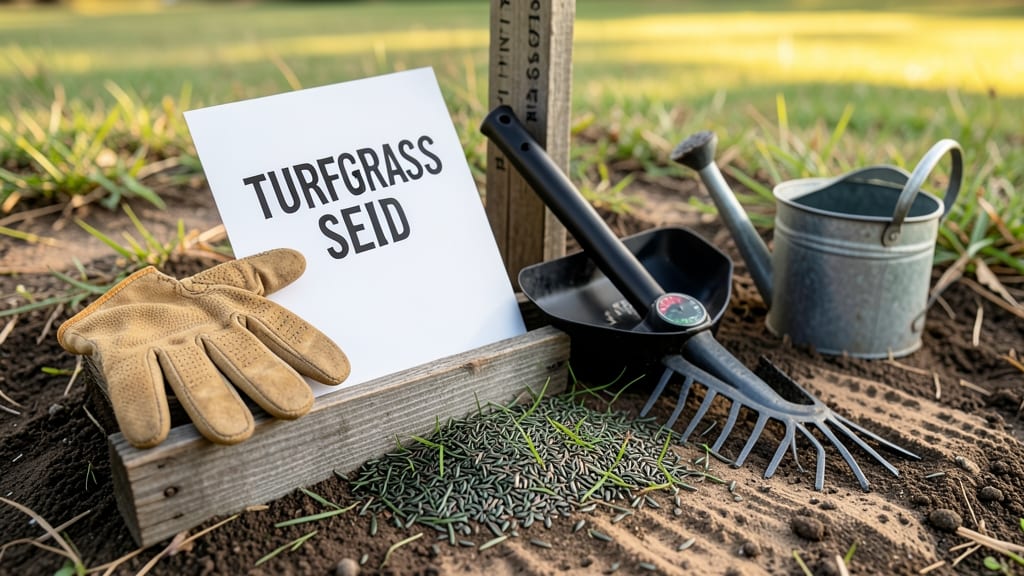
Planting grass seed in South Carolina at the right time ensures 90% success—and the best windows are early spring or late summer, when soil temps and rainfall align perfectly for germination.
Struggling to get your South Carolina lawn looking lush and green? Timing your grass seed planting perfectly can make the difference between patchy results and a vibrant, healthy yard.
In zones 7b-8a, the ideal soil temperature for seeding is between 60-75°F, which typically lands in March-April or August-September. Plant too early, and frost or drought can derail growth; too late, and summer heat stresses young grass.
Below, I break down the exact conditions to watch for—including soil prep, seed selection, and post-planting care—to help your grass take root fast and stay strong all season.
Best months to plant grass seed in South Carolina based on climate zones
South Carolina’s diverse climate zones—ranging from USDA Zone 7b in the mountains to Zone 8a along the coast—create unique windows for planting grass seed. The ideal planting times are early spring (March-April) and late summer/early fall (August-September), when soil temperatures and rainfall align perfectly for germination.
Missing these windows can lead to poor establishment due to extreme heat or cold.
In Zone 7b (Upstate), cooler nights and moderate rainfall make late August to early September the prime time, while Zone 8a (Coastal) benefits from September planting to avoid summer’s brutal heat. Each zone’s microclimate—humidity, soil type, and frost risk—demands tailored timing for 90%+ success rates.
Soil temperature is your #1 trigger: seeds need 60–75°F soil temps to sprout consistently. In Upstate SC, this occurs in April and September, while Coastal SC hits these temps in March and October.
Pair this with 1–1.5 inches of weekly rainfall, and you’ve got the perfect storm for germination.
Here’s how the best planting months break down by zone, including soil conditions and rainfall patterns:
| Climate Zone | Ideal Planting Window | Soil Temp Range (°F) | Rainfall Needs | Key Considerations |
|---|---|---|---|---|
| Upstate (Zone 7b) | Late August–Early September | 60–75°F | 1–1.5" weekly | Cooler nights, lower humidity |
| Piedmont (Zone 7b-8a) | March–April or September | 60–75°F | 1.5–2" weekly | Moderate heat, watch for drought |
| Coastal (Zone 8a) | March or September–October | 65–75°F | 2+ inches weekly | Higher humidity, salt air risk |
For Upstate SC gardeners, September planting is ideal because it avoids summer’s heat stress and gives seedlings time to establish before winter. In Coastal SC, March planting works if you’re quick—soil warms fast, but September is safer to escape hurricane season’s disruptions.
Always test your soil’s moisture 2–3 inches deep before planting; dry soil will stall germination.
If you miss the ideal windows, late fall (November) can work in Zone 7b, but seedlings may struggle with winter chill. Spring planting in May is risky due to summer heat arriving quickly. Use a soil thermometer ($10 at garden centers) to confirm temps—this simple tool prevents costly mistakes.
Pro tip: Early fall (August–September) is the gold standard because warm soil and cool air reduce fungal diseases like brown patch. Pair this with shade cloth if planting in July to protect tender seedlings from 90°F+ days. Mulch lightly with straw to retain moisture and regulate soil temps.
For new lawns, aim for 80% coverage in 3–4 weeks—this means planting when weeds are less aggressive (fall) and soil is workable. Avoid tilling wet soil; wait until it’s crumbly but not powdery. A pH test (5.5–7.0) ensures nutrients are available for seedling roots.
Remember: Grass seed needs consistent moisture for 2–3 weeks post-planting. In drought-prone areas, set up a drip irrigation system to deliver ¼ inch of water daily. Overwatering is just as bad as underwatering—it causes seed rot. Aim for even, gentle watering to avoid washing seeds away.
By aligning your planting with South Carolina’s climate zones, you’ll skip the guesswork and enjoy a lush, weed-resistant lawn in 60–90 days. Start with the right soil temp, add consistent rain, and watch your grass thrive—no matter where you live in the Palmetto State. 🌱
Soil temperature and rainfall triggers for 90% grass seed success
Getting your grass seed timing right in South Carolina isn’t just about picking a month—it’s about understanding soil temperature and rainfall triggers. Grass seeds need ideal germination conditions, and deviating too much from these can lead to weak growth or even failure.
Let’s break down the critical factors that separate a lush lawn from patchy disappointment.
First, the soil temperature must stay between 60°F and 75°F for optimal germination. This range ensures seeds sprout quickly and establish strong roots before facing stress.
In South Carolina’s climate, this typically aligns with late summer (August) and early fall (September), but spring (March-April) can also work if conditions are right.
Next, rainfall patterns play a huge role. Grass seeds need consistent moisture—about 1 to 1.5 inches of rain per week—to stay hydrated without drowning. Too little rain means seeds dry out, while too much can wash them away or cause rot.
Monitoring these triggers can help you adjust your planting schedule or even use irrigation to supplement rainfall.
⚠️ callout warning
- Planting too early (before soil warms to 60°F) risks seed rot from cold, damp soil.
- Planting too late (after first frost) leaves seeds vulnerable to winter stress.
- Ignoring rainfall forecasts can lead to seeds drying out or washing away.
To check your soil temperature, dig a small hole (2-3 inches deep) and insert a thermometer. If it’s below 60°F, wait a few weeks—grass seeds won’t sprout in cold soil.
Similarly, if temperatures exceed 80°F, seeds may dry out too quickly. South Carolina’s humid summers can also create ideal conditions for fungal growth, so avoid planting during prolonged heatwaves.
If your rainfall forecast shows less than 1 inch per week, plan to water your lawn deeply 2-3 times per week to keep the top 2 inches of soil moist. Use a rain gauge or tuna can to measure rainfall—this simple tool helps you track moisture levels accurately.
Overwatering is just as harmful as underwatering, so aim for consistent, even moisture rather than soaking the soil.
Adjusting your planting schedule based on weather conditions can save you time and money. For example, if a heatwave is forecasted, delay planting until temperatures drop. Conversely, if an early frost is expected, plant sooner to allow seeds time to establish.
Paying attention to these soil and weather triggers ensures your grass gets the best possible start—leading to a thicker, greener lawn all season long.
Finally, remember that preparation is key. Clear debris, loosen compacted soil, and level the area before seeding. This step alone can improve germination rates by up to 30%.
Combine these triggers with proper care, and you’ll be well on your way to a 90% success rate with your grass seed!