
Plants
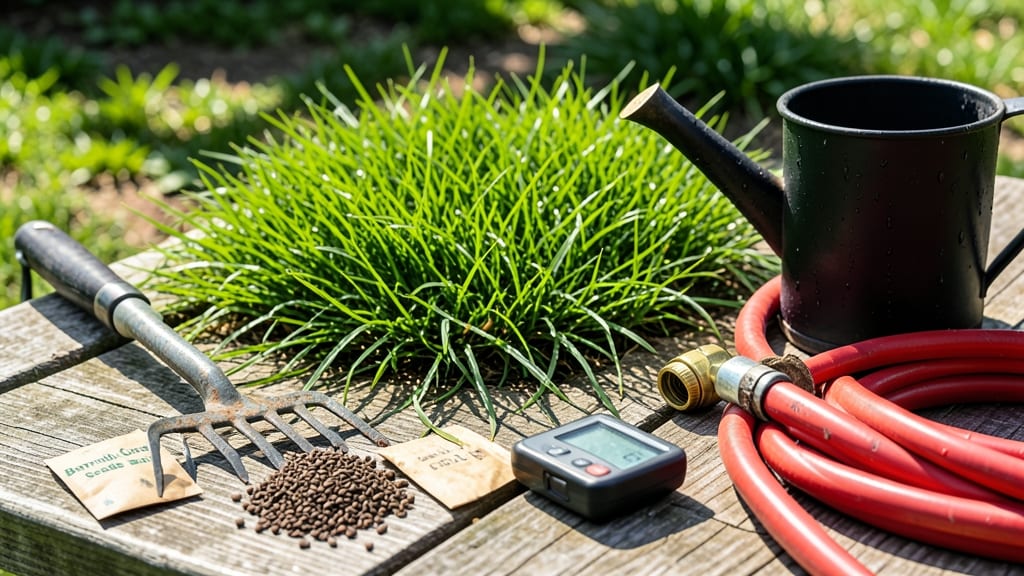
Planting Bermuda grass seed in Georgia when soil temperatures hit 65°F or higher 🌱 is your best bet for a thick, weed-resistant lawn.
Get it wrong, and you’re staring at thin patches or weeds stealing the show—because timing is everything for this heat-loving grass. Georgia’s 7a-8b zones mean your window is tight: too early, and frost lingers; too late, and summer’s brutal sun burns the seed before it sprouts.
You’ll learn the exact April-June window for your zone, how to prep soil for fast germination, and why a daily watering schedule for the first six weeks makes all the difference.
Skip the guesswork and plant with confidence—this is how you turn Georgia’s summer heat into your lawn’s superpower.
Georgia hardiness zones & Bermuda grass planting dates by month
Georgia's USDA hardiness zones 7a-8b create distinct windows for planting Bermuda grass seed—timing is everything for establishing a thick, drought-resistant lawn. In Zone 7, aim for late April to early May, while Zone 8 gardeners should plant from mid-May to early June.
These windows align with soil temperatures hitting 65°F+, the minimum for seed germination, but wait until 75°F+ for optimal growth rates.
Bermuda grass thrives in Georgia's hot summers, but early planting risks seed rot from lingering spring rains, while late planting may struggle with establishment before summer heat.
The 14-day germination window means you must plant when daytime highs consistently stay above 80°F—typically after Memorial Day in most of Georgia.
| Zone | Best Planting Month | Soil Temp Threshold | Heat Zone Notes |
|---|---|---|---|
| 7a (North GA) | Late April - Early May | 65°F+ (minimum), 75°F+ (optimal) | Higher elevation areas may need late May planting |
| 7b (Central GA) | Early May - Mid-May | 70°F+ (minimum), 80°F+ (optimal) | Watch for late frost risks in April |
| 8a (South GA) | Mid-May - Early June | 75°F+ (minimum), 85°F+ (optimal) | Humidity peaks in June—plant before 1 inch rainfall events |
| 8b (Coastal GA) | Late May - Early June | 80°F+ (minimum), 88°F+ (optimal) | Highest heat tolerance—plant when soil stays warmest |
For Zone 7 gardeners, the April 15-May 15 window is ideal, but wait until after the last frost date (typically March 15 in northern GA). Use a soil thermometer to confirm consistent 65°F+ readings at 4-inch depth—this prevents seed dormancy and ensures uniform germination.
In Zone 8, where summers arrive earlier, May 1-June 1 is your sweet spot, but avoid planting after June 15 unless you're using sprigging instead of seed.
Georgia's heat zones (1-3) also play a role—Zone 1 (north) has cooler summers, while Zone 3 (south) can hit 100°F+.
In heat zones 2-3, plant earlier (early May) to give roots time to establish before peak summer stress. Shade cloth can help young seedlings in Zone 1 if planting extends into late May.
One critical mistake Georgia gardeners make is planting too early when soils are still damp from spring rains. Bermuda grass seed rots at 50°F+ if kept wet for more than 48 hours.
Always test soil moisture—stick your finger 2 inches deep; if it's damp, wait 3-5 days before planting. Morning planting (before 10 AM) reduces fungal risks from overnight dew.
If you miss the spring window, don't despair—Bermuda grass can also be planted in late summer (August) for a fall establishment, but this requires daily watering and weed suppression.
However, spring planting yields thicker, more drought-resistant lawns by summer. Avoid fall planting entirely—Bermuda grass goes dormant in winter, and seeds won't germinate in cooler soils.
Pro tip: Mark your calendar for the first week of June in Zone 8 or mid-May in Zone 7—this is when soil temps peak and rainfall typically decreases, creating perfect conditions for Bermuda grass to take hold. Mulch lightly with straw after planting to retain moisture without smothering seeds.
Remember, Bermuda grass spreads aggressively once established, so plant no more than 1 lb of seed per 100 sq ft. Over-seeding leads to thin growth and wasted seed.
For best results, pair planting with pre-emergent herbicide (applied 2 weeks post-planting) to block weeds during the critical 4-6 week establishment phase.
🌱
5 Critical factors that determine your planting timeline
Georgia’s humid climate means your Bermuda grass seed success hinges on timing more than anywhere else. Plant too early, and cool soils slow germination to a crawl—3-10 days can stretch to weeks.
Too late, and weeds steal nutrients before your grass even sprouts. Let’s break down the 5 key factors that dictate the perfect window for your lawn.
First, soil temperature is non-negotiable. Bermuda grass needs soil at 75°F+ to germinate efficiently. In Georgia, this typically means waiting until late April to early June in Zone 7 and May to early June in Zone 8. A soil thermometer is your best friend here—don’t guess!
- 1
- 2
- 3
- 4
- 5
Fourth, weed suppression is a silent killer. If you plant too early, weeds like crabgrass and clover will outcompete your Bermuda grass seedlings. Aim for late spring (after May 15) in most of Georgia—this gives your grass a 3-week head start before weeds wake up for summer.
Pre-emergent herbicides can help, but timing is everything.
Finally, heat tolerance plays a surprising role. Planting too early (April) means your grass will face 90°F+ temps before it’s fully established, leading to stress and patchy growth.
Conversely, waiting until July risks weeds taking over. The sweet spot? Late May to early June—just as summer heat ramps up but weeds are still manageable.
Adjust your timeline based on these factors, and you’ll avoid the #1 mistake Georgia gardeners make: planting Bermuda grass seed when conditions aren’t right. The result? A thick, drought-resistant lawn that outcompetes weeds naturally. 🌱