
Plants
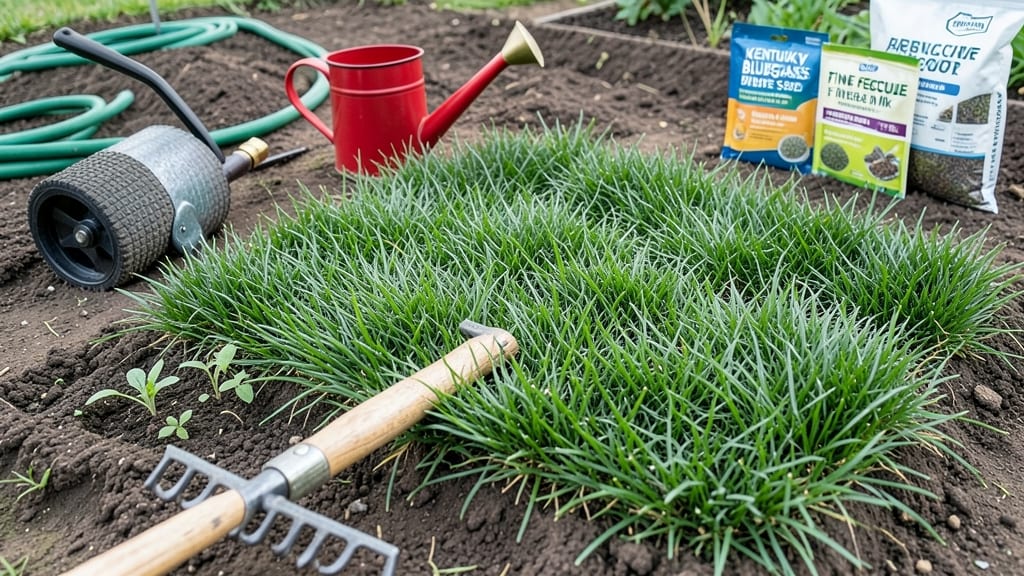
Planting grass seed in Portland, Oregon, during early fall or spring is your best bet for a lush lawn—timing beats luck here.
Portland’s unpredictable weather can turn your grass-seeding project into a gamble—unless you plant at the perfect time. Get the exact soil temperatures, frost dates, and seasonal windows to ensure your lawn thrives, not struggles.
Cool-season grasses like fescue and ryegrass love Portland’s 50°F–75°F soil temps, which arrive in early spring (March–April) and early fall (September–October). Warm-season grasses? They’re a gamble unless you wait until May, when the ground warms up.
Below, I’ll break down the exact frost dates, soil prep tricks, and watering schedules that keep your 🌱 seed from washing away or baking in the sun.
Portland’s ideal grass-seeding soil temperatures and frost dates (2024 guide)
Portland’s cool, wet climate demands precision when planting grass seed. The USDA Zone 8a classification means your lawn’s success hinges on soil temperatures between 50°F–75°F and avoiding frost windows.
Plant too early, and frost kills seedlings; too late, and summer heat stresses them. Let’s pinpoint the exact windows for your Portland lawn.
Grass seeds germinate best when soil stays consistently warm—60°F–70°F for cool-season grasses like fescue and ryegrass, and 70°F–75°F for warm-season types like Bermuda. Portland’s last frost date typically lands between April 15–May 15, while first frost arrives October 15–November 1.
These dates create your 6-week planting windows in spring and fall.
Why timing matters: Planting in late spring (May–June) risks heat stress, while early fall (September–October) gives seedlings time to establish before winter. Portland’s rainy winters also mean seedbed prep must account for drainage—compacted or waterlogged soil smothers seeds. Let’s break down the critical data to avoid common pitfalls.
| Season | Ideal Soil Temp | Last Frost Date | First Frost Date | Planting Window |
|---|---|---|---|---|
| Spring | 50°F–65°F | April 15–May 15 | N/A | March 15–April 30 |
| Summer | 70°F–75°F | N/A | October 15–Nov 1 | May 15–June 30 |
| Fall | 60°F–70°F | N/A | October 15–Nov 1 | September 1–October 15 |
| Winter | Below 50°F | N/A | N/A | Avoid planting |
Portland’s microclimates add complexity—urban areas stay slightly warmer than rural zones, while elevated spots (like hills) frost earlier. Use a soil thermometer to confirm temps before planting.
For example, April 1 might feel safe, but soil could still hover at 48°F, stalling germination. Wait until consistent 50°F+ readings for 5+ days.
Cool-season grasses like tall fescue thrive in Portland’s mild winters, while warm-season types (like Bermuda grass) struggle without consistent summer heat. If you’re seeding in late spring (May–June), prioritize shade-tolerant varieties and daily watering to combat heat stress.
Early fall plantings, however, benefit from cooler temps and steady rains, reducing irrigation needs.
Watch for Portland’s "Indian summer"—unexpected warm spells in October that can trick you into planting too late. Delay seeding if nighttime temps dip below 45°F, as frost can kill tender seedlings. Use row covers or straw mulch for extra protection if you’re pushing the October 15 deadline.
Soil prep is just as critical as timing. Test your soil pH (6.0–7.0 ideal) and amend with compost or lime if needed. Rake the area to create a fine, firm seedbed, then lightly water to settle the soil.
Avoid heavy foot traffic for 2–3 weeks post-planting to prevent seed displacement.
After seeding, maintain consistent moisture—Portland’s dry summers can parch seedlings if rainfall drops. Aim for 1–1.5 inches of water weekly, applied in morning sessions to reduce evaporation. A sprinkler with fine mist works best for new grass, keeping soil damp but not soggy.
Finally, monitor your lawn for signs of stress like yellowing or slow growth. These often signal poor soil temps, uneven watering, or weed competition. Adjust your approach—perhaps shift to fall planting next year if spring results disappoint.
With the right timing and care, your Portland lawn can achieve lush, year-round coverage.
Best months to plant grass seed in Portland: cool-season vs. warm-season grasses
Portland’s cool maritime climate creates two distinct windows for planting grass seed, depending on whether you choose cool-season or warm-season varieties. Cool-season grasses like tall fescue and perennial ryegrass thrive when soil temperatures hover between 50°F–65°F, while warm-season grasses like Bermuda and zoysia need 65°F–75°F to germinate.
Timing is critical—plant too early or late, and you risk fungal growth or seed washout from Portland’s winter rains or summer droughts.
For urban Portland gardens (warmer microclimates near buildings) or rural areas (cooler, wetter conditions), adjustments are needed. Urban spots may stay 5–10°F warmer than rural areas, extending your planting window by 2–3 weeks.
Always check your local frost dates—Portland’s last frost typically occurs around April 15, while the first frost arrives October 15–November 1. Planting outside these windows can stunt growth or invite pests.
If you’re planting cool-season grasses like tall fescue or ryegrass, aim for early fall (September–October) to take advantage of cooler soil and consistent rainfall. This window gives seeds time to establish roots before winter dormancy.
For spring planting (March–April), wait until after the last frost (April 15) to avoid seed damage. Urban gardeners can push spring planting to late April due to microclimate warmth.
For warm-season grasses, May–June is your only shot in Portland. Bermuda and zoysia need consistent warmth to germinate, and planting too early risks seed rot from lingering cool nights. Rural areas may need to wait until late May or June due to slower soil warming.
After planting, use a light mulch (straw or peat moss) to retain moisture and protect seeds from Portland’s wind.
Adjust your watering schedule based on the season. Cool-season plantings need light daily watering (about ¼ inch) to keep soil moist but not soggy. Warm-season grasses require deep watering 2–3 times per week once established, especially in urban heat islands that dry out faster.
Always water early morning (6–9 AM) to reduce evaporation and fungal risks like dollar spot, common in Portland’s damp summers.
Pro tip: Use a soil thermometer ($10–$15 at garden centers) to confirm soil temps before planting. For urban microclimates, check the south-facing side of your yard—it may warm 5–10°F faster than shaded areas.
If your soil is too cold or too hot, delay planting until conditions align with your grass type’s needs.