
Plants
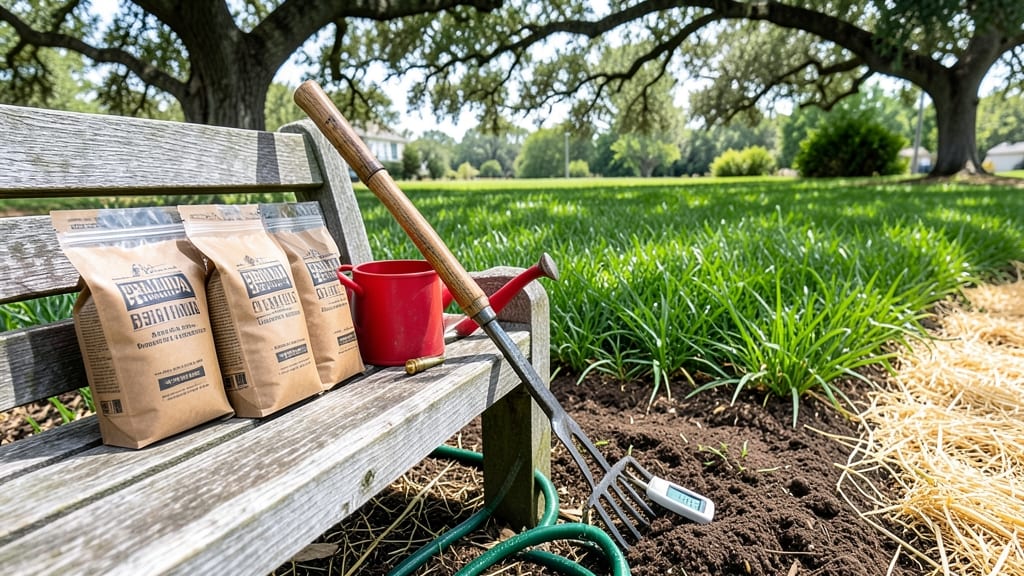
Planting Bermuda grass seed in South Carolina at the right time means the difference between a lush, heat-resistant lawn and a patchy, weed-infested struggle.
Picture this: You’ve spent hours prepping your soil, only to watch your seed money vanish into thin air because you planted too early or too late.
In USDA zones 7b-9a, timing isn’t just about months—it’s about soil temperatures, humidity, and avoiding those sneaky late frosts that can sneak in until mid-March.
Most gardeners in South Carolina swear by late spring—think late April to early June—when the ground is warm enough to kickstart germination. But there’s a second window in early fall (August to mid-September) that many overlook, especially for coastal areas where summer heat can stress new seedlings.
Below, I’ll break down the exact conditions to watch for, how to prep your lawn for success, and why some years demand a fall start over spring. No more guesswork—just a thriving Bermuda lawn that outlasts the heat.
Optimal planting windows for Bermuda grass seed in South Carolina’s climate zones
South Carolina’s warm-season climate creates perfect conditions for Bermuda grass once you time your planting right. Unlike cool-season grasses, Bermuda thrives in heat but needs consistent soil temperatures above 65°F to germinate properly.
Planting too early risks frost damage, while waiting too long can lead to weed competition and poor establishment.
The best planting windows in South Carolina fall into two distinct periods: late spring and early fall. These timings align with USDA zones 7b-9a, where frost-free periods range from 220-250 days.
Coastal areas (like Charleston) may have slightly longer growing seasons, while inland regions (like Greenville) need earlier starts to capitalize on summer heat.
Here’s how South Carolina’s microclimates affect your planting schedule, including the ideal varieties for each zone:
| Climate Zone | Best Planting Window | Soil Temp Requirement | Recommended Varieties | Key Consideration |
|---|---|---|---|---|
| Coastal (Zones 8a-9a) | Late April - Early June | 65°F+ (consistent) | Tifway, Celebration | Higher humidity; watch for fungal risks |
| Piedmont (Zones 7b-8a) | Early May - Mid-June | 68°F+ (warmer nights) | Riviera, Tifway 419 | Cooler nights; extend window to July |
| Upstate (Zones 7b-7a) | Mid-May - Early July | 70°F+ (longer heat needed) | Midiron, Tifway | Shorter growing season; prioritize heat-tolerant types |
| Fall Planting (All Zones) | Early August - Mid-September | 75°F+ (soil temp) | All varieties (fast establishment) | Avoid planting after September 15 for best results |
For coastal areas, late April planting gives Bermuda grass a 6-8 week head start before summer’s peak heat. Varieties like Tifway and Celebration thrive here due to their drought tolerance and disease resistance.
Just be prepared for higher humidity, which can encourage fungal growth—keep your irrigation consistent but avoid overhead watering at night.
Inland regions like the Piedmont and Upstate should wait until mid-May or later to ensure soil stays warm enough. The Riviera variety excels here because it handles cooler nights better than other types.
If you’re in Zone 7b, consider extending your window into early July to maximize growth before fall cools down.
Fall planting offers a second chance for South Carolina gardeners, especially in August-September. This window works because Bermuda grass can still establish roots before first frost (typically mid-November). The key is to plant at least 6-8 weeks before frost—this gives seedlings time to develop before winter dormancy.
Avoid planting after September 15, as cooler nights slow germination.
No matter which window you choose, soil temperature is your best guide. Use a soil thermometer to confirm readings of 65°F+ at 2-4 inches deep. If temperatures dip below this, germination will stall, and you’ll waste seed.
Pro tip: Dark-colored plastic mulch can warm soil by 5-10°F, helping you start earlier in cooler microclimates.
Once your Bermuda grass is established, it will reward you with dense, heat-loving turf that stays green through South Carolina’s hottest months. But timing your planting correctly now means fewer headaches with weed competition and poor germination later. Don’t let your lawn become a battleground—plant smart this season!
Critical pre-planting preparations to ensure Bermuda grass seed success
Before you even consider planting Bermuda grass seed in South Carolina, proper pre-planting prep is non-negotiable. Skipping these steps often leads to poor germination, weed dominance, or wasted seed—don’t let that happen to your lawn.
The key phases include soil testing, pH adjustment, and creating an ideal seedbed environment.
Your first critical step is testing your soil pH. Bermuda grass thrives in a 6.0–7.0 pH range. If your soil is too acidic (below 6.0) or alkaline (above 7.0), germination will suffer.
Grab a soil test kit from your local garden center—it’s a small investment for big results. Adjustments can be made with lime for acidic soil or sulfur for alkaline soil.
South Carolina’s soil temperature must stay above 65°F for 4+ weeks before planting. Planting too early (before last frost) or too late (after summer heat) risks seed rot or dormancy. Use a soil thermometer to confirm—wait until temps are consistently warm.
Once your soil pH is perfect, tackle weed control. Bermuda grass is aggressive, but weeds like crabgrass and clover will outcompete it if left unchecked. Apply a pre-emergent herbicide 2–3 weeks before planting to prevent weed seeds from sprouting.
For organic options, use corn gluten meal or hand-pull weeds after rain when soil is soft.
Next, prepare your seedbed by removing debris and leveling the soil. Use a raking tool to create a fine, firm surface—think of it like preparing a smooth canvas for your grass seeds.
Loosen the top 1–2 inches of soil with a garden rake or tiller to help roots penetrate easily. Avoid compacting the soil, as this can suffocate new seedlings.
Don’t overlook irrigation setup. Bermuda grass seeds need consistent moisture to germinate, but overwatering can drown them. Install a drip irrigation system or soaker hoses to deliver water directly to the soil.
Aim for 1–1.5 inches of water per week, applied in the early morning to reduce evaporation and fungal risks.
Finally, consider seedbed mulching lightly with straw or peat moss to retain moisture and protect seeds from birds or harsh winds. Avoid heavy mulch, as it can smother seeds. Once everything is prepped, you’re ready to plant—just follow your chosen Bermuda grass variety’s specific seeding rate for best results. 🌱