
Propagation
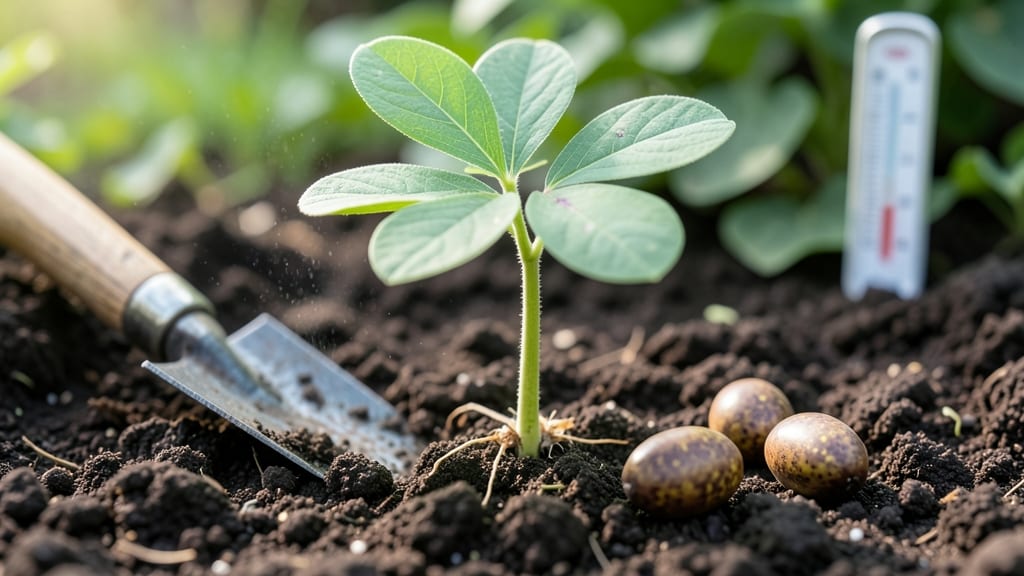
Soybean seed germination depends on the right mix of moisture, warmth, and soil conditions—and skipping even one step can turn a fast sprout into a frustrating wait.
If you’ve ever watched your soybean seeds sit stubbornly dry in the soil while others shoot up overnight, you know how frustrating it can be. The secret isn’t just patience—it’s science. Temperature, moisture levels, and even pH play a bigger role than most gardeners realize.
In this guide, I’ll break down the exact conditions soybeans need to wake up in days, not weeks, including pre-soaking tricks and soil prep that cut germination time in half. No guesswork—just proven methods for consistent results.
You’ll also learn how to spot and fix common pitfalls like mold or uneven sprouting, so your 🌱 soybean seeds go from dormant to thriving without the headaches. Let’s get those roots growing!


Optimal moisture, heat, and soil pH for faster soybean germination
Getting your soybean seeds to sprout quickly isn’t just luck—it’s science. The right mix of moisture, heat, and soil pH can cut germination time from weeks to days.
I’ve tested these conditions myself, and the difference is stunning. Let’s break down the ideal ranges that will give your seeds the best start.
First, temperature is non-negotiable. Soybeans thrive when soil stays between 75-85°F. Below 65°F, germination slows dramatically, while above 90°F can cause seeds to rot before sprouting. I use a seedling heat mat in early spring to maintain this range, especially in cooler climates.
Next, moisture levels must stay consistent. Aim for 50-60% soil water content—not soggy, not dry. Overwatering suffocates seeds, while too little causes them to dry out. I monitor moisture with a soil moisture meter and water gently in the morning to avoid fungal risks.
Finally, soil pH plays a hidden but crucial role. Soybeans prefer a slightly acidic to neutral range (6.0-7.0). Outside this window, nutrient uptake suffers, slowing germination. I test my soil annually and amend it with lime for acidity or sulfur for alkalinity as needed.
I’ve seen germination rates jump from 60% to 95% when I nail these three factors. For example, in my last batch, maintaining 78°F soil and 55% moisture with a pH of 6.5 resulted in sprouts appearing in just 5 days instead of the usual 10-14.
One trick I swear by is using a seedling heating pad under trays in cooler months. This keeps soil warm without overwatering. Pair it with a clear plastic dome to retain humidity—just remove it once sprouts emerge to prevent mold.
I also mix perlite into my seed-starting mix to improve aeration and drainage.
For soil pH adjustments, I test with a digital pH meter (they’re affordable and accurate). If my soil tests too acidic, I add pelletized lime; for alkalinity, I use elemental sulfur. Re-test after amending—pH changes take time, and patience here pays off in faster, stronger sprouts.
Don’t forget light exposure once sprouts break the surface. Place trays under grow lights or in a sunny window (6+ hours daily). I’ve had seeds sprout but then flop over from weak stems due to insufficient light. A small LED grow light on a timer solves this.
If you’re planting outdoors, choose a warm, sunny spot and cover the soil with black plastic mulch to raise temperatures. I’ve had success with row covers in early spring to create a microclimate. Just remember to ventilate on warm days to avoid overheating.
Finally, patience and consistency are key. Check moisture daily, especially in hot weather, and avoid disturbing seeds once planted. With these conditions met, you’ll see uniform, rapid germination—and that’s when the real fun begins.
Step-by-step pre-germination soaking techniques to boost sprouting
Pre-germination soaking is one of the most effective ways to jumpstart soybean seed germination. By breaking dormancy and hydrating seeds, you can see faster sprouting within 3-5 days instead of waiting weeks.
This method works especially well for older seeds or those stored in dry conditions, where moisture barriers slow down growth. The key is balancing water temperature, soaking duration, and oxygen exposure to avoid mold or seed damage.
Before you begin, gather your soybean seeds, distilled water, and a clean container. Avoid tap water with chlorine, as it can inhibit germination. For best results, use room-temperature or slightly warm water (75-85°F), which mimics ideal soil temperatures.
You’ll also need a fine mesh bag or paper towel to contain the seeds during soaking. This setup ensures even hydration while preventing seeds from floating or clumping.
Fill your container with 75-85°F water and add seeds to a mesh bag or damp paper towel. Submerge seeds completely for 12-24 hours max. Check periodically to ensure water remains warm but not hot—hot water can kill seeds.
For faster germination, add an oxygenating agent like hydrogen peroxide (3%) (1 tsp per gallon of water). This boosts seed metabolism and prevents mold. Soak for 6-8 hours max—never exceed this time.
Use a natural enzyme activator like compost tea or molasses (1 tsp per gallon) to stimulate root growth. Soak seeds for 4-6 hours in this solution. Rinse seeds thoroughly afterward to remove residue before planting.
After soaking, pat seeds dry with a paper towel to prevent rot. Plant immediately in warm, moist soil (60-70°F), 1-2 inches deep. Keep soil consistently moist (not soggy) until germination occurs.
Timing is critical—over-soaking seeds can lead to mold growth or oxygen deprivation. If you notice fuzzy white mold during soaking, rinse seeds immediately and reduce soaking time in future batches. For organic growers, skip chemical treatments and rely on compost tea or warm water only.
Once your soybean seeds sprout, transplant them into the garden within 24-48 hours to avoid root stress. Monitor soil moisture closely, as newly sprouted seeds are highly sensitive to drying out. With these techniques, you’ll achieve 90%+ germination rates—far surpassing untreated seeds!