
Plants
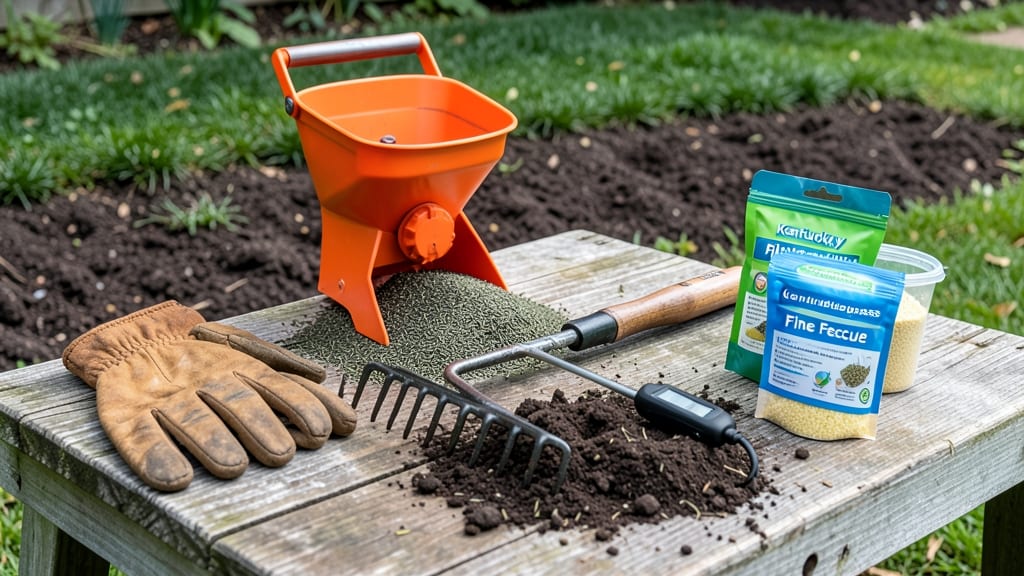
Planting grass seed in South Dakota means timing it right for the 4a-5b zone’s short, intense growing season—early spring or fall are your best bets.
South Dakota’s unpredictable climate—from bitter winter winds to scorching summer droughts—can make or break your lawn’s success. Planting grass seed at the wrong time risks poor germination, weeds taking over, or wasted effort. But timing it just right ensures a lush, resilient lawn that survives the state’s harsh growing seasons.
Most gardeners in the Black Hills or eastern plains swear by late August to early October for fall planting, when soil stays warm enough for roots to establish before winter. Spring planting, however, demands patience—wait until after the mid-May frost to avoid seedling loss.
Below, I’ll break down the exact frost-free window by zone, soil temperature tricks to speed up germination, and how to outsmart South Dakota’s drought cycles for a lawn that thrives year after year.
South Dakota grass planting zones: best frost-free window by USDA Zone
South Dakota spans USDA Zones 3b through 5a, creating distinct planting windows that depend on your location. The Black Hills region (Zone 4a-5a) enjoys slightly longer growing seasons than the eastern plains (Zone 3b-4b), where frost lingers longer.
Understanding these zones helps you avoid planting too early (risking frost damage) or too late (facing summer drought stress).
Most of South Dakota experiences its last spring frost between mid-April and early May, while the first fall frost arrives mid-September to early October. These dates shift 1-2 weeks earlier in Zone 3b (western plains) and 1-2 weeks later in Zone 5a (southeastern corners).
Microclimates—like sheltered valleys or urban heat islands—can also shift your frost dates by 5-10 days.
For cool-season grasses (Kentucky bluegrass, tall fescue), the ideal planting window spans March through early May or September through mid-October.
Warm-season grasses like buffalo grass or zoysia thrive when planted after last frost (late May to early June), giving them time to establish before summer heat sets in.
Here’s how your USDA Zone impacts timing, with a side-by-side comparison of frost-free windows and best months for planting:
| USDA Zone | Last Spring Frost | First Fall Frost | Best Planting Months | Soil Temp for Germination |
|---|---|---|---|---|
| 3b (Western Plains) | Mid-April | Early September | Late March–Early May, September–Mid-October | 50–55°F |
| 4a (Central Plains) | Early May | Mid-September | Early April–Late May, Late August–Late October | 50–55°F |
| 4b (Eastern Plains) | Late April | Late September | Late March–Early June, September–Early November | 50–55°F |
| 5a (Southeast Corner) | Early May | Mid-October | Early April–Late May, Late August–Late October | 50–55°F |
Before planting, check your soil temperature—it should stay above 50°F for 5–7 days for cool-season grasses to germinate. Use a soil thermometer (available at garden centers) to confirm readiness.
In Zone 3b, wait until late April or early May to avoid frost kill, while Zone 5a gardeners can plant as early as mid-March.
Fall planting offers a second chance for a lush lawn. Aim to plant 4–6 weeks before your first frost (typically September through mid-October) to allow roots to establish before winter. Seedlings need consistent moisture—water deeply 2–3 times weekly until germination (usually 10–21 days depending on grass type).
Microclimates play a huge role in South Dakota. The Black Hills (Zone 4a-5a) have cooler, wetter conditions, allowing for earlier spring planting. Meanwhile, the eastern plains (Zone 3b-4b) face hotter, drier summers, making fall planting a safer bet.
If you’re in a low-lying area, frost may arrive 2 weeks earlier than in nearby hills.
Use this zone-specific checklist to ensure your lawn is ready:
- ☑️ Soil temperature is 50°F+ (use a thermometer)
- ☑️ Soil is moist but not waterlogged (test by squeezing a handful—it should hold shape but not drip)
- ☑️ Weeds are controlled or removed (pre-emergent herbicide can help)
- ☑️ Seed is fresh (within 1 year) for best germination rates
- ☑️ You’ve raked the soil to a fine, even texture (1/4-inch depth)
Pro tip: Overseeding in fall is your best bet for a thick, green lawn in South Dakota. Cool temperatures and consistent rainfall create perfect conditions for grass to establish before winter dormancy. Start with 1/2 pound of seed per 100 sqft for new lawns, and 1/4 pound for overseeding.
Remember, timing is everything—plant too early, and frost will kill your seedlings; plant too late, and summer heat will stress them. By aligning your planting with your USDA Zone and local frost dates, you’ll give your lawn the best shot at thriving in South Dakota’s challenging climate. 🌱
Soil temperature and moisture: the hidden factors that determine grass seed success
South Dakota’s clay-heavy and sandy soils behave differently when it comes to grass seed success. While calendar dates guide planting windows, soil temperature and moisture levels are the real game-changers.
Cool-season grasses like Kentucky bluegrass need soil temps of 50°F+, while warm-season varieties like buffalo grass thrive at 60°F+. Ignoring these factors can lead to slow germination or seedling death, even if you plant at the "right" time.
Testing your soil’s moisture content is just as critical as checking the thermometer. Sandy soils dry out faster and require more frequent watering, while clay soils hold moisture longer but can suffocate roots if overwatered.
A simple soil moisture test—digging 2-3 inches deep and squeezing a handful—reveals whether your soil is ready. If it crumbles easily, it’s too dry; if it stays clumped, it’s over-saturated.
Before planting, adjust your soil’s pH and organic matter to create the ideal environment for germination. Most cool-season grasses prefer a pH of 6.0-7.0, while warm-season varieties tolerate slightly higher levels (6.0-7.5).
South Dakota’s clay-heavy soils often benefit from compost or peat moss to improve drainage and nutrient retention. For sandy areas, incorporate organic matter to help retain moisture and reduce erosion.
Once your soil meets the ideal conditions, maintain consistent moisture without overwatering. New grass seedlings need about 1 inch of water per week, delivered in the morning to prevent fungal diseases.
In clay soils, water deeply but less frequently to encourage deep root growth, while sandy soils may require daily light watering to keep the top inch moist. Use a rain gauge or tuna can to measure watering accurately.
Don’t let South Dakota’s unpredictable weather catch you off guard. Monitor soil temps weekly using a soil thermometer (available at garden centers for under $10). If temps drop below 50°F for cool-season grasses or 60°F for warm-season types, delay planting until conditions improve.
A few extra weeks of waiting can mean the difference between a thin, patchy lawn and a lush, resilient turf that thrives through the state’s harsh seasons.
With the right soil prep, your grass seed will germinate faster and establish stronger roots, giving you a head start on a healthy lawn that survives South Dakota’s extremes. Paying attention to these hidden factors isn’t just about timing—it’s about setting your lawn up for long-term success. 🌱