
Plants
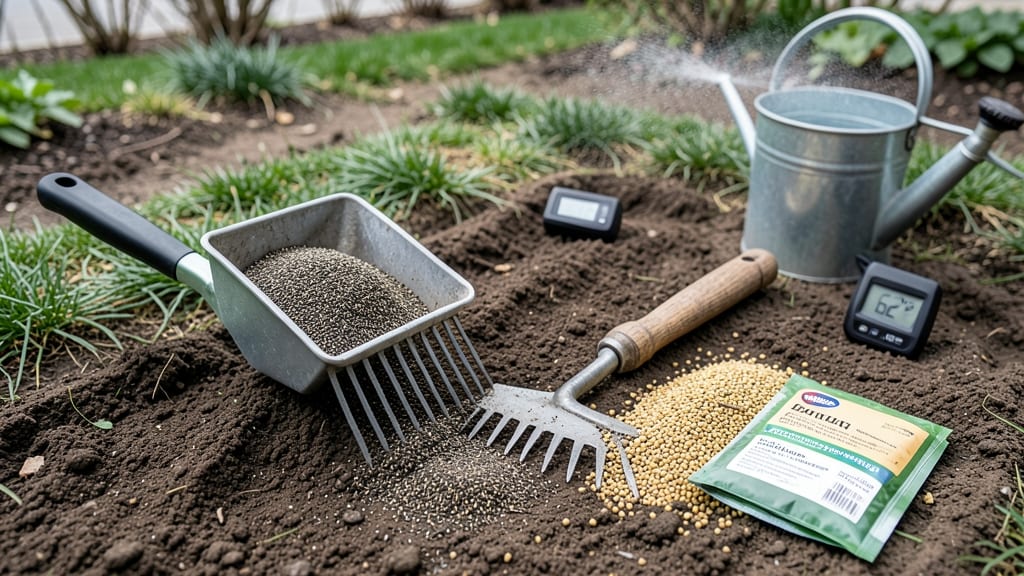
Planting grass seed in Michigan during spring means timing it right after the last frost—typically between early and mid-April—when soil temperatures hit 50°F or warmer.
Timing is everything when planting grass seed in Michigan—plant too early and frost will ruin your efforts, too late and summer heat stresses young seedlings. Get it right, and you’ll enjoy a lush lawn all season long.
Michigan’s 5a-6b climate means you’ve got a narrow window to work with, especially in the Upper Peninsula where frost lingers longer. The key is checking soil temps and watching for those consistent daytime highs of 55°F or above.
In this guide, I’ll walk you through the exact frost-free timeline for your region, how to prep your soil, and the step-by-step process to ensure your grass seed takes hold before summer arrives.
Michigan spring planting timeline: frost dates, soil temperatures & best months
Timing your grass seed planting in Michigan depends on two critical factors: soil temperature and frost dates. The Upper Peninsula and Lower Peninsula have different microclimates, so I’ll break down the ideal windows for each region.
For most of Michigan, April is the sweet spot—but there’s more to it than just the calendar.
Grass seed germinates best when soil temperatures consistently stay between 50–65°F. In Michigan, this typically happens 4–6 weeks before the last spring frost.
Cool-season grasses like tall fescue and Kentucky bluegrass (the best choices for Michigan) thrive when planted in early spring or fall, while warm-season grasses like Bermuda prefer late spring.
Here’s the key: Plant too early, and frost will kill young seedlings. Plant too late, and summer heat stresses them before roots establish. The average last frost date in Michigan ranges from April 15 in the southern Lower Peninsula to May 1 in the Upper Peninsula.
Use this as your starting point—but soil temperature is the real decider.
| Region | Last Frost Date | Ideal Soil Temp | Best Planting Window | Notes |
|---|---|---|---|---|
| Southern Lower Peninsula (e.g., Detroit, Kalamazoo) | April 15–20 | 50–65°F (10–18°C) | Early April (late March in mild years) | Warmest region; can plant earliest. |
| Northern Lower Peninsula (e.g., Grand Rapids, Traverse City) | April 25–May 1 | 50–65°F (10–18°C) | Mid-April (wait for soil to warm) | Cooler nights; monitor soil temp closely. |
| Upper Peninsula (e.g., Marquette, Houghton) | May 1–10 | 50–65°F (10–18°C) | Late April–early May | Latest frost dates; wait until soil is consistently warm. |
| All Regions (Fall Planting) | September 15–October 15 | 50–65°F (10–18°C) | Early September | Best alternative for thick, resilient lawns. |
For the Southern Lower Peninsula, where frost typically lifts by April 15, I recommend starting seed in late March if soil temperatures are already 50°F or warmer.
In Grand Rapids or Traverse City, wait until mid-April—soil in these areas can still be too cold in early spring. The Upper Peninsula demands patience; don’t plant before late April, even if the calendar says May.
Pro tip: Use a soil thermometer (or the back of your hand—if it feels warm but not hot, it’s likely ready). Grass seed needs consistent moisture and warm soil to germinate. If you plant too early and frost hits, cover seedlings with row fabric or straw mulch to protect them.
If you miss the spring window, don’t worry—fall planting (early September) is just as effective. In fact, many Michigan gardeners swear by fall seeding because cooler temperatures reduce weed competition and stress on young grass.
Just aim to plant 6–8 weeks before the first frost, which usually hits mid-October in most areas.
One common mistake I see? Planting based on air temperature instead of soil temperature. A 60°F day might feel warm, but if the soil is still 45°F, your seed won’t sprout.
Always check the soil, not the air. For a quick test, press your finger into the ground—if it’s easily penetrable and warm to the touch, it’s ready.
For cool-season grasses (the best choice for Michigan), the ideal window is March 15–April 30 in the south and April 15–May 15 in the north. If you’re overseeding an existing lawn, late summer (August) is another great time to thicken up bare spots before winter.
Remember, consistency is key. Once your seed is in
How to check soil temperature & prepare your lawn for spring grass seed
Before planting grass seed in Michigan, soil temperature is your most critical factor. Grass seeds need soil that’s at least 50°F (10°C) to germinate, but 55°F (13°C) or warmer ensures faster, stronger growth.
In Michigan’s 5a-6b climate, this typically happens between early and mid-April, but Upper Peninsula regions may need to wait until late April or early May.
You’ll also want to prep your lawn by removing debris and weeds, aerating compacted soil, and topdressing with compost. These steps create the ideal environment for your new grass to establish roots before summer heat arrives.
Let’s break down the exact process, from testing soil warmth to choosing the right grass type for your Michigan yard.
Step-by-Step Guide to Spring Grass Seed Prep
- Step 1: Test Soil Temperature
- Use a soil thermometer (insert 2–4 inches deep)
- Check temps early morning for accuracy
- Wait until soil stays 55°F+ for 5+ days
- Step 2: Prep Existing Lawn
- Remove debris and weeds with a rake
- Aerate compacted soil (rent a core aerator)
- Topdress with 1/4-inch compost for nutrients
- Step 3: Choose Grass Type
- Cool-season grasses (Kentucky Bluegrass, Fescue) – Best for Michigan
- Warm-season grasses (Bermuda, Zoysia) – Rarely used in MI
- Pick a shade-tolerant mix if your yard has partial shade
- Step 4: Plant Seed
- Spread seed evenly at recommended rate (check bag)
- Lightly rake to 1/4-inch depth for soil contact
- Water lightly daily (keep soil moist, not soggy)
- Step 5: Post-Planting Care
- Water 1 inch per week (morning only)
- Avoid heavy foot traffic for 4–6 weeks
- Mow when grass reaches 3–4 inches tall
🌱 Pro Tip: In Michigan, cool-season grasses like Kentucky Bluegrass and Tall Fescue thrive best—warm-season types rarely survive our winters.
Michigan’s spring weather can be unpredictable, so monitor soil temps daily once you’re close to planting time. If a late frost hits, cover new seedlings with lightweight row fabric until temperatures stabilize.
Once your grass reaches 3–4 inches tall, you can start mowing—but never cut more than 1/3 of the blade height at a time to avoid stressing young plants.
For clay-heavy soils common in Michigan, mix in sand or compost before planting to improve drainage. This prevents waterlogging, which can suffocate grass roots. If your lawn has bare patches, consider overseeding in early fall as well—this gives grass a second chance to fill in before winter sets in.
Remember, the first 2–3 weeks after planting are critical. Consistent moisture and proper soil prep make all the difference between a thin, patchy lawn and a lush, resilient turf that survives Michigan’s summers and winters.
With the right timing and care, you’ll have a lawn to be proud of by Memorial Day.