
Plants
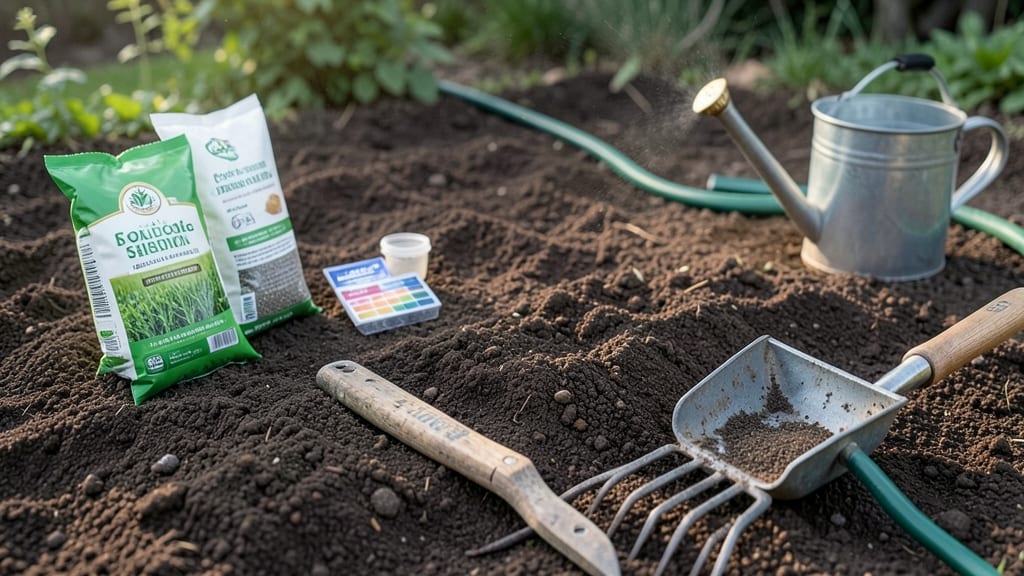
You can plant grass seed in Michigan once the soil warms to at least 50°F and the last frost has passed—typically between mid-April and early May, depending on your hardiness zone.
Michigan’s unpredictable spring weather can turn your grass-seeding plans into a guessing game—but timing is everything for a lush, weed-free lawn. Plant too early, and frost will kill your seeds; too late, and summer heat will stress them before they take root.
In zones 5b-6b, most of Michigan’s growing season hinges on soil temperature more than calendar dates. A simple soil thermometer tells you when it’s safe to sow, while the right seed mix (like Kentucky Bluegrass) adapts to Michigan’s short but intense growing season.
Below, I’ll break down the best planting windows by zone, how to prep your soil for success, and the 3 key signs your seeds are thriving—or struggling—so you can avoid common mistakes.
Michigan grass-seeding timeline by hardiness Zone (USDA 4-6)
Michigan’s three distinct hardiness zones (USDA 4-6) create unique planting windows for grass seed. Northern Michigan’s Zone 4 faces harsher frosts, while Southern Michigan’s Zone 6 enjoys longer growing seasons. The key to success? Planting when soil temperatures hit 50-65°F and frost risks are minimal.
Spring planting is risky if frost lingers, but fall offers cooler temps and fewer weeds. I’ve broken down the optimal planting windows for each zone, so you can avoid common mistakes like planting too early (frost damage) or too late (summer stress).
Let’s dive into the details tailored to your region.
For Zone 4 gardeners, I recommend focusing on fall planting (August–September) to avoid late spring frosts. The soil stays warm enough for germination, and cooler air temperatures reduce stress on young seedlings. If you must plant in spring, wait until after May 10 and monitor weather forecasts closely.
Central Michigan’s Zone 5 offers flexibility. You can plant in early spring (mid-April) if soil temperatures reach 55°F consistently, but fall (early September) is still ideal. This zone benefits from two strong planting windows, so choose based on your schedule and weather patterns.
Southern Michigan’s Zone 6 has the advantage of earlier springs. Plant in early April if the ground isn’t frozen, but be prepared to protect seedlings with frost cloth if nights dip below 40°F.
Fall planting here extends into late September, giving you extra time to establish roots before winter.
Regardless of your zone, always test soil temperature with a soil thermometer before planting. Seeds won’t germinate well below 50°F, even if the air feels warm. For Zone 4, aim for 50–60°F; Zone 5 thrives at 55–65°F; and Zone 6 prefers 60–65°F.
Pro tip: Use a seed germination blanket or straw mulch in early spring to warm the soil faster. This is especially helpful in Zone 4, where cold soils delay growth. In all zones, water deeply after planting (1 inch per week) to keep seeds moist until germination.
Remember, fall planting often yields better results in Michigan because weeds are less aggressive, and cooler temps reduce stress. If you miss your zone’s optimal window, don’t panic—just adjust for soil conditions and protect seedlings from extreme weather.
Now that you know the best times to plant, your next step is preparing the soil and choosing the right grass seed for your Michigan climate. Let’s tackle those in the next section! 🌱
How soil temperature and weather affect grass seed success in Michigan
Michigan’s cool-season climate means soil temperature and weather patterns can make or break your grass seed success. If the ground stays below 50°F (10°C), seeds may rot or fail to germinate—even if frost isn’t a threat.
Meanwhile, late spring heat can dry out seeds before they establish roots. Understanding these factors helps you time your planting for optimal germination and a thick, healthy lawn.
Grass seeds need consistent soil warmth—ideally between 50°F and 65°F (10°C–18°C)—to sprout efficiently. In Michigan, this window often aligns with late April to early June for spring planting and mid-August to early October for fall.
However, unpredictable rain or temperature swings can derail even the best-laid plans, which is why testing your soil is a game-changer.
To check soil temperature, use a soil thermometer (available for under $10). Insert it 2 inches deep—the depth where seeds will germinate—and wait 30 seconds for an accurate reading.
If the temp is below 50°F (10°C), wait another 1–2 weeks before planting. Pro tip: Morning readings are most reliable, as afternoon sun can skew results upward.
⚠️ Warning: Common Mistakes That Kill Grass Seed
- Planting too early: Seeds rot in cold, wet soil (below 50°F). Wait until soil warms consistently.
- Ignoring weather forecasts: Heavy rain can wash seeds away, while drought stress halts germination.
- Skipping soil prep: Compacted or rocky soil blocks root growth—always loosen top 2–3 inches.
🌱 Action Step: Cover seeds with straw mulch (not grass clippings) to protect them from sudden temperature drops.
Michigan’s spring transitions are especially tricky. If you plant in March or early April, seeds may sprout only to be fried by frost or smothered by snow. Instead, aim for late April to early May, when nights are cooler but days are warming.
For fall, September is ideal—seeds germinate in warm soil but establish roots before winter dormancy. Avoid planting after mid-October, as new growth won’t harden off before frost.
Watch for red flags that your seeds are struggling: patchy germination, yellowing seedlings, or fungal mold (gray fuzz on soil). These often signal overwatering, poor soil contact, or disease pressure.
If you see mold, rake the area gently, let it dry, and reapply seed if needed. For drought stress, water lightly twice daily (early morning and late afternoon) until seeds sprout.
Adjust your schedule based on Michigan’s microclimates. Northern Michigan (USDA Zone 4) has a shorter window—prioritize fall planting—while Southern Michigan (Zone 6) can extend spring planting into early June.
Use your local cooperative extension office for hyper-local frost dates, or check the Michigan State University Lawn Calendar for yearly updates. With the right timing and soil prep, your grass seed will thrive even in Michigan’s unpredictable weather.