
Propagation
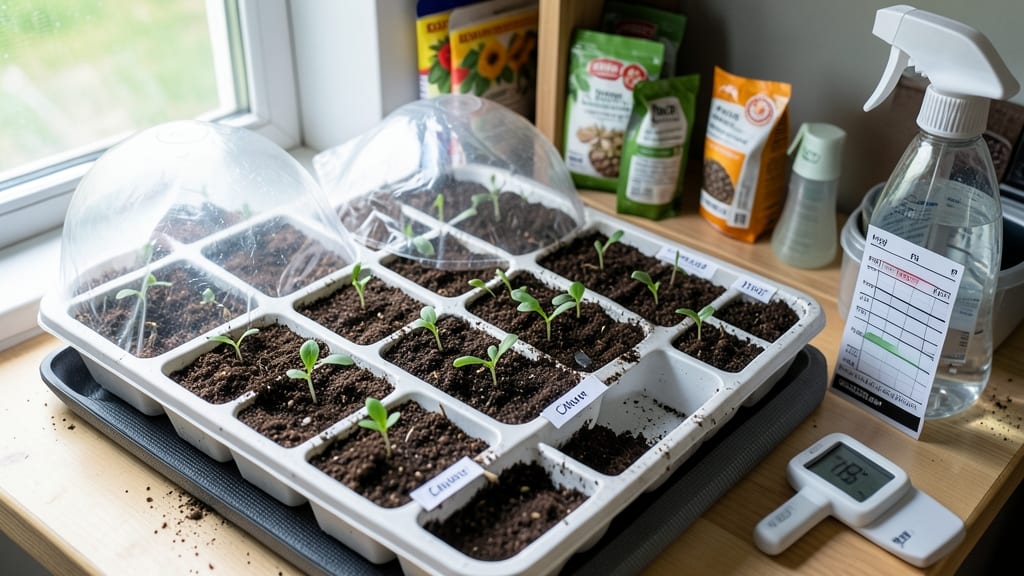
Struggling with seeds that refuse to sprout? The secret to faster germination often lies in precise temperature control—but most gardeners get it wrong. Too cold, and seeds sit idle; too hot, and they rot before breaking through the soil.
Even a 5-degree difference can mean the difference between a lush garden and wasted effort.
Whether you're growing cool-season veggies like lettuce (50-70°F) or heat-loving peppers (80-95°F), each plant has its own sweet spot. I’ll break down the exact ranges you need, plus how to dial in the perfect conditions at home—no guesswork required.
You’ll also learn how to troubleshoot slow starts, fix common mistakes, and adapt your setup for indoor vs. outdoor sowing. By the end, you’ll know exactly how to give your seeds the warmth they crave for fast, reliable sprouts every time.


Optimal seed germination temperature ranges by plant type
Understanding seed germination temperatures is the key to unlocking faster, more reliable sprouting. Every seed has an ideal heat range that triggers enzymatic activity inside the seed coat, breaking dormancy and encouraging root growth. Too cold, and enzymes become sluggish.
Too hot, and they denature—both scenarios lead to failed germination. The good news? Most common garden plants fall into just three broad temperature categories, making it easier than you think to create perfect conditions.
For cool-season crops like lettuce, spinach, and peas, the magic happens between 50-70°F. These plants evolved in temperate climates where spring and fall temperatures hover in this range. The enzymatic processes that break down stored nutrients in the seed function optimally within this zone.
Below 50°F, germination slows dramatically, while temperatures above 75°F can trigger bolting (premature flowering) in leafy greens. This is why many gardeners start cool-season seeds indoors in early spring—indoor heat sources can maintain that sweet spot while outdoor soils are still too cold.
Warm-season crops like tomatoes, peppers, and cucumbers thrive in 70-90°F ranges because their native habitats are hotter. At these temperatures, the seeds' respiration rates increase, allowing them to metabolize stored energy faster.
This is why you'll often see gardeners use seedling heat mats to jumpstart warm-season plants in early spring. Without this boost, seeds may take weeks—or never—sprout. Interestingly, some warm-season plants like okra can even germinate in soil temperatures above 100°F, though this is rare for most gardeners.
The third category—tropical plants—requires 80-95°F to break dormancy. These seeds often come from regions where high humidity and consistent warmth are the norm. Without replicating these conditions, tropical plants like orchids or ginger may rot before sprouting.
This is why many tropical seeds are sold as tissue cultures rather than dry seeds—they're simply too finicky for average home germination setups. Even with the right temperature, you'll need to maintain high humidity levels (70% or above) to prevent seed desiccation.
Here's where things get tricky: seed packet instructions often only list the ideal temperature range, but they rarely explain why that range works. For example, carrot seeds germinate best at 65-75°F, but they'll also tolerate cooler soils if kept consistently moist. The difference?
At cooler temps, their metabolic processes slow down, which is why carrot seeds sometimes take 2-3 weeks to sprout compared to 5-7 days in optimal conditions. This patience pays off—once they break through, carrots establish strong root systems that tolerate cooler growing seasons.
One common misconception is that all seeds need warmth to germinate. In reality, some seeds—like those from winter ryegrass—germinate best in 40-50°F conditions. These cold-hardy varieties have evolved to sprout in early spring when soils are still chilly.
The secret? Their seed coats contain natural dormancy-breaking compounds that activate in cool, moist conditions. Understanding these exceptions can help you extend your growing season by sowing certain crops earlier than traditional wisdom suggests.
Temperature also plays a hidden role in seedling vigor. While a seed might sprout at the lower end of its range (e.g., 50°F for lettuce), the resulting seedlings will be weak and leggy compared to those germinated at the optimal 65°F.
This is because photosynthesis and chlorophyll production are temperature-dependent processes. Weak seedlings are more susceptible to damping-off disease and struggle to compete with weeds. For this reason, I always recommend using heat mats or greenhouse setups for seeds that require precise temperature control.
Seasonal timing matters too. In northern climates, cool-season crops can be sown directly into garden beds in early spring when soil temperatures reach 50°F.
But in southern regions, those same seeds might rot if planted too early because daytime heat can cause soil temperatures to spike above 80°F—well beyond the safe zone. The solution? Use a soil thermometer to check temperatures before sowing.
Most garden centers sell them for under $10, and they're one of the best investments for seed starters.
Finally, remember that consistency is critical
How to create perfect germination conditions at home
Creating the ideal seed germination temps at home can transform your seed-starting success rate from hit-or-miss to consistently strong. Many gardeners overlook how critical temperature control is—even a 5°F difference can delay sprouting by days or prevent it entirely.
The good news? With the right tools and setup, you can mimic professional greenhouse conditions without breaking the bank.
Whether you're growing cool-season crops like lettuce or heat-loving tomato seeds, maintaining precise temperatures is key. Indoor germination often requires more effort than outdoor sowing, but the payoff—earlier harvests and stronger seedlings—makes it worth the investment. Let's explore practical ways to create that perfect germination environment at home.
- Use a seedling heat mat (70-85°F range) for warm-season seeds like peppers and cucumbers.
- Create a DIY greenhouse with clear plastic domes or zip-top bags to trap warmth and humidity.
- Place trays near south-facing windows or under grow lights to maintain consistent temps.
- Monitor soil temps with a thermometer—ideal range is 65-85°F for most seeds.
- Avoid drafts by keeping seedlings away from AC vents or open windows.
For indoor germination, a seedling heat mat is one of the most effective tools. These electric mats sit under your seed trays and maintain a steady 70-85°F range, perfect for warm-season crops.
Pair it with a clear plastic dome or humidity tent to create a mini greenhouse effect. Remember, moisture and warmth work hand-in-hand—dry soil can't absorb heat efficiently, so keep your growing medium lightly moist.
If you're germinating outdoors, timing is everything. Spring sowing often benefits from waiting until soil temps reach 60°F or higher—use a soil thermometer to check. For cool-season crops, you can start seeds indoors 4-6 weeks before the last frost, then transplant when nighttime temps stabilize above 50°F.
Outdoor conditions are less controllable, but proper timing can still give you an edge over seeds planted too early or late.
Troubleshooting temperature issues is simpler than you think. If your seeds aren't sprouting, check for inconsistent heat sources—like moving trays between cold and warm spots. A drafty windowsill or sudden temperature drops can shock seeds into dormancy.
For stubborn seeds, try the paper towel method: place seeds between damp paper towels in a sealed bag at 75°F for 24-48 hours to kickstart germination before transplanting.
With these strategies, you'll create an environment where your seeds feel right at home—ready to break through the soil and start growing strong. The key is consistency: whether indoors or out, keeping those seed germination temps stable will give your seedlings the best possible start. Happy growing! 🌱