
Companion Plants
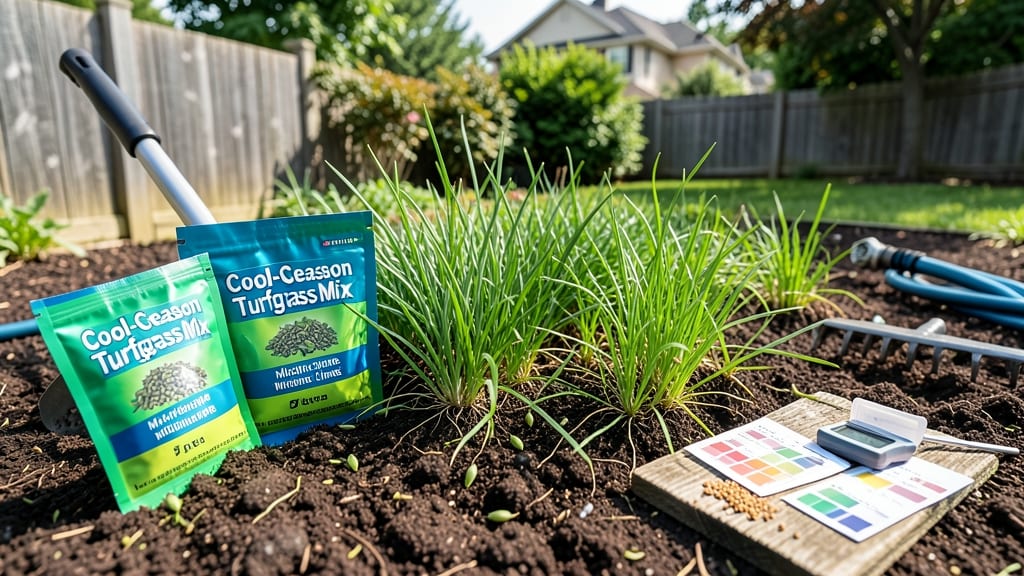
Planting grass seed in Michigan at the right time ensures strong root growth before summer heat or winter frost sets in — aim for early spring or early fall when soil temperatures are ideal.
Timing your grass seed planting can mean the difference between a lush green lawn and months of frustration — get it wrong, and frost or heat will sabotage your efforts before they even begin.
In USDA Zones 5b-6b, the window is narrow: too early, and seedlings won’t survive cold snaps; too late, and summer drought stalls germination.
Cool-season grasses like Kentucky bluegrass and fescue thrive when planted 4-6 weeks before the average last frost date (mid-April in most of Michigan) or in early fall before temperatures dip below 50°F.
Warmer-season grasses, while less common here, need even more precision — but most Michigan lawns stick with the cool-season varieties that handle our climate.
Below, I’ll break down the exact frost-free deadlines by region, how to check soil temperature, and the best grass seed types for Michigan’s unpredictable spring weather. You’ll also find troubleshooting tips for late frosts and regional adjustments to keep your lawn on track.
Michigan’s ideal grass seed planting windows by hardiness Zone
Timing your grass seed planting in Michigan depends heavily on your USDA hardiness zone and the last frost dates in your region. Michigan spans three zones: the Upper Peninsula (Zone 4), Northern Lower Peninsula (Zone 5), and Southern Lower Peninsula (Zone 6).
Each zone has unique frost-free windows that determine the best times to plant cool-season grasses like Kentucky bluegrass and fescue.
Cool-season grasses thrive when planted in early spring or early fall, avoiding the extreme heat of summer or the frozen ground of winter. The key is planting 4-6 weeks before your average last frost in spring or 4-6 weeks before the first frost in fall.
This gives seedlings enough time to establish roots before harsh weather arrives.
Soil temperature also plays a critical role. For cool-season grasses, the ideal soil temperature is 50-65°F (10-18°C). If you plant too early, cold soil can stunt root growth, while planting too late may expose young grass to summer heat stress.
Let’s break down the best planting windows for each zone.
In Zone 4 (Upper Peninsula), the growing season is shorter, so aim to plant grass seed between late April and early May. This gives seedlings time to establish before the May 15 frost-free deadline.
For fall planting, mid-August to early September is ideal, ending 6 weeks before the October 10 first frost.
For Zone 5 (Northern Lower Peninsula), you have a slightly longer window. Plant in early April to mid-May, ensuring soil temperatures reach 50-65°F (10-18°C). Fall planting should occur between late August and mid-September, finishing before the October 5 first frost.
This zone benefits from a 10-day longer growing season than Zone 4.
In Zone 6 (Southern Lower Peninsula), the mildest climate in Michigan, you can start planting as early as mid-March. However, wait until soil temperatures are consistently 55-65°F (13-18°C) to avoid stunted growth.
Fall planting extends into early October, with a October 15 first frost deadline. This zone offers the most flexibility but requires vigilance against late-season heat.
If you’re unsure about your exact frost dates, check the Michigan State University Extension website for localized data. They provide county-specific frost maps and soil temperature guides tailored to Michigan’s microclimates. Adjust your planting schedule if you experience unusually early or late frosts in your area.
Pro tip: Use a soil thermometer to confirm temperatures before planting. If soil is too cold, wait a few days or use row covers to protect young seedlings. In Zone 4, this is especially critical due to the shorter growing season.
For best results, prepare your soil in advance by removing weeds, tilling, and amending with compost. This ensures your grass seed has the nutrients it needs to germinate quickly and establish a strong root system before winter arrives.
How to check soil temperature and frost dates for perfect timing
Planting grass seed in Michigan requires precise timing—soil temperature and frost dates dictate whether your seeds will thrive or fail. Cool-season grasses like Kentucky bluegrass and tall fescue need 50–60°F soil temps to germinate, while warm-season types (like bermudagrass) prefer 65°F+.
Without checking, you risk planting too early (frost damage) or too late (heat stress).
Michigan’s frost-free dates vary by zone: Zone 4 (Upper Peninsula) averages May 15, while Zone 6 (southern Lower Peninsula) sees frost-free conditions by April 15. Always verify using the Michigan State University Extension’s frost maps—a 2-week window before the last frost is ideal for spring planting.
⚠️ WARNING: Late frosts can still hit Michigan in May! Even after the average frost date, unpredictable cold snaps occur. If your soil thermometer reads below 50°F or forecasts show 32°F+ temps in 5–7 days, delay planting. Use row covers or wait for warmer conditions to protect young seedlings.
A soil thermometer (not air temp!) is your best tool. Insert it 2 inches deep in the soil (where seeds will germinate) and check readings morning and evening.
For spring, aim for 50–60°F consistently for 3–5 days before planting. In fall, shoot for 55–65°F to allow roots to establish before winter dormancy.
For fall planting (another great window in Michigan), time it 4–6 weeks before the first frost. This gives seeds time to germinate and grow a 3–4 inch root system before cold sets in.
Use the USDA Plant Hardiness Zone Map to cross-check: Zone 5 (northern Lower Peninsula) typically has a first frost around October 10, while Zone 6 holds off until October 25.
Extend your planting window with protective measures. If frost threatens, cover seedlings with frost blankets or burlap sacks at night. For early spring, use black plastic mulch to warm soil faster—it can raise temps by 5–10°F. Always remove covers during the day to avoid overheating or moisture buildup.
Pro tip: Bookmark the Midwestern Regional Climate Center’s frost probability tool for real-time updates. Combine soil temp data with frost forecasts, and you’ll nail the perfect planting window—no guesswork, just a thriving lawn come summer.