
Propagation
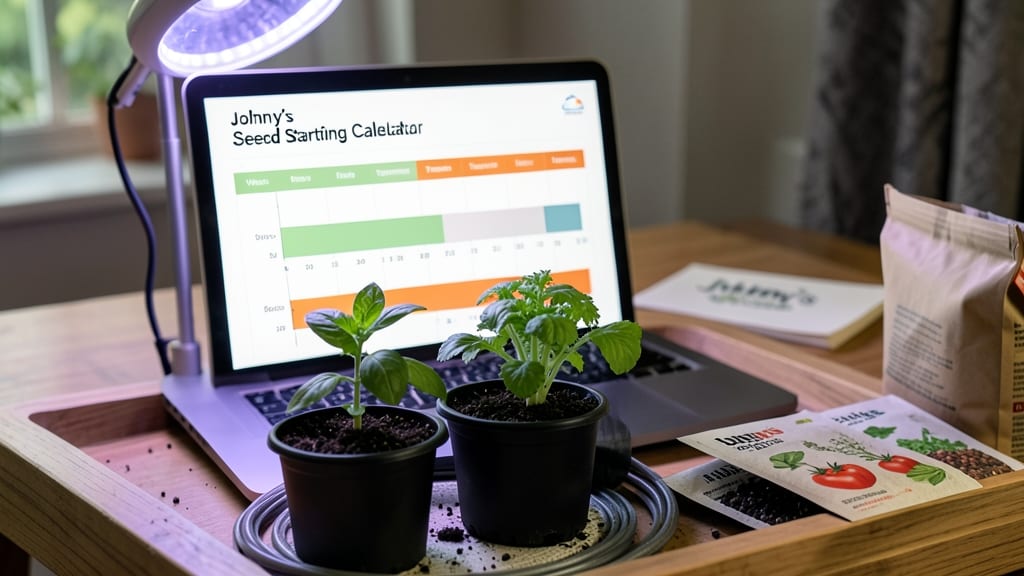
Johnny’s seed-starting calculator takes the guesswork out of timing—because nothing’s worse than seedlings outgrowing their pots or frost catching your transplants. 🌱 I’ve used it for five seasons now, and it’s saved me from more than a few "oops" moments with my basil and tomatoes.
The tool factors in your zone, last frost date, and plant maturity to give you exact indoor start dates and transplant windows.
All you need is your zip code, a list of what you want to grow, and a basic understanding of days to maturity (which Johnny’s provides). No fancy equipment—just a seed tray, grow lights, and a calendar.
The calculator handles the rest, spitting out deadlines that keep your seedlings at the perfect size for transplanting. Even my black thumb can’t mess this up.
You’ll end up with lush, sturdy seedlings ready to hit the garden at exactly the right moment—no more leggy, overcrowded trays or plants struggling to establish. The peace of mind alone is worth it, but the harvest?
That’s the real payoff: bigger, healthier plants that produce like crazy. Here’s how to use it step by step.
Works for everything from tomatoes to snapdragons, and adjusts for early or late starts based on your goals. Whether you’re a first-timer or a seasoned grower, this tool levels the playing field. Let’s get those seeds in the ground at the perfect time.
📚 In This Guide
- What you need
- Instructions
- Tips and common mistakes
- Wrapping up and next steps
What you need
- ● Seeds: Choose high-quality, zone-appropriate seeds (Johnny’s Seed Selector can help!).
- ● Seed trays or pots: 2–4" deep, with drainage holes (biodegradable or plastic). Quantity: 1 tray per 50–100 seeds (adjust based on spacing).
- ● Seed-starting mix: Lightweight, sterile, and peat-free or coco-based (avoid garden soil!). Quantity: 1–2 cubic feet per 50–100 seeds.
- ● Grow lights or sunny windowsill: Full-spectrum LED lights (12–16 hrs/day) or a south-facing window (6+ hrs of sunlight).
- ○ Heat mat (optional but helpful): For warm-season crops (70–75°F bottom heat).
- ● Misting bottle or spray nozzle: For gentle watering to avoid disturbing seeds.
- ● Humidity dome or plastic wrap: To retain moisture (remove once sprouts appear).
- ● Labels & marker: To track seed varieties and planting dates.
- ● pH testing kit: Ensure your mix is slightly acidic (5.8–6.2 pH).
- ● Fertilizer (low-dose): Water-soluble, balanced formula (5-5-5 or 10-10-10) for seedlings.
- ● Thermometer/hygrometer: Monitor temperature and humidity for optimal growth.
- ● Seedling heaters or fans: For ventilation and preventing damping-off.
- ● Transplanting trays or peat pots: If hardening off before outdoor planting.
How to use Johnny's seed starting calculator for perfect timing
Get your seedlings ready just in time for transplanting—no more rushed starts or late-season struggles.
💻 Step 1: Enter Your Planting Zone and Last Frost Date
Start by plugging in your USDA Planting Zone (find it by ZIP code on Johnny's website). This tells the calculator exactly how many weeks you have before your average last frost date. For example, if you're in Zone 5, you'll see a countdown to mid-May—this is your hard deadline for transplanting.
Double-check your frost date with local records or gardeners in your area. A neighbor's yard might have a microclimate that's 1-2 weeks earlier than official records. The calculator can't account for that, so adjust if you know your spring arrives early.
☀️ Step 2: Select Your Plants and Days to Maturity
Pick the plants you want to grow from seed, then enter their days to maturity (found on seed packets). For instance, tomatoes might take 80 days to fruit, while basil matures in 30-45 days. The calculator then works backward to tell you when to start seeds so they're ready at the right time.
Here's the thing—if you're growing cool-season crops like lettuce or peas, you'll want to start them 4-6 weeks before your last frost. Warm-season plants like peppers and eggplants need 8-12 weeks of indoor growing time. The calculator handles this automatically, but I always cross-check with my local growing guide.
⏰ Step 3: Adjust for Your Seed Starting Conditions
Tell the calculator whether you're using grow lights or a sunny windowsill, and whether you'll be hardening off seedlings before transplanting. Grow lights let you start seeds 2-3 weeks earlier than a windowsill because you control the light cycle. Hardening off adds 1-2 weeks to your timeline, so factor that in if you're new to seed starting.
If you're in a high-altitude zone, the calculator accounts for cooler soil temperatures that slow germination. For example, Zone 6 at 5,000 feet might need seeds started 10 days earlier than sea-level Zone 6. Always trust the calculator's altitude-adjusted deadlines—it's based on real data.
📅 Step 4: Generate Your Customized Seed Starting Schedule
The calculator spits out a week-by-week plan with exact dates for sowing each variety. For example, you might see: "Start tomato seeds February 15, transplant April 1." This is your non-negotiable timeline—missing these dates means risking weak seedlings or bolting plants.
Print or save this schedule and stick it on your fridge. I like to highlight the critical weeks (like the last chance to start certain crops) in yellow. This way, if life gets busy, you'll still know exactly when to act.
🌱 Step 5: Monitor and Adjust for Real-Time Conditions
Use the calculator's transplanting date as your target, but stay flexible. If your seedlings grow faster than expected (thanks to perfect light and warmth), you might need to transplant early. Conversely, if cooler-than-average nights slow growth, delay transplanting by a week.
Real talk: The calculator gives you a perfect starting point, but Mother Nature always has the final say. Keep an eye on your seedlings' progress and adjust as needed—this is where experience beats theory every time.
Tips & tricks for perfect seed starting timing
Avoid these common pitfalls—and watch your seedlings thrive like never before!
Zone Accuracy Matters: Don't rely solely on the calculator's default frost date. Check your local agricultural extension service or talk to neighboring gardeners—they often know when frost actually occurs in your microclimate. I once missed my transplant window because I trusted the calculator's Zone 6 date, but my yard's frost came two weeks early. Always verify with real-world data!
Plant Selection Strategy: The calculator handles the math, but here's the secret: group your plants by maturity timeline. Start all your 80-day tomatoes together, then your 45-day basil two weeks later. This prevents seedling chaos when you're trying to transplant everything at once. I color-code my schedule—red for long-season crops, green for short—so I can see my planting waves at a glance.
Lighting Upgrades: If you're using a sunny windowsill (not grow lights), rotate your seed trays daily so all sides get equal light. Windowsill seedlings often grow lopsided—this simple trick ensures even growth. For grow lights, keep them 2-4 inches above seedlings and adjust as they grow. Too close = leggy seedlings; too far = weak, etiolated plants.
Hardening Off Hack: Start hardening off your seedlings 7-10 days before transplanting (not the full 1-2 weeks some guides suggest). Begin with just 1 hour outside, then gradually increase. This gives you flexibility if your transplant date gets pushed back by weather. I keep a hardening-off log to track progress—it's amazing how quickly seedlings adapt!
Pro Tips for Johnnys Seed Starting Calculator
- Avoid these common pitfalls—and watch your seedlings thrive like never before!
- Zone Accuracy Matters: Don't rely solely on the calculator's default frost date.
- Plant Selection Strategy: The calculator handles the math, but here's the secret: group your plants by maturity timeline.
Frequently asked questions
Got questions about using Johnny’s Seed Starting Calculator? Here are answers to the most common ones to help you plan like a pro!
Why does the calculator give different dates for my zone vs. my neighbor’s?
The calculator uses your specific USDA Hardiness Zone to determine frost dates and ideal transplant windows. Even neighboring areas can have slight differences in last frost timing—especially in transitional zones! Always double-check your zone for accuracy.
What if I miss the recommended start date?
Don’t panic! Some seeds (like lettuce or spinach) tolerate cooler temps and can be started later. For heat-loving plants (e.g., tomatoes or peppers), try using grow lights indoors to extend the season. Just adjust your transplant timeline accordingly.
Can I use this for indoor seed starting under grow lights?
The calculator accounts for indoor starts by providing earlier recommended dates. Just ensure your lights mimic sunlight (12–16 hours/day) and maintain consistent warmth (70–75°F). For tricky plants like broccoli, follow the "Indoor Start" column.
Why does the calculator suggest different soil temps for some seeds?
Some seeds (like beans or squash) need warmer soil (70–85°F) to germinate, while others (e.g., carrots) prefer cooler soil (60–70°F). The calculator flags these needs to prevent poor germination. Use a soil thermometer if you’re unsure!
What’s the best way to troubleshoot slow germination?
Check these first:
- Moisture: Keep soil damp (not soggy) with a spray bottle.
- Temperature: Use a heat mat for slow starters like peppers.
- Depth: Some seeds (e.g., petunias) need light to germinate—plant shallow!
- Freshness: Old seeds may need a soak in warm water.
Wrapping up and next steps
Mastering seed-starting timing with Johnny’s Seed Starting Calculator ensures your garden thrives—no guesswork, just perfectly planned growth! By inputting your zone, last frost date, and plant type, you unlock zone-specific deadlines tailored to your climate.
Whether you're a seasoned gardener or just starting, this tool removes the stress and sets you up for success.
Ready to turn those seeds into a lush harvest? Download the calculator today, jot down your deadlines, and get sowing! 🌱 Your future garden will thank you.