
Plants
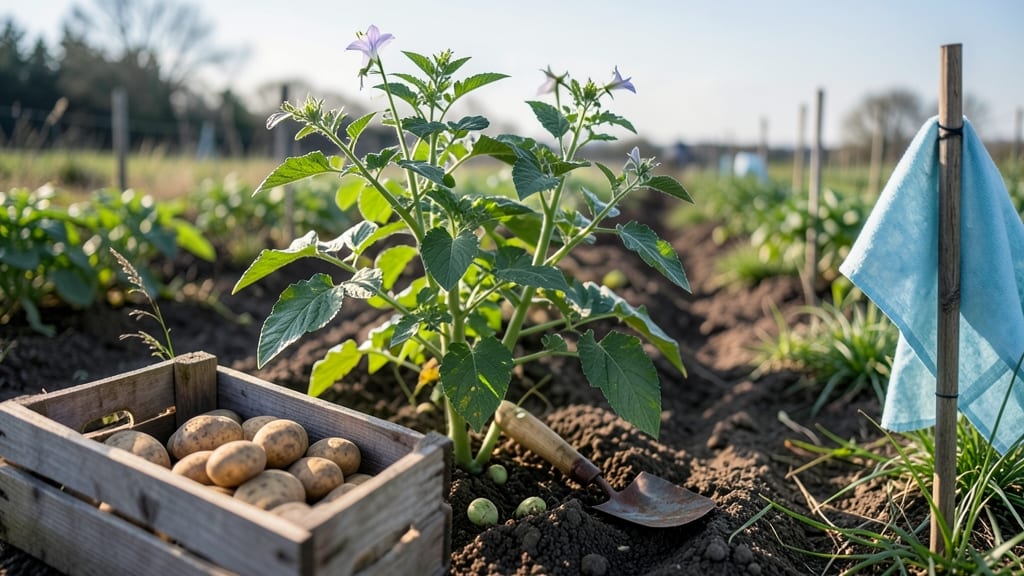
Planting seed potatoes in Michigan means timing them 4-6 weeks before your last frost—a window that shifts from late March in southern zones to mid-April up north.
Miss that mark, and you risk frost-nipped sprouts or a season too short for tubers to mature. But nail it, and you’ll pull crisp, golden potatoes from the soil by late summer—no small feat in Michigan’s unpredictable climate.
This guide breaks down the exact frost-free windows by USDA zone, the best varieties for your region, and how to tweak your schedule if spring drags its feet.
You’ll learn how to prep soil, space potatoes for maximum yield, and even extend your harvest with simple tricks like row covers or succession planting.
Michigan’s frost-free planting zones for seed potatoes (2024 guide)
Michigan’s USDA hardiness zones 4-6 create unique challenges for growing seed potatoes. The key to success lies in planting at the right time—when soil temperatures hit 45°F (7°C) and frost risk has passed.
In northern Michigan (Zone 4), you’ll need to plant earlier than southern regions (Zone 6) to maximize your 90-day growing season before the first frost hits in mid-October.
Timing isn’t just about avoiding frost—it’s also about giving your potatoes enough time to mature. Early varieties like 'Yukon Gold' can be planted as soon as the soil is workable, while late varieties like 'Russet Burbank' need a longer season.
The last frost date varies dramatically across Michigan, from mid-April in the south to early May in the north, so knowing your exact zone is critical.
Here’s a quick reference for soil temperature thresholds and planting windows by zone. Remember, these are general guidelines—always check your local Michigan State University Extension frost dates for precision.
| USDA Zone | Planting Window | Soil Temp Threshold | Last Frost Date | Best Varieties |
|---|---|---|---|---|
| Zone 4 (Northern MI) | Late April - Early May | 45°F (7°C) | Early May | Early: 'Red LaSoda', 'Kennebec' |
| Zone 5 (Central MI) | Mid-April - Late April | 45°F (7°C) | Mid-April | Mid: 'Yukon Gold', 'German Butterball' |
| Zone 6 (Southern MI) | Late March - Mid-April | 45°F (7°C) | Late April | Late: 'Russet Burbank', 'Sweetheart' |
For Zone 4 gardeners, the window is tight—you’ll want to focus on early-maturing varieties that can reach harvest before the first frost in mid-October. In Zone 5, you have a bit more flexibility, making it ideal for mid-season varieties that balance yield and maturity.
Meanwhile, Zone 6 gardeners can even experiment with late varieties if they’re willing to use row covers or cold frames to extend the season.
One common mistake is planting too early when the soil is still cold. Potatoes won’t sprout until the soil reaches 45°F (7°C), and planting in cold soil can lead to rot or poor germination.
Use a soil thermometer to check temperatures before planting. If your soil is still too cold, hold off for a week or two—your potatoes will thank you with stronger, healthier growth.
Another pro tip: chit your seed potatoes before planting. Chitting (pre-sprouting) gives your potatoes a head start, which is especially helpful in Michigan’s short growing season. Simply place your seed potatoes in a cool, bright spot (like a sunny windowsill) for 3-4 weeks before planting.
Look for 1-inch sprouts before you plant—they’ll emerge faster and more uniformly in your garden.
Don’t forget about succession planting if you want a continuous harvest. In Zone 6, you can plant early varieties in late March and late varieties in mid-April to stagger your harvest from late June through September.
This technique works well even in Zone 5, though you’ll need to prioritize early varieties for the best results.
If you’re in a northern Michigan zone (4) and worried about a late frost, consider using row covers or cold frames to protect your young plants. These tools can push your planting window back by 2-3 weeks, giving you more flexibility to choose varieties that suit your taste.
Just remember to remove covers once flowers appear to allow pollination.
Finally, always keep an eye on the weather forecast in the days leading up to your planting date. A sudden cold snap can delay your progress, but with the right preparation, you’ll be well on your way to a bountiful potato harvest by late summer. Happy planting! 🌱
Best seed potato varieties for Michigan’s short growing season
Michigan’s cool, short growing season demands potato varieties that mature quickly while thriving in USDA zones 4-6. The right choice can mean the difference between a meager harvest and a bountiful yield.
Early varieties are your best bet for northern regions, while mid-season types work well in southern Michigan. Let’s dive into the top performers categorized by maturity, so you can pick the perfect spud for your garden.
For early harvests (60-90 days), prioritize disease-resistant varieties like ‘Yukon Gold’ or ‘Red Norland’. These high-yielding potatoes tolerate Michigan’s cool springs and humid summers better than late varieties.
Plant them in late March to early April to avoid frost damage while ensuring tubers mature before the first frost in October. Southern Michigan gardeners can push planting to mid-April for slightly later varieties.
-
1. Early Varieties (60-90 days)
‘Yukon Gold’ – Creamy flesh, disease-resistant, ideal for northern Michigan. -
2. Mid-Season (90-110 days)
‘Kennebec’ – High yield, stores well, perfect for southern Michigan. -
3. Late Varieties (110-130 days)
‘Russet Burbank’ – Large tubers, needs longer season (best in southern Michigan). -
4. Disease-Resistant Picks
‘Red LaSoda’ – Blight-resistant, great for humid summers. -
5. Storage Champions
‘Katahdin’ – Long storage life, tough skin for Michigan winters.
If you’re in northern Michigan (USDA zone 4-5), stick to early-maturing varieties like ‘Red Norland’ or ‘Chieftain’. These varieties tolerate cooler soils and shorter days, ensuring a harvest before early frosts. Plant them 4-6 weeks before your last frost date, typically by mid-April.
For southern Michigan (USDA zone 6), you can extend your window to include mid-season varieties like ‘Kennebec’ or ‘Pontiac’, which thrive with a slightly longer growing season.
Disease resistance is non-negotiable in Michigan’s humid climate. Varieties like ‘LaRouge’ or ‘Red LaSoda’ are bred to resist late blight, a common issue in Michigan gardens.
These varieties also handle variable weather better, giving you a more reliable harvest. Always choose certified seed potatoes to avoid introducing diseases into your garden.
For maximum yield, pair your variety choice with proper planting timing. Early varieties should go in the ground as soon as soil reaches 45°F (7°C), while mid-season types can wait until mid-April.
Use row covers if late frosts threaten, and hill soil around stems as plants grow to encourage larger tubers. With the right variety and timing, you’ll enjoy homegrown potatoes from late June through September.
Don’t overlook storage potential when selecting varieties. If you plan to keep potatoes through winter, choose long-storing types like ‘Katahdin’ or ‘Russet Burbank’. These varieties hold up well in cool, dark conditions, making them ideal for Michigan’s winters.
Store them in a 50-60°F (10-15°C) environment with high humidity to prevent sprouting or shriveling.
Ready to plant? Grab your certified seed potatoes, mark your calendar for late March to mid-April, and choose the variety that fits your growing zone and goals. With these top picks, you’ll be feasting on fresh, homegrown spuds all season long! 🥔