
Plants
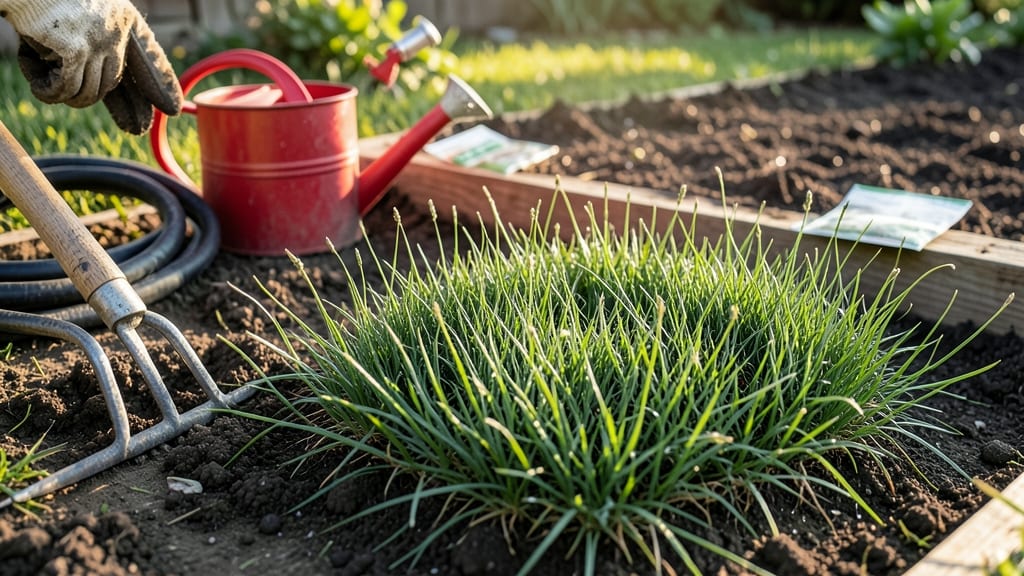
Planting grass seed in Missouri in spring means timing it right—soil temps between 50°F and 65°F and avoiding late frosts are the keys to a lush lawn.
Missouri’s unpredictable spring weather can turn your grass-seeding plans into a gamble—unless you know the exact soil temperature and frost-free window for success.
Cool-season grasses like Kentucky Bluegrass thrive when planted in early spring (March–April), while warm-season types like Bermuda prefer late spring (May). Soil thermometers and local frost data are your best friends here.
Below, I break down the ideal planting windows by Missouri region, soil prep tips, and how to keep your new grass from becoming a frost casualty.
Missouri’s ideal soil temperature for planting grass seed in spring
Timing your grass seed planting in Missouri isn’t just about avoiding frost—it’s about hitting the perfect soil temperature for germination. Cool-season grasses like Kentucky Bluegrass and Tall Fescue thrive when soil reaches 50°F–60°F, while warm-season varieties like Bermuda Grass need 65°F–75°F.
Missouri’s spring soil warms unevenly, so testing is critical to avoid wasted seed or stunted growth.
Most Missouri gardeners plant grass seed in March or April, but soil temperatures can lag behind air temperatures by weeks. For example, St. Louis may hit 55°F soil temps by mid-March, while northern regions like Kansas City might not reach this until early April.
Warm-season grasses should wait until late May or June when soil consistently stays above 65°F.
Here’s how to test your soil temperature accurately: Use a soil thermometer (available for under $10) and check 2 inches deep—this is where seeds will germinate. Take readings in the morning (soil is cooler) and evening (warmer) to account for daily fluctuations.
If your soil is below 50°F, wait 1–2 weeks before planting cool-season grasses.
Missouri’s clay-heavy soils retain cold longer, so amend with compost or sand to warm up faster. In southern Missouri (USDA Zone 7a), you can plant as early as late February, but northern areas (Zone 5b) should delay until mid-April to avoid frost damage to tender seedlings.
| Grass Type | Ideal Soil Temp | Missouri Planting Window | Key Notes |
|---|---|---|---|
| Cool-Season (Kentucky Bluegrass, Tall Fescue, Ryegrass) | 50°F–65°F | Mid-March to early May | Germinates in 7–21 days; avoid planting if night temps drop below 40°F. |
| Warm-Season (Bermuda, Zoysia, Buffalo) | 65°F–75°F | Late May to June | Slow to establish; wait until soil stays warm consistently. |
| Fine Fescue (Shade-Tolerant) | 45°F–60°F | Early March to early April | Best for northern MO; thrives in cooler, shadier spots. |
| All Grass Types | Avoid planting if soil <50°F or >80°F | N/A | Extreme temps cause poor germination or seed death. |
If you’re planting in early spring, cover seeds with lightweight straw mulch to retain heat and protect against late frosts. For warm-season grasses, wait until nighttime lows stay above 60°F—this usually aligns with Memorial Day weekend in most of Missouri.
Pro tip: Check the Missouri State Climatologist’s frost data for your county to refine your timeline.
Overwatering after planting can leach heat from the soil, delaying germination. Water lightly daily (just enough to keep soil moist) until seeds sprout, then increase to 1–1.5 inches per week.
Use a sprinkler with fine mist to avoid displacing seeds. In Missouri’s humid springs, this prevents fungal diseases like damping-off, which can wipe out seedlings in days.
Missouri’s microclimates matter—southern slopes warm faster than shaded yards. If your lawn has partial shade, choose fine fescue blends, which germinate at 45°F–60°F. For sunny areas, Tall Fescue or Kentucky Bluegrass are better suited to Missouri’s hot summers and cold winters.
Don’t rely on air temperature alone—soil thermometers are your best tool. For example, a 70°F day in April might still hide 55°F soil, which is too cool for warm-season grasses.
Test for 3 consecutive days at the target temperature before planting to ensure success. Patience here saves money and effort in the long run.
Once your soil hits the ideal range, plant seeds ¼ inch deep and cover with a thin layer of peat moss or compost to retain moisture. Lightly rake to ensure seed-to-soil contact, then water gently.
In Missouri’s variable spring weather, this method gives seeds the best chance to establish before summer heat arrives.
🌱
Missouri’s frost-free timeline: when to plant grass seed by region
Timing your grass seed planting in Missouri depends heavily on your local frost-free dates and microclimate risks. While the state averages 165-200 frost-free days, late snow or cold snaps can push back your ideal window.
Southern Missouri enjoys earlier springs, while northern areas often face delays. Understanding these regional differences ensures your cool-season grasses (like Kentucky Bluegrass) thrive without frost damage.
Missouri’s five distinct climate zones create varied planting windows. For example, St. Louis typically sees its last frost by March 15, while Kansas City may wait until April 1.
Always monitor soil temperatures (aim for 50°F–65°F) and local forecasts for late-season cold snaps, which can occur as late as May 10** in some areas.
For cool-season grasses, plant 4–6 weeks before your region’s last frost date. This gives seedlings time to establish roots before summer heat. For example, in St. Louis, aim for late March, while Kansas City gardeners should wait until mid-April.
Always test soil moisture—dry conditions can delay germination even if temperatures are ideal.
Missouri’s northern regions face higher frost risks, so consider late-spring planting (May) if early efforts fail. Use row covers or mulch to protect young seedlings from unexpected cold snaps. Southern Missouri’s milder climate allows for earlier planting, but even here, monitor nighttime temperatures—they can drop below freezing unexpectedly.
Pro tip: Check the National Weather Service or local Missouri Climate Center for 30-day forecasts before planting. If late-season snow is predicted, delay seeding by 2–3 weeks to avoid burying or damaging your newly sown grass. Patience here pays off—well-timed planting means thicker, healthier lawns by summer.
Remember, warm-season grasses (like Bermuda) should wait until after Memorial Day when soil temps consistently stay above 65°F. Mixing up your grass seed types can also extend your planting window—cool-season blends tolerate early springs, while warm-season varieties handle late summers.