
Plants
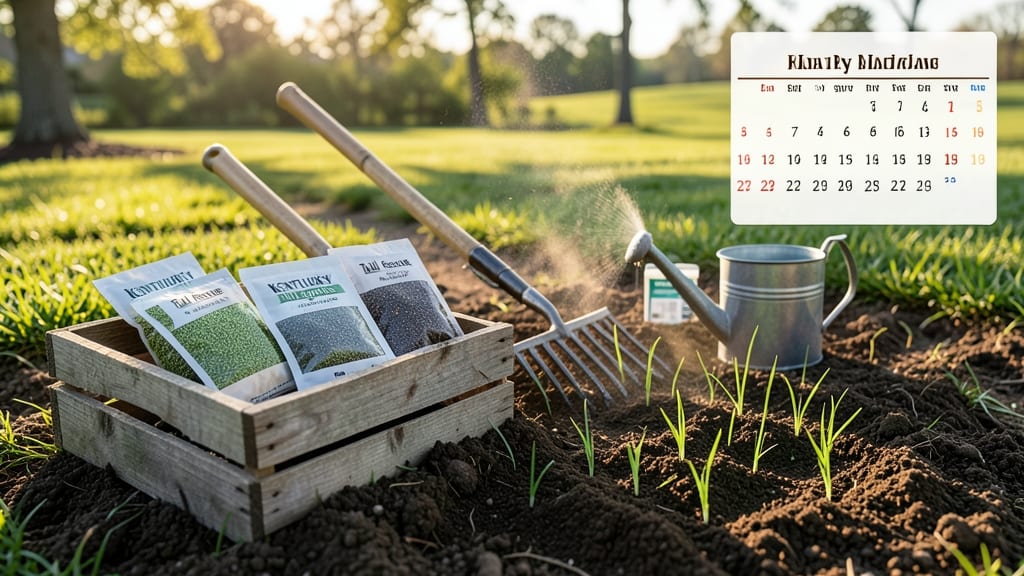
Planting grass seed in Missouri at the right time means the difference between a lush, green lawn and a patchy, weed-infested mess—especially when you’re working with cool-season turfgrass 🌱.
Missouri’s unpredictable spring and fall weather can turn grass seeding into a high-stakes guessing game—plant too early and frost ruins your efforts, too late and weeds take over. But timing isn’t just about the calendar; it’s about soil temperatures, microclimates, and Missouri’s distinct planting zones.
For most of the state (USDA zones 5b-6a), the ideal window is early fall (September-October) or early spring (March-April), when soil temps hover between 50-65°F—perfect for germination. But push those dates too far, and you risk drought stress or frost damage.
Below, I break down the exact month-by-month timeline, soil prep secrets, and how to adjust for Missouri’s tricky microclimates—so you can finally get that thick, weed-free lawn you’ve been dreaming of.
Missouri grass planting zones & ideal soil temperatures for cool-season grasses
Missouri spans USDA hardiness zones 5a through 7a, creating distinct microclimates that affect when you should plant grass seed. Northern Missouri (zones 5a-5b) has shorter growing seasons, while southern Missouri (zones 6a-7a) enjoys longer springs and falls.
Cool-season grasses like Kentucky bluegrass and tall fescue thrive in these zones, but timing is everything—soil temperatures below 50°F can stall germination.
For successful germination, aim for soil temperatures between 50°F and 65°F (10°C–18°C). This range ensures seeds germinate quickly and roots establish before dormancy kicks in. In Missouri, northern regions may need to wait until late April or early May, while southern areas can start as early as mid-March.
Testing your soil’s temperature with a simple soil thermometer (available for $10–$15) removes the guesswork.
Here’s how Missouri’s zones break down for cool-season grass planting, including soil temperature thresholds and regional adjustments:
Cool-season grasses enter dormancy when soil temps drop below 40°F (4°C), which is why fall planting (6–8 weeks before frost) gives seeds time to germinate and establish roots before winter. In Missouri, this typically means September planting in northern zones and October in southern zones.
Spring planting should wait until soil temps consistently stay above 50°F for at least a week.
To test your soil’s readiness, use a soil thermometer inserted 2–3 inches deep (where seeds will germinate). Check temperatures at 10 AM and 4 PM for accuracy—early morning temps can be misleadingly low.
If your soil is too cold, wait 1–2 weeks or use a black plastic mulch to warm it faster (remove it before seeding to avoid seed burn).
Northern Missouri’s shorter frost-free season (150–180 days) demands earlier fall planting, while southern Missouri’s longer growing season (180–210 days) allows for more flexibility.
For example, in St. Louis (Zone 6b), you can plant as late as October 1st and still see strong germination, whereas in Kansas City (Zone 5b), September 15th is the safer cutoff.
Grass dormancy isn’t just about cold—it’s also tied to daylight hours. Cool-season grasses like Kentucky bluegrass grow best with 12–14 hours of daylight, which is why fall planting often outperforms spring.
In Missouri, daylight drops below 12 hours in late October, triggering dormancy. Planting too late in fall risks seeds germinating just before winter, leaving them vulnerable to frost damage.
Pro tip: If you’re in Zone 5a or 5b, consider winter ryegrass as a temporary cover crop. It germinates in cool soil (40°F) and suppresses weeds, giving your permanent grass a head start when spring arrives.
Just remove it before it seeds in early spring to avoid competition.
For urban lawns, pavement and buildings create "heat islands" that can raise soil temps by 5–10°F. Test multiple spots in your yard—soil near driveways may be ready 1–2 weeks earlier than shaded areas.
If you’re unsure, err on the side of caution: wait until soil hits 55°F for reliable germination.
Remember, cool-season grasses need 2–4 weeks to germinate and 6–12 months to fully establish. Planting at the right time ensures your lawn has time to mature before summer heat or winter frost stress it out.
With Missouri’s variable climate, nailing the soil temperature window is your best bet for a lush, weed-free lawn. 🌱
Best planting windows by month: Missouri’s two critical seasons explained
Missouri’s cool-season grasses thrive when planted during two critical windows: early fall and spring. These seasons offer the ideal soil temperatures (50-65°F) and moisture levels for germination. Fall planting often yields better success rates—up to 30% higher—because seedlings establish roots before winter dormancy.
Spring planting is riskier due to late frosts and summer heat stress.
Timing isn’t one-size-fits-all. Northern Missouri’s USDA Zone 5b has earlier frost dates than southern Zone 6a, shifting planting windows by 2-3 weeks. Below, I break down the month-by-month strategy, including red-flag weather warnings and prep steps to maximize your lawn’s potential.
- September (Best Month): Plant 4-6 weeks before first frost (avg. Oct 15). Soil temps drop to 60-65°F—perfect for germination. Aerate 1-2 days before seeding.
- October (Last Chance): Plant 2-3 weeks before frost. Use winter ryegrass mixes for cold tolerance. Mulch lightly (¼ inch) to retain moisture.
- March (Early Spring): Wait until soil temps hit 50°F+ (usually mid-March). Overseed thin lawns for quick recovery.
- April (Risky Window): Plant before May heatwaves. Shade cloth may help if temps exceed 80°F. Water daily for first 2 weeks.
Fall planting in September-October is my top recommendation for Missouri lawns. The cooler temps reduce weed competition, and consistent rainfall keeps soil moist. Start with aeration to loosen compacted soil—use a core aerator with ¼-inch tines.
Spread high-quality seed (e.g., tall fescue or Kentucky bluegrass) at 5-6 lbs per 1,000 sqft.
Spring planting demands vigilance. If you miss March, April can work—but only if you monitor forecasts for late frosts. Use a soil thermometer to confirm temps are stable above 50°F. Pre-emergent herbicide applied 2 weeks before seeding can block weeds.
Water lightly twice daily (morning/evening) until germination (7-14 days).
Missouri’s microclimates can shift planting windows by 10+ days. Urban areas stay 5°F warmer than rural zones, while river valleys may frost 2 weeks earlier.
Adjust by 1-2 weeks if your yard fits these extremes. For example, St. Louis (Zone 6a) can plant 2 weeks later than Kansas City (Zone 5b).
Pro tip: Test soil pH before planting—aim for 6.0-7.0. Apply lime if pH is below 6.0 or sulfur if above 7.0. A slow-release fertilizer (10-10-10) at planting time gives seedlings a 6-week nutrient boost without burning tender roots.
Missouri’s unpredictable weather means flexibility is key. If a heatwave hits in April or a cold snap delays September, don’t panic. Shade cloth or row covers can buy you 10-14 extra days in spring.
For fall, winter ryegrass mixes tolerate light frosts better than fescue. Always water deeply—1-1.5 inches per week—to encourage deep root growth.