
Plants
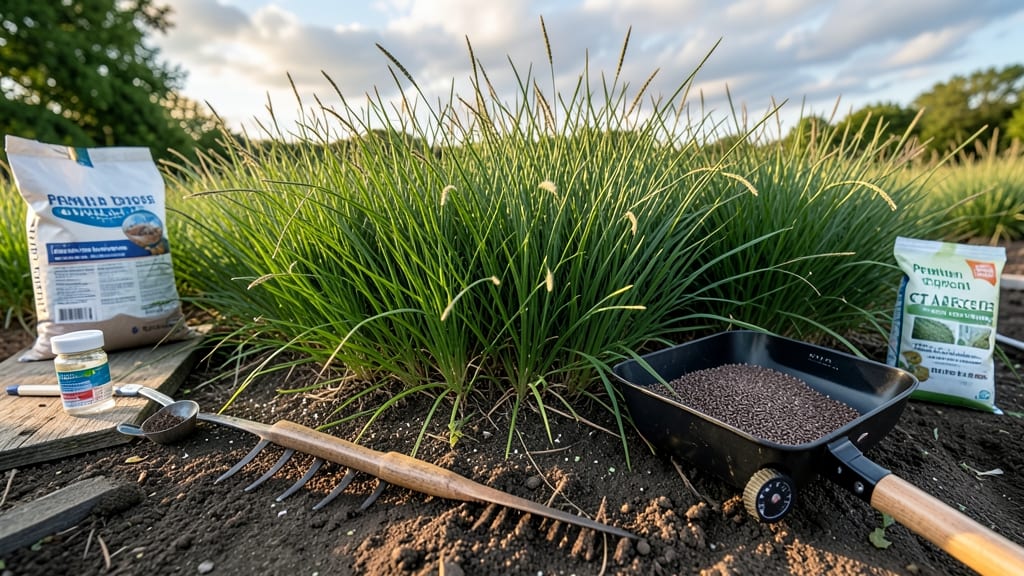
Planting grass seed in Connecticut’s fall window—between early September and mid-October—sets the stage for a thick, resilient lawn by leveraging cool weather and soil warmth.
Struggling to time your Connecticut lawn seeding perfectly? Planting grass seed too early or late in fall can mean the difference between a lush, thick lawn and a patchy, weak one—especially with CT’s unpredictable frost patterns.
In USDA Zone 6a, the sweet spot is when soil temps hover between 50°F and 65°F, giving seeds time to germinate before the first frost hits around October 20. Miss this window, and you risk stunted growth or winterkill.
Below, I break down the exact soil temp checks, seed varieties that thrive in CT’s climate, and a step-by-step prep guide to ensure your lawn takes root strong before winter sets in.
Optimal Connecticut fall planting windows by soil temperature and frost dates
Timing your grass seed planting in Connecticut isn’t just about the calendar—it’s about soil temperatures and frost dates. Fall is your best window because cooler temps slow weed growth while grass roots establish before winter.
But plant too early, and weeds steal nutrients; too late, and frost halts germination. Let’s break down the perfect timing for your region.
Connecticut’s USDA Zones 5-6 mean first frost arrives between October 15-25, but your exact window depends on where you live. Hartford’s earlier frost (around October 15) demands earlier planting than Stamford’s (closer to October 20). Soil temps must stay between 50-65°F for 4-6 weeks post-planting—critical for root development.
Here’s your region-specific planting guide with soil temp thresholds and frost dates to avoid common mistakes like patchy germination or winterkill.
| Region | Ideal Planting Window | Soil Temp Threshold | Avg. First Frost | Actionable Tip |
|---|---|---|---|---|
| Hartford | Late August–early September | 55–65°F (13–18°C) | October 15 | Plant by September 10 for 6-week root growth before frost. |
| New Haven | Early–mid September | 50–60°F (10–15°C) | October 20 | Aim for September 15 to balance weed suppression and frost risk. |
| Stamford | Mid–late September | 50–65°F (10–18°C) | October 22 | Extend to October 5 if soil stays above 50°F for root growth. |
Use a soil thermometer to verify temps—planting when soil is too warm (>65°F) stresses seedlings, while cold soil (<50°F) delays germination. Check temps at 6 AM for accuracy, as afternoon sun can skew readings.
Pro tip: Tall Fescue and Perennial Ryegrass thrive in CT’s fall conditions. Plant Tall Fescue by September 1 for deep roots, while Ryegrass germinates faster if seeded by October 1. Both handle CT’s winter chill better than Bermuda grass, which struggles in Zone 5.
Watch for unpredictable warm spells in late September—these can trick you into planting too late. If temps spike above 70°F, delay seeding until soil cools. Use a lightweight row cover if frost threatens prematurely, but remove it during the day to avoid overheating.
Post-planting, maintain consistent moisture (1–1.5 inches weekly) until grass reaches 3 inches tall. Reduce watering in late October to harden off roots before winter. Mulch lightly with straw to retain heat and suppress weeds without smothering seedlings.
Remember: 4–6 weeks of warm soil post-planting is non-negotiable. If you miss the window, wait until early spring (April) when soil hits 50°F again—but fall seeding always yields thicker, drought-resistant lawns by summer.
🌱
How to prepare your Connecticut lawn for fall grass seed success
Fall is the perfect time to plant grass seed in Connecticut, but proper preparation ensures your seeds germinate quickly and establish strong roots before winter. Cool-season grasses like Tall Fescue and Perennial Ryegrass thrive when planted in late August to early October, but your lawn needs the right conditions to succeed.
Start by testing your soil pH—aim for a range of 6.0 to 7.0—since acidic or alkaline soil can stunt seed growth. If your soil is off-target, amend it with lime (to raise pH) or sulfur (to lower pH) at least 2-3 weeks before planting.
This gives the soil time to stabilize and creates the ideal environment for seed germination.
Weeds are another major obstacle to a healthy lawn. Before planting, apply a pre-emergent herbicide designed for lawns to prevent weed seeds from sprouting.
For existing weeds, use a post-emergent herbicide like 2,4-D or dicamba, but avoid planting grass seed for at least 2-3 weeks afterward to prevent seed damage. If you prefer organic methods, hand-pull weeds or smother them with cardboard or mulch for 2-4 weeks before planting.
Removing weeds now ensures your grass seed won’t compete with invasive plants for nutrients and sunlight.
✅ Step-by-Step Pre-Planting Checklist for Connecticut Lawns
- Test Soil pH: Use a soil test kit to check pH. Adjust to 6.0-7.0 with lime or sulfur if needed.
- Till the Soil: Loosen top 2-3 inches of soil with a garden tiller or rototiller to create a seed-friendly bed.
- Remove Debris: Rake out rocks, sticks, and clumps to ensure seed-to-soil contact for even germination.
- Level the Surface: Fill low spots with topsoil and rake smooth for uniform seed distribution.
- Apply Starter Fertilizer: Use a low-nitrogen (10-10-10) starter fertilizer to provide immediate nutrients.
- Plant Grass Seed: Spread seed evenly at the recommended rate (typically 4-8 lbs per 1,000 sq ft).
- Lightly Rake: Drag a lawn rake over the area to press seeds into soil without burying them.
Once your lawn is prepped, the next critical step is tilling depth. Use a garden tiller to loosen the top 2-3 inches of soil, breaking up compacted layers and improving aeration. This depth allows roots to penetrate easily and access moisture and nutrients.
After tilling, remove any remaining debris like rocks, sticks, or clumps, as they can block seed-to-soil contact and create bare spots. For a smooth finish, rake the area to level it out, filling low spots with topsoil if necessary.
A perfectly even surface ensures seeds are distributed uniformly and germinate at the same rate.
After planting, watering consistency is key to success. Water your lawn 1-1.5 inches weekly, breaking it into short, frequent sessions (e.g., 10-15 minutes every morning) to keep the top inch of soil moist.
Avoid overwatering, which can wash seeds away or cause disease, and never let the soil dry out completely. Use a rain gauge or tuna can to measure water depth accurately.
In Connecticut’s fall weather, morning watering is ideal—it reduces evaporation and fungal risks while allowing seeds to absorb moisture before the sun intensifies. Keep this routine up for 4-6 weeks until the grass is fully established.
Finally, protect your new grass from early frost and winter stress by applying a light mulch like straw or peat moss once seeds sprout. This retains moisture and insulates roots as temperatures drop. Avoid heavy mulch, which can smother young plants.
In late fall, reduce watering to bi-weekly and stop fertilizing entirely to encourage dormancy. With these steps, your Connecticut lawn will be thick, green, and ready to handle spring’s challenges. Your hard work now will pay off with a lush, resilient lawn next summer.