
Plants
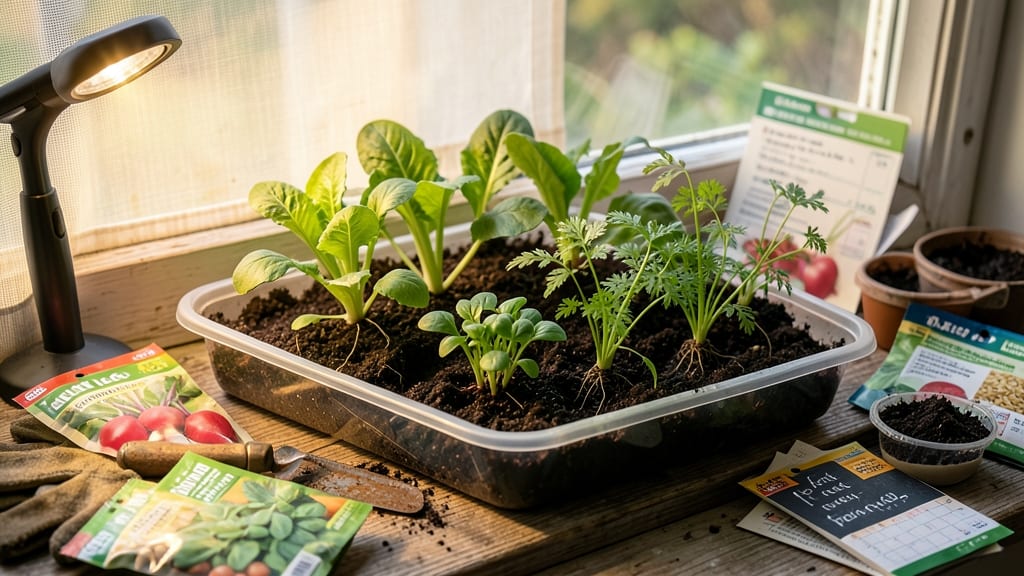
To plant seed in spring at the perfect time means the difference between a flourishing garden and a sad investment in seeds.
Timing your spring seed planting by frost zone can mean the difference between thriving plants and stunted seedlings—here’s your precise guide to avoid common mistakes.
Cool-season crops like lettuce and peas can handle a light frost, while warm-season favorites like tomatoes and peppers need the ground to be warm and frost-free. Missing that window means waiting weeks for a second chance.
Below, I’ll break down the exact dates by USDA zone, how to adjust for early or late springs, and the three biggest mistakes that ruin seed starts every year.
Spring seed planting dates by USDA frost Zone (with exact timing)
Getting your spring seed planting timeline right depends on your USDA frost zone and whether you're growing cool-season or warm-season crops. Planting too early risks frost damage, while waiting too long can shorten harvests.
I’ll break down exact dates by zone and show you how to adjust for early or late springs.
Cool-season crops like lettuce, peas, and spinach can handle light frosts, while warm-season plants like tomatoes, peppers, and beans need soil temperatures above 60°F to thrive. Use these guidelines to align your planting with your local climate.
| USDA Zone | Cool-Season Start (Indoors) | Cool-Season Direct Sow | Warm-Season Start (Indoors) | Warm-Season Direct Sow | Last Frost Date |
|---|---|---|---|---|---|
| Zone 3-4 | Mid-March | Late April | Late February | Mid-May | May 15 |
| Zone 5-6 | Early March | Early April | Early March | Late April | April 15 |
| Zone 7-8 | Late February | Mid-March | Late January | Early April | March 15 |
| Zone 9-10 | January | February | December (optional) | February | January 15 |
*Adjust dates 2-4 weeks earlier for early springs or later for late springs.
For Zone 3-4, start cool-season seeds indoors in mid-March and transplant after your last frost date, typically around May 15. Warm-season seeds should begin indoors in late February and go outside after soil warms to 60°F, usually by mid-May.
In Zone 5-6, cool-season crops like kale or carrots can be direct-sown as early as early April, while warm-season plants like cucumbers need to wait until late April when soil temperatures stabilize. My Zone 6a garden thrives when I follow these exact dates.
Gardeners in Zone 7-8 have a longer growing season, so you can start cool-season seeds indoors as early as late February and direct-sow by mid-March. Warm-season seeds begin indoors in late January, with outdoor planting by early April.
In Zone 9-10, mild winters allow for year-round planting. Cool-season crops can be direct-sown in February, and warm-season seeds like eggplant or okra can start indoors in December for an early harvest.
Always check your local last frost date using resources like the National Weather Service or your local cooperative extension. Even a few degrees can make the difference between success and failure for tender seedlings.
Pro tip: Use row covers or cold frames to extend your planting window by 2-4 weeks in unpredictable springs. This is especially helpful for Zone 5-6 gardeners like me who face late frosts.
For warm-season crops, monitor soil temperature with a soil thermometer. Most seeds need soil at 60-70°F to germinate properly. If your soil is cooler, wait or use black plastic mulch to warm it faster.
Finally, keep a planting journal to track your success. Note any adjustments you make for early or late springs—this will help you refine your timing each year. Happy planting!
How to adjust planting timing for early vs. late springs (pro tips)
Spring’s timing can be unpredictable—one year frost lingers into May, while another brings unseasonable warmth in March. As a gardener who’s lost seedlings to late frosts and wasted time on failed early sowings, I’ve learned to adapt. The key?
Flexible strategies that let you extend planting windows without guessing. Whether you’re in Zone 5 with icy April mornings or Zone 9 where heat arrives early, these pro tips will help you time seeds perfectly every season.
Start by tracking your local frost-free date—not the average one. Use a frost calendar from your local cooperative extension service or a smart weather station to log actual last-frost dates for the past 5 years.
I keep a spreadsheet where I note when marigolds (a cold-hardy indicator) sprout reliably, then adjust my warm-season crops accordingly. This data becomes your planting baseline, not a rigid rulebook.
- 1.
- 2.
- 3.
- 4.
- 5.
Don’t let unpredictable weather derail your garden. I once lost an entire pepper bed to a May frost in Zone 8, but the next year, I used a mini greenhouse to start them early and a row cover as backup.
Now, I treat my planting timeline like a flexible budget: adjust as needed, but always have a Plan B. Even a 10-day shift in frost dates can mean the difference between a bountiful harvest and empty garden beds.
Remember, soil temperature matters more than air temperature. A 50°F day might feel warm, but if your soil is still 45°F, carrot seeds won’t germinate. Invest in a soil thermometer—it’s the single best tool for adjusting your planting schedule.
And when in doubt, start small: test a few seeds in pots before committing to full rows. That way, you’ll know exactly when your local spring is truly ready.
Your garden’s success hinges on reading the season, not following a calendar. By combining soil tests, protective covers, and succession planting, you’ll turn even the most unpredictable springs into a productive growing season. Happy planting!