
Planting
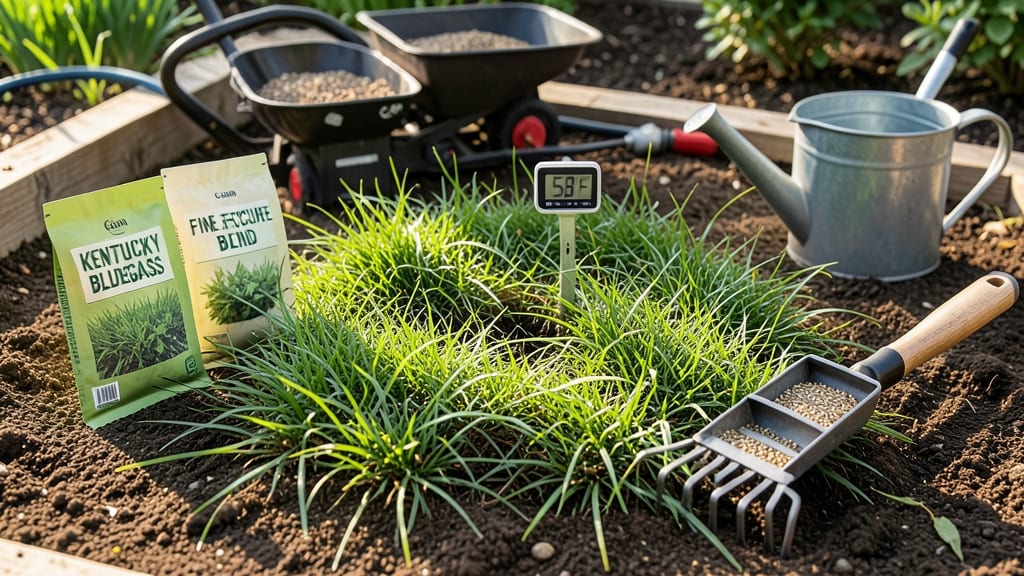
Planting grass seed in Colorado depends on soil temperatures, elevation, and seasonal shifts—aim for early spring or early fall when frost risks fade and moisture holds.
Colorado’s microclimates throw a wrench into one-size-fits-all advice: a Front Range lawn thrives in April, while Western Slope growers wait until late May to avoid drought stress. Get it wrong, and you’ll either watch seeds bake in the sun or rot in soggy soil.
Below, I break down the ideal planting windows by region, soil prep secrets for USDA Zones 5-7, and how to time watering for germination success—no guesswork, just data-backed timing.
You’ll learn how to read your yard’s signals (like soil temperature and rainfall forecasts) and adjust for elevation, ensuring your grass takes root without wasting seed.
Colorado’s grass planting zones: best months by elevation and microclimate
Colorado’s diverse elevation zones create unique challenges for grass seed germination. At 5,000 feet in Denver, your ideal window differs drastically from 10,000-foot mountain meadows or the arid Western Slope.
Cool-season grasses like Kentucky bluegrass and fescue thrive in spring/fall, while Bermuda grass and buffalo grass prefer summer’s warmth. Let’s break down your perfect planting timeline by region.
Soil temperature is your #1 indicator—wait until it hits 50-65°F consistently. Use a soil thermometer or check NOAA’s Colorado Climate Center for your elevation. Frost risk varies by 100+ days between lowland plains and high-altitude zones, so timing matters more than any other factor.
For example, Pueblo’s Eastern Plains (4,700 ft) can plant in late February, while Aspen’s mountains (8,000 ft) must wait until mid-June.
⚠️ NON-NEGOTIABLE: Avoid planting during monsoon season (July-August) in the Western Slope—flash floods can wash away seedlings. Similarly, spring planting after April 15 risks late frosts in mountain regions. Here’s your region-specific guide:
| Region | Elevation Range | Best Planting Months | Soil Temp Threshold | Grass Types | Key Risks |
|---|---|---|---|---|---|
| Front Range (Denver/Boulder) | 5,000–7,500 ft | March–April (spring) or August–September (fall) | 55–65°F | Kentucky bluegrass, fescue, ryegrass | Late spring frosts, summer drought |
| Eastern Plains (Pueblo/Greeley) | 3,500–5,000 ft | February–March (spring) or September (fall) | 50–60°F | Buffalo grass, blue grama, wheatgrass | Wind erosion, early drought |
| Western Slope (Grand Junction) | 4,500–6,500 ft | April–May (spring) or October (fall) | 60–65°F | Bermuda grass, tall fescue, ryegrass | Monsoon floods, late frosts |
| Mountain Regions (Aspen/Vail) | 7,500–10,000+ ft | June–July (only option) | 55–60°F | Fescue, ryegrass, creeping red fescue | Short growing season, late frosts |
For Front Range gardeners, early spring (March) is ideal for cool-season grasses like Kentucky bluegrass, which germinates in 7–14 days when soil temps hit 55°F. In Denver’s urban heat islands, you might push planting to late April, but Boulder’s cooler microclimates favor early March.
Always test soil moisture—dry Front Range soils can stall germination even with perfect timing.
On the Eastern Plains, where buffalo grass dominates, aim for February–March to beat summer’s 100°F+ drought stress. These areas benefit from windbreaks to prevent seed erosion.
Meanwhile, Western Slope gardeners should avoid July–August planting entirely—monsoon rains can turn seedbeds into mud, while October offers a safer fall window with cooler temps.
High-altitude mountain regions like Aspen or Vail have the most restrictive windows. June–July is your only shot, with fescue mixes being the hardiest choice. Soil temps here rarely exceed 60°F, so germination takes 2–3 weeks longer than lowland areas.
Use straw mulch to retain heat and moisture—critical at 8,000+ feet.
Pro tip: Adjust for microclimates within regions. A south-facing slope in Fort Collins might support late April planting, while a north-facing yard in the same city could need to wait until May. Use a shade map of your property to spot these variations before planting. 🌱
Remember, fall planting (August–September) is often more successful than spring in Colorado because established roots handle winter better
Critical factors that determine your planting success (beyond the calendar)
Planting grass seed in Colorado isn’t just about checking a calendar—it’s about understanding your local microclimate and preparing your soil for success. Even if the calendar says "spring," your elevation, soil moisture, and sun exposure can shift the ideal planting window by weeks.
For example, Denver’s urban heat islands may be ready in early April, while high-altitude areas like Steamboat Springs might need to wait until late May.
Before you scatter that seed, test your soil moisture and check NOAA’s 7-day rainfall forecast—drought conditions in July can turn your new lawn into a crispy memory. Shade patterns also matter: a north-facing slope stays cooler longer, while south-facing areas dry out faster.
Skipping these checks is how you end up with poor germination or weeds stealing your lawn’s spotlight.
Here’s what I always check before planting—these 5 critical factors separate a thriving lawn from a failed experiment:
- 1 Soil Temperature: Use a soil thermometer—ideal temps are 50–65°F for cool-season grasses. High-altitude areas (7,000+ ft) may need to wait until late May or early June.
- 2 Moisture Readiness: Perform the squeeze test—if soil clumps when pressed but doesn’t stick to your hands, it’s ready. Low-desert areas (e.g., Colorado Springs foothills) often need irrigation scheduling.
- 3 Sunlight Mapping: Measure sun exposure for 3 days—shady spots (e.g., under trees) may need shade-tolerant grasses like fine fescue, while full-sun areas thrive with Kentucky bluegrass.
- 4 Weed Control: Apply pre-emergent herbicide 2–4 weeks before planting to block crabgrass. Skip this, and weeds will outcompete your grass seed within 30 days.
- 5 Monsoon Risks: Avoid planting in July–August in low-desert zones (e.g., Grand Junction)—intense downpours can wash away seed. High-altitude areas are safer in early fall.
For high-altitude gardens (5,000–8,000 ft), prioritize early fall planting (August–September) to leverage cooler temps and consistent moisture. In contrast, low-desert regions (e.g., Pueblo) should plant in late spring (May) to escape summer drought.
Always till 4–6 inches deep to loosen compacted soil—Colorado’s clay-heavy soils need this prep to avoid water runoff.
Pro tip: Use straw mulch after planting to retain moisture—this is non-negotiable in windy Front Range areas where evaporation rates can double. Pair this with drip irrigation set to deliver ¼ inch of water daily for the first 2 weeks.
Ignore these steps, and you’ll watch your seed dry out before sprouting.
Finally, time your planting to align with NOAA’s 30-day forecast. If heavy rains are predicted within 7 days of sowing, delay by 2–4 weeks. For example, Denver’s urban core often sees flash floods in June—planting in late May gives your grass a head start before monsoon season hits.