
Plants
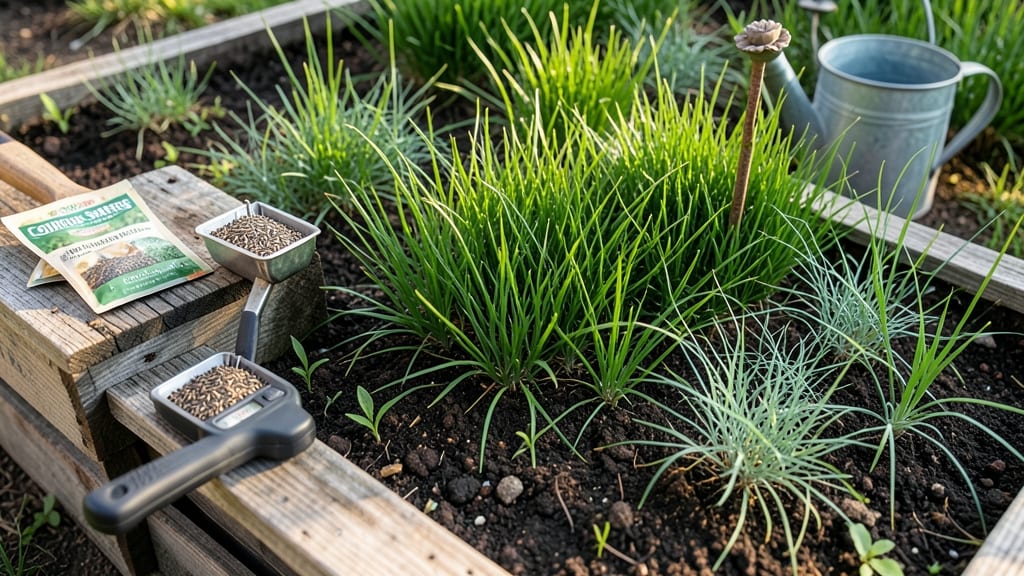
Plant grass seed in Colorado Springs between early September and mid-October for fall or late March to early May for spring — timing that avoids summer’s drought and winter’s freeze.
Colorado Springs’ unpredictable weather can make or break your lawn—planting grass seed at the wrong time means weak growth, patchy coverage, or wasted money.
Elevation matters too: the Front Range’s lower elevations (6,000–7,000 ft) have different frost risks than Pikes Peak’s higher zones (8,000+ ft), and soil stays cool longer at altitude.
Here’s the best way to choose your window by elevation, prep your soil, and keep new grass thriving through Colorado’s dry spells.
Optimal planting weeks in Colorado Springs by elevation: a month-by-month breakdown
Colorado Springs’ three distinct elevations create wildly different planting conditions. Lowland areas (6,000–7,000 ft) enjoy warmer soil earlier, while mountain elevations (8,000+ ft) face delayed springs and earlier frosts.
For cool-season grasses like Kentucky bluegrass and fescue, timing is everything—plant too early, and you risk fungal diseases; too late, and roots won’t establish before winter. Let’s break down the best planting windows for each zone, including soil temperature thresholds and frost risk.
At 6,000–7,000 ft (lowland), your last frost date typically falls around April 15, and first frost arrives by October 15. This gives you a 150-day growing season, but your soil warms faster than higher elevations.
For spring planting, aim for late March to early May when soil temps hit 50°F consistently. Fall planting should start 4–6 weeks before frost, so early September to mid-October is ideal. These zones can handle warm-season grasses like Bermuda, but cool-season varieties thrive here with proper timing.
At 7,000–8,000 ft (foothills), conditions shift dramatically. Your last frost may linger until May 1, and first frost can arrive as early as October 1. Soil takes longer to warm, so spring planting should wait until mid-April to late May, when soil temps reach 55°F.
Fall planting must begin by late August to allow 4–6 weeks of root growth before frost. This zone is perfect for tall fescue, which tolerates cooler soils and late-season moisture better than Kentucky bluegrass.
Above 8,000 ft (mountain elevations), your growing season shrinks to just 100–120 days. Last frost can occur as late as May 15, and first frost may hit by September 15. Plant cool-season grasses only in late April to early June (spring) or mid-August to early September (fall).
Soil temps below 50°F can stall germination, so use warmth blankets or wait for consistent daytime highs of 60°F. Fine fescue is your best bet here—it handles cool soils and low sunlight better than other varieties.
Your soil temperature is the most critical factor—cool-season grasses won’t germinate below 50°F. Use a soil thermometer to check depths of 2–4 inches. If temps fluctuate, opt for fall planting, as cooler evenings in September and October reduce disease pressure and weed competition.
Pro tip: Water deeply after planting to encourage root penetration, but avoid overwatering, which can wash away seed.
Unexpected weather—like late-spring hail or early-fall frost—can derail your plans. In the foothills and mountains, always have a backup plan for August planting if spring is too risky. Kentucky bluegrass is more frost-tolerant than fescue, making it a safer bet for high-elevation zones.
For lowland areas, tall fescue handles summer heat better once established, but it needs consistent moisture during germination.
Don’t forget about afternoon thunderstorms, common in June and July. If you’re planting in late spring, schedule it for morning hours to avoid seed erosion from heavy rain.
Mulch lightly with straw to protect newly planted seed from wind and sun. In mountain elevations, where UV exposure is intense, a
How to prepare your soil and choose grass seed for Colorado’s climate
Colorado Springs’ thin, high-altitude soil and extreme temperature swings demand extra care before planting grass seed. Skipping soil prep means poor germination, weak roots, and a lawn that struggles through our dry summers and freezing winters.
The key? Loosen compacted soil, balance pH, and pick seeds tough enough to handle 6,000+ feet elevation and low humidity. Let’s break it down step by step.
Start with a soil test—most Colorado lawns are alkaline (pH 7.5+), which stunts grass growth. Aim for a pH of 6.0–7.0 by adding elemental sulfur or peat moss.
Next, aerate your lawn in early fall (September) or late spring (April) using a core aerator to create ½-inch holes every 3–4 inches. This lets roots breathe and water penetrate deeply.
✅ DO vs. ❌ DON’T for Colorado Grass Seed Prep
| DO | DON’T |
|---|---|
| Test soil pH (aim for 6.0–7.0) | Skip testing—assume soil is fine |
| Choose drought-tolerant seeds (e.g., tall fescue or Buffalo grass) | Pick Kentucky bluegrass (needs constant water) |
| Aerate before seeding (breaks compaction) | Over-seed without prep (seeds won’t germinate) |
| Plant in fall (Sept–Oct for best roots) | Wait until summer (seeds bake in heat) |
Pro Tip: Mix compost into aeration holes for nutrients—Colorado soil lacks organic matter. 🌱
For Colorado’s climate, tall fescue and fine fescue are top picks—they thrive in partial shade and need 30–50% less water than Kentucky bluegrass. If your yard gets full sun, mix in Buffalo grass for drought resistance.
Avoid Bermuda grass; it struggles in our cool nights and high altitude.
Weed control is critical—apply a pre-emergent herbicide 2 weeks before seeding to block crabgrass. After planting, use a post-emergent like corn gluten meal to stop weeds without harming grass.
Water lightly daily (just enough to keep soil moist) for the first 2 weeks, then taper to 2–3 times per week.
One common mistake? Over-seeding. Use ½ pound of seed per 100 sqft—more won’t speed up growth and can lead to fungus. Also, never plant when nighttime temps drop below 50°F—seeds won’t germinate.
For high-elevation areas (7,000+ ft), extend your fall window to mid-November to avoid early frosts.
With the right prep, your Colorado lawn will establish deep roots by winter and stay green through summer droughts. Start now—your future self (and your sprinkler bill) will thank you! ✂️