
Plants
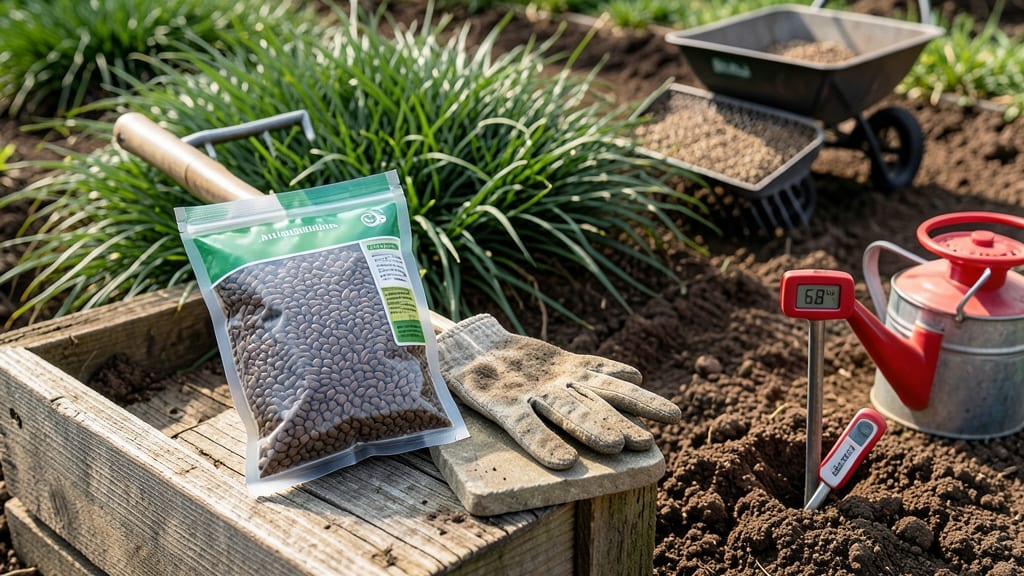
Planting Bermuda grass seed in Oklahoma between late May and early July is the key to a thick, heat-tolerant lawn that survives the state’s brutal summers.
If you’ve ever stared at a patchy lawn in August and wondered why your seed didn’t take, the answer is simple: timing. Bermuda grass needs soil temperatures above 75°F to germinate, and planting too early risks frost damage while waiting too long means drought stress before roots establish.
Oklahoma’s microclimates—from the cooler 6a zones in the north to the warmer 8a areas in the south—shift the ideal window by 1–2 weeks. That’s why soil prep and weather tracking are non-negotiable.
Below, I break down the exact steps to test your soil, time your planting with local forecasts, and keep your new lawn thriving through Oklahoma’s 100°F+ heat waves.
Optimal Bermuda grass planting timeline in Oklahoma (late May to early July explained)
Bermuda grass is Oklahoma’s secret weapon against summer heat—it stays green when other grasses wilt, but only if planted during its critical 6-week window.
The late May to early July period gives seeds the 75°F+ soil warmth they need to germinate quickly and establish roots before Oklahoma’s brutal summer droughts hit. Miss this window, and you’ll face slow growth, patchy coverage, or even seed failure.
Why this timing? Bermuda grass is a warm-season grass, meaning it thrives in heat but won’t germinate below 65°F. In Oklahoma’s USDA Zones 7a-8a, soil temperatures finally hit that threshold in late May, with southern Oklahoma (like Lawton) warming 1-2 weeks earlier than northern areas (like Norman).
Plant too early, and cold snaps will kill new sprouts; too late, and summer heat stress stunts growth.
🌱 Key Insight: The 30-day window between late May and early July balances soil warmth, rainfall patterns, and heat tolerance. Here’s how Oklahoma’s microclimates shift your ideal dates:
| Region | Ideal Planting Window | Soil Temp Threshold | Heat Risk |
|---|---|---|---|
| Southern OK (Lawton, Altus) | Late April – Mid-May | 70°F+ (earlier warmth) | High (drought-prone) |
| Central OK (Oklahoma City) | Late May – Early June | 75°F+ (standard) | Moderate (variable storms) |
| Northeast OK (Tulsa, Muskogee) | Early June – Mid-June | 75°F+ (cooler nights) | Low (more humidity) |
| Panhandle (Amarillo, Guymon) | Mid-May – Late May | 72°F+ (dry heat) | Very High (low humidity) |
For example, if you’re in Oklahoma City, aim for May 25–June 10—this aligns with the city’s average 75°F soil temperature and 1–2 inches of rainfall per week. Check local forecasts: 3+ days of 90°F+ heat before planting means you’re too late for seed germination.
Pro tip: Use a soil thermometer (available at garden centers for ~$15) to confirm temperatures. Bury it 2 inches deep in full sun—this mimics seed depth. If readings dip below 70°F, wait 7–10 days; above 85°F, and you risk seed desiccation before sprouting.
Oklahoma’s unpredictable summer storms also play a role. Plant in late May, and you’ll catch the tail end of spring rains, which help seeds stay moist.
Wait until July, and you’ll battle intense heat stress and drought conditions, forcing you to water 2x daily just to keep seeds viable. The June 1 cutoff is your best bet for balancing moisture and heat.
Another critical factor is Bermuda grass’s aggressive growth habit. When planted in late May, it enters its rapid spread phase by July, filling in bare spots before summer dormancy kicks in.
Delay planting, and you’ll see slow, patchy growth—a common mistake in Oklahoma’s USDA Zone 7a areas where summers arrive early.
Finally, consider your lawn’s current state. If you’re overseeding an existing cool-season grass (like fescue), kill it with glyphosate 2–4 weeks before planting. This ensures Bermuda grass has no competition for sunlight and nutrients during its critical first 6 weeks.
Remember: Bermuda grass isn’t just about heat tolerance—it’s about timing. Plant in late May–early July, and you’ll have a thick, green lawn by August. Miss the window, and you’ll be stuck with bare spots until next spring. 🌡️☀️
3 Critical factors that determine your exact planting window
Timing your bermuda grass seed planting in Oklahoma isn't just about the calendar—it's about three critical factors that make or break your lawn's success. First, soil temperature must hit at least 75°F for consistent germination.
Second, you need stable rainfall forecasts to avoid drought stress during the first 3 weeks. Finally, your USDA Zone 7a/7b location determines frost risks that could kill tender seedlings.
Skipping these checks often leads to failed germination or stunted growth. For example, planting too early in April risks frost damage, while waiting until August exposes seedlings to extreme heat. Let's break down how to nail your exact window using Oklahoma-specific data and tools.
To verify your soil temperature, use a soil thermometer buried 2 inches deep. Check daily for 3 days in a row—consistent readings above 75°F signal it's time to plant. For rainfall forecasts, monitor the National Weather Service's 7-day outlook.
Aim for at least 0.5 inches of rain weekly or supplement with deep watering (2x daily for 3 weeks post-planting