
Plants
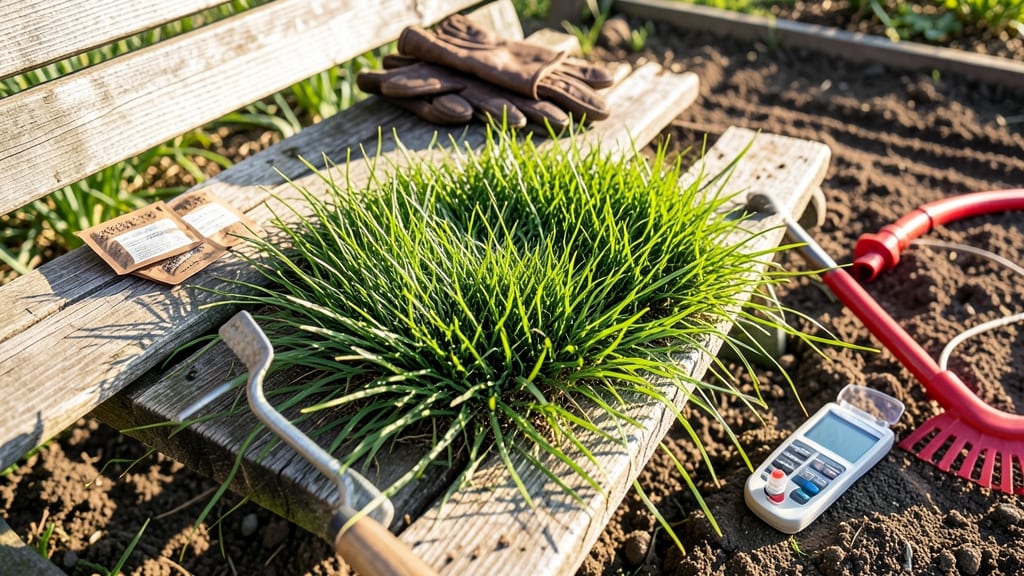
Planting Bermuda seed in Texas at the right time means the difference between a lush, heat-proof lawn and a struggle against the summer sun.
Picture this: you’ve prepped the soil, ordered your seed, and the calendar says "go." But if you plant too early, the cold snaps will stall germination. Too late, and the heat arrives before your grass takes hold.
Texas summers demand precision, and Bermuda grass 🌱 thrives only when planted in that narrow window between late March and early May—or risk patchy, weak growth.
Why does timing matter so much? Bermuda grass is a warm-season powerhouse, but it’s also picky about soil temperatures. Below 65°F, seeds barely sprout, and above 90°F, they bake before they germinate.
That’s why we’re breaking down the best planting windows by Texas hardiness zones—from the Panhandle’s cooler springs to South Texas’s early heat—so you can align your schedule with the weather, not guesswork.
In this guide, you’ll learn the exact soil prep steps, how to adjust for your local microclimate, and the one trick that keeps Bermuda grass green even through Texas’s brutal summers. Let’s get your lawn off to the right start.
Optimal planting windows for Bermuda seed in Texas hardiness zones
Texas' diverse climate—from the Panhandle's cooler springs to South Texas' tropical heat—means Bermuda grass planting times vary dramatically. In Zone 8a (North Texas), you’ll want to plant late March to early April when soil temps hit 65°F+ consistently.
Meanwhile, Zone 10a (Rio Grande Valley) can start as early as mid-February thanks to warmer winters. The key is aligning your planting with soil temperature, not just calendar dates.
Bermuda grass thrives in heat but struggles with germination below 60°F. If you plant too early in Zone 9a (Central Texas), seeds may rot in cool, wet soils.
Conversely, delaying until June in Zone 10a risks summer dormancy before establishment. Aim for April-May in most regions for the sweet spot of warmth and moisture.
Here’s how Texas’ microclimates shift planting windows:
| Texas Zone | Ideal Planting Window | Soil Temp Threshold | Microclimate Adjustments |
|---|---|---|---|
| 8a (Panhandle) | Late March–Early April | 65°F+ (consistent) | Urban heat islands: plant 2 weeks earlier |
| 9a (Central TX) | Early April–Mid-May | 68°F+ (minimum) | Coastal areas: extend to late May (breezes delay heat) |
| 9b (Hill Country) | Mid-March–Early May | 65°F+ (soil) | High elevation: wait for stable 70°F+ nights |
| 10a (South TX) | Mid-February–April | 60°F+ (minimum) | Irrigated areas: plant as early as Jan (with shade cloth) |
For urban heat islands (like Dallas or Houston), soil can warm 10–15°F faster than rural areas. Use a soil thermometer to confirm 65°F+ before planting—don’t rely on air temperature. In coastal zones (e.g., Galveston), delay until late April to avoid salt spray damage and cool ocean breezes that stall germination.
Fall planting is risky in Texas—Bermuda grass enters dormancy by November in most zones. However, Zone 10a gardeners can attempt late August–September plantings if using drought-resistant varieties like 'Tifway 419'. Always water deeply post-planting to prevent seed desiccation during fall’s erratic rains.
Pro tip: Pre-warm cold soils in Zone 8a by covering bare soil with black plastic mulch 2 weeks before planting. This raises soil temps by 5–10°F, speeding germination. Avoid shady microclimates—Bermuda grass needs 6+ hours of sun daily to thrive, even in Zone 10a’s intense heat.
Monitor local weather forecasts for 10-day heat waves after planting. If temps spike to 95°F+ within 2 weeks, shade seedlings with 50% shade cloth to prevent heat stress. In West Texas (Zone 8a), avoid June plantings—summer’s 100°F+ soils can kill seeds before germination.
Adjust your watering schedule based on zone: Zone 9a–10a needs daily watering for 2 weeks post-planting, while Zone 8a can stretch to every other day if rains cooperate.
Use a rain gauge to track 1–1.5 inches of water weekly—Bermuda grass hates soggy soil but demands consistent moisture to root.
Remember: Bermuda grass is aggressive once established, but seed germination is fragile. In Zone 10a, you might see sprouts in 7–10 days with ideal conditions, while Zone 8a could take 3–4 weeks. Patience and precise timing are your best tools for a thick, heat-proof lawn.
Soil preparation & pre-planting checklist for fast Bermuda germination
Bermuda grass thrives in Texas’ brutal heat, but only if your soil is prepped perfectly. Start with a soil test to confirm the pH level is between 6.0 and 7.0—this is critical for germination.
Use a home test kit or send a sample to your local Texas A&M AgriLife Extension for professional analysis. Acidic or alkaline soil can stall seed growth, so adjust with lime (for pH below 6.0) or sulfur (for pH above 7.0) at least 4-6 weeks before planting.
Next, till the soil to a depth of 4-6 inches to loosen compacted layers and improve aeration. Bermuda grass roots need space to spread, so avoid heavy machinery if your soil is already loose.
Mix in 2-3 inches of compost or well-rotted manure to boost organic matter—this enhances moisture retention and nutrient availability. For sandy soils common in West Texas, add peat moss to improve water-holding capacity.
- 🌡️ Soil Temperature: Wait until soil reaches 65°F+ (use a soil thermometer). Ideal range: 75-85°F.
- ☀️ Sunlight: Ensure full sun (6+ hours/day)—Bermuda grass won’t germinate in shade.
- 💧 Moisture: Keep soil consistently moist (not soggy) until seeds sprout (7-14 days).
- ✂️ Prep Timing: Apply pre-emergent herbicide 2 weeks before seeding to kill weeds without harming Bermuda.
- 🌱 Seed Depth: Plant seeds ¼ inch deep—deeper planting reduces germination rates.
- 🚫 Avoid: Planting after June 1 (risk of summer dormancy) or in waterlogged soil (roots rot).
Timing your pre-emergent herbicide is another game-changer. Apply it 2 weeks before seeding to kill weeds without harming the Bermuda grass once it sprouts. Choose a product labeled for lawn seed germination, like pendimethalin or prodiamine. After seeding, avoid herbicides for 6-8 weeks—they’ll kill your new grass too. If weeds pop up during this window, hand-pull them instead.
Double-check your planting conditions one last time before seeding. Bermuda grass seeds need warm soil, full sun, and consistent moisture to germinate. If your area is prone to afternoon thunderstorms, water in the early morning to prevent seed washout.
Use a light mulch (like straw) to retain moisture and protect seeds from bird damage. Avoid heavy mulch—it can suffocate seedlings.
Common mistakes like over-tilling (which disrupts soil structure) or planting too late (after June) can derail germination. Even if your soil looks perfect, test it again if you notice yellowing leaves or slow growth—this often signals hidden pH or nutrient issues.
With the right prep, your Bermuda grass will sprout in 7-14 days and establish a thick, heat-resistant lawn by summer.
Once your seeds are in the ground, monitor for even moisture and sunlight exposure. Bermuda grass is tough, but it won’t forgive neglect during its first few weeks. With this checklist, you’ll skip the trial-and-error and get a lush, green lawn that stands up to Texas’ worst heat. 🌱