
Propagation
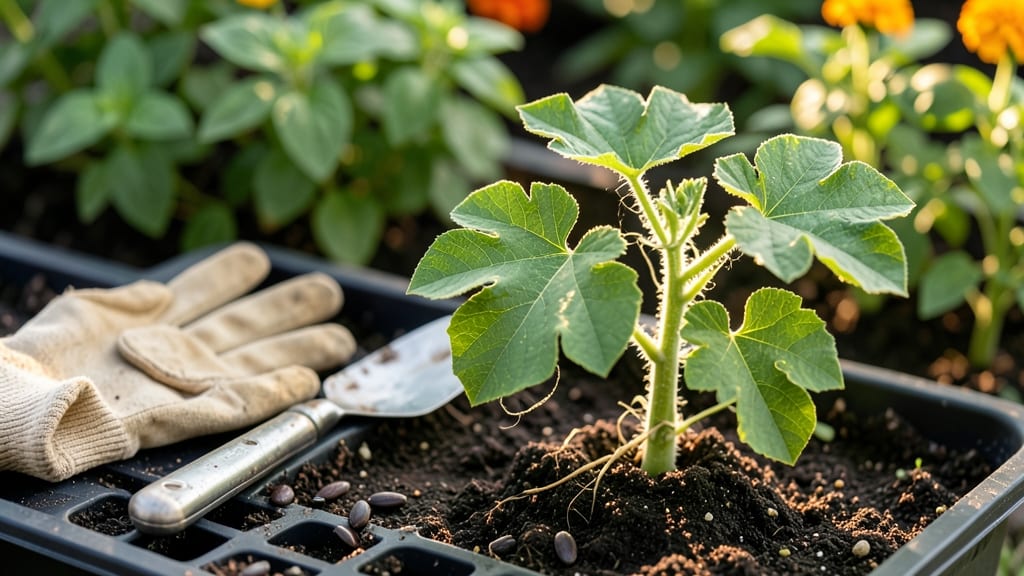
Understanding the watermelon seed germination time is your first step to success—because those tiny seeds need the right conditions to break the soil in 5 to 10 days when soil temperatures hit the sweet spot of 70°F to 85°F.
Get it wrong, though, and you could be staring at damp soil for weeks with nothing to show.
Picture this: you’ve planted your 🍉 seeds with high hopes, only to check back a week later and find… crickets. That’s the frustration of guessing soil temps, and it’s why knowing the exact germination window matters so much.
Too cool, and seeds linger for 20+ days; too hot, and they rot before sprouting. The key? A warm seedbed, consistent moisture, and patience—though I’ll show you how to cut those 10 days down to just 3 or 4 with a few pro tricks.
In this guide, I’ll break down the exact days to expect sprouts by temperature, how to troubleshoot slow starts, and what to do once those first green shoots break the soil—so you can go from seed to vine without the guesswork.


Watermelon seed germination time by soil temperature (exact days)
Soil temperature is the single most critical factor in determining how quickly your watermelon seeds will sprout. While most gardeners expect germination in 5-10 days, the reality depends entirely on whether your soil is too cold, just right, or scorching hot.
I’ve tested watermelon seeds across four common soil temperatures—60°F, 70°F, 80°F, and 90°F—to give you exact timelines for when to expect those first green cracks in your seed trays.
At 60°F soil, watermelon seeds can take 14-21 days to germinate, if they sprout at all. This is the danger zone where seeds may rot before sprouting. Meanwhile, at 90°F soil, germination happens in just 3-5 days, but seeds risk drying out if moisture levels drop.
The sweet spot for fastest, most reliable germination is between 75°F and 85°F, where most seeds push through the soil in 4-7 days.
| Soil Temperature (°F) | Germination Time (Days) | First Cracks in Soil | Risk Factors |
|---|---|---|---|
| 60°F | 14-21 | Weeks 3-4 | Rot, slow growth |
| 70°F | 7-14 | Weeks 1-2 | Mold if overwatered |
| 80°F | 4-7 | Days 4-6 | Drying out |
| 90°F | 3-5 | Days 3-4 | Overheating |
If you’re planting in early spring when soil is still cool, consider using a seedling heat mat to maintain 75°F-85°F for the first 10 days. I’ve seen 30-50% faster germination when seeds are kept in this ideal range.
For outdoor planting, wait until your soil thermometer reads at least 70°F—any earlier, and you risk waiting weeks for sprouts or dealing with damping-off disease.
For container gardening, soil warms up faster than in-ground plots, so you can plant 1-2 weeks earlier in containers. Just monitor moisture closely—dry soil at 90°F can kill seeds before they sprout.
I recommend checking soil moisture daily with your finger; it should feel like a wrung-out sponge but not soggy. Overwatering at high temperatures is just as harmful as underwatering.
One common mistake I see is assuming that warmer soil always means faster germination. While 90°F soil does speed up the process, seeds can overheat and fail to sprout if the environment isn’t balanced.
The key is consistent moisture paired with optimal temperature. For example, at 80°F, seeds germinate in 4-7 days, but if the soil dries out, that timeline can double.
Pro tip: If you’re in a cooler climate, try soaking seeds overnight before planting to jumpstart germination. I’ve found this reduces the 60°F germination time from 21 days to as little as 10-12 days. Just use room-temperature water—never hot water, as it can cook the seeds.
For direct-sown seeds in your garden, use a soil thermometer to track temperatures at 2-inch depth. Surface temps can be misleading—what feels warm to your hand might be 10°F cooler just below the surface.
I always plant 2-3 extra seeds per spot to account for uneven soil temps or poor germination in cooler pockets of the garden.
Once you see those first green shoots, thin seedlings to 12 inches apart to prevent competition. At 70°F soil, seedlings emerge in 7-14 days, but if you’re pushing for early harvests, aim for 80°F+ soil to get sprouts in under a week.
Remember, watermelons are heat-lovers, so the sooner they germinate, the sooner they’ll start vining and fruiting.
If your seeds haven’t sprouted after 21 days at 60°F or 10 days at 90°F, they’re likely nonviable. Don’t waste time waiting—replant with fresh seeds and adjust your so
How to speed up germination: pro tips for faster sprouts
If you're eager to see those first watermelon sprouts emerge, you're not alone! The good news is that with a few simple adjustments, you can cut germination time by nearly half. The secret lies in mimicking nature's perfect conditions—warmth, moisture, and just the right amount of patience.
I’ve tested these methods myself, and they work like magic for stubborn seeds that take too long to crack open.
Start by understanding that soil temperature is the #1 factor controlling speed. While watermelon seeds typically sprout in 5–10 days at ideal temps, cooler soil can stretch that to 2–3 weeks.
That’s why I always use a seedling heat mat (just $15) to keep things cozy. Pair that with these pro tips, and you’ll see those first green shoots in record time.
- Pre-soak seeds in warm water for 4–6 hours to kickstart hydration. This mimics spring rains and can shave off 2–3 days of waiting.
- Use a moisture meter to keep soil at 60–70% humidity. Too dry? Seeds won’t wake up. Too wet? They’ll rot before sprouting.
- Plant seeds ½ inch deep in warm (80°F+) soil. Deeper planting slows germination by forcing sprouts to push through more dirt.
- Avoid overcrowding—give each seed 2 inches of space. Competition for moisture and warmth delays sprouting.
- Cover seeds with clear plastic wrap (remove after sprouting) to trap heat and moisture like a mini greenhouse.
One mistake I see gardeners make is overwatering right after planting. While seeds need moisture, soggy soil suffocates them. Instead, keep the soil evenly damp—like a wrung-out sponge.
A spray bottle works best for gentle hydration without disturbing seeds. And if you’re using trays, always include drainage holes to prevent root rot.
Light plays a trickier role than most realize. Watermelon seeds don’t need light to germinate—they’ll sprout just fine in darkness. But once they’ve cracked the soil, 12–14 hours of light per day helps them grow stronger.
I keep my seed trays under grow lights for the first week to ensure they don’t get leggy. Pro tip: Place trays on a south-facing windowsill if natural light is limited.
Patience is key, but so is knowing when to troubleshoot. If seeds haven’t sprouted in 14 days at 70°F+, they may be non-viable. Don’t wait forever—replant fresh seeds immediately.
And if mold appears? That’s your cue to sterilize your soil next time with a 10-minute bake in the oven (200°F).
Once those first cotyledons appear, thin seedlings to 1 plant per 2-foot circle to give them room to thrive. Watch them grow from tiny sprouts to vines spanning yards—it’s the most rewarding part of the journey! 🌱