
Plants
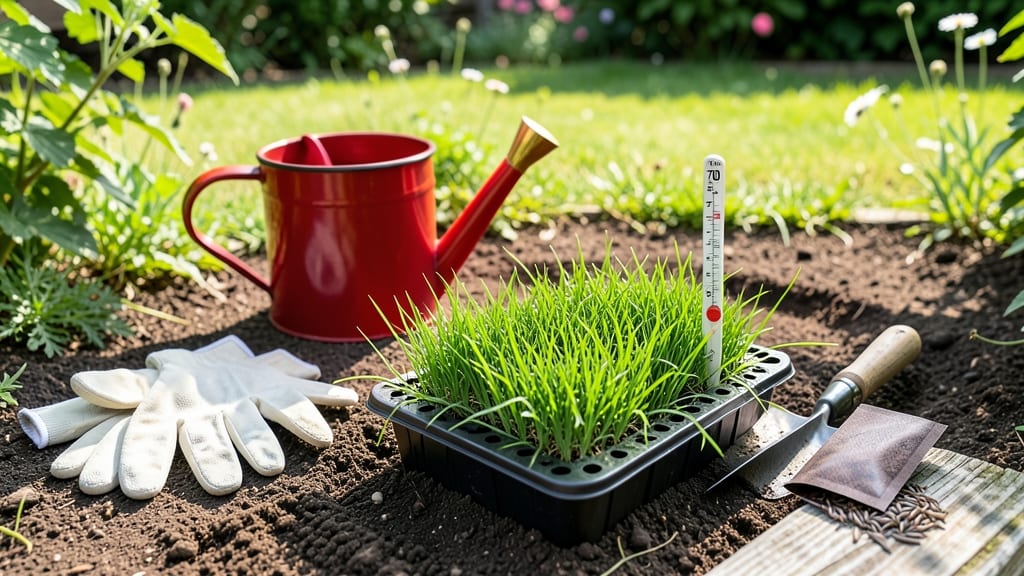
Planting Bermuda seed in North Texas at the right time means the difference between a fast, weed-resistant lawn and months of patchy, slow growth.
North Texas homeowners know a lush Bermuda lawn is worth the effort—but planting at the wrong time can lead to slow germination, poor coverage, or even failure. Timing is everything, and these exact dates will give you the fastest, thickest Bermuda grass possible.
In Zone 8a, the ideal window opens late March through mid-April, when soil temperatures hit 65°F and the threat of frost has passed. Plant too early, and your seed will sit dormant; too late, and summer heat can stress young sprouts before they take hold.
Below, I’ll break down the exact dates for your region, soil prep secrets to boost germination, and the 3 biggest mistakes that kill Bermuda seed in North Texas heat.
Best planting dates for Bermuda seed in North Texas (2024 guide)
Planting Bermuda grass seed in North Texas (USDA zones 7b-8a) requires precise timing to beat the heat and drought. The ideal window is late March through mid-April, when soil temperatures hit 65°F+—the magic threshold for germination. Missing this window? You risk slow growth, weed competition, or even seed failure.
Bermuda grass thrives in summer heat, but it needs a strong start. Early spring planting gives seeds 6-8 weeks of warm soil before summer’s intensity peaks. If you wait too long, you’ll struggle with establishment before the first November frost hits.
| Planting Window | Soil Temp Requirement | Germination Time | Adjustments for Drought |
|---|---|---|---|
| Late March - Mid-April | 65°F+ (minimum) | 14-21 days | Water deeply 2x/day |
| Early May (backup window) | 70°F+ (ideal) | 10-14 days | Mulch with straw |
| Avoid June+ planting | N/A (too hot) | Failure risk | Wait for fall (not ideal) |
For North Texas’ clay-heavy soil, test soil temps with a soil thermometer—bury it 2 inches deep. If temps dip below 65°F, delay planting until conditions stabilize. Pro tip: Use a black plastic mulch for 2 weeks pre-planting to warm the soil faster.
Heatwaves? Adjust your schedule. If a 100°F+ stretch hits, pause planting until temps drop below 95°F at night. Bermuda seed can handle heat, but establishment suffers when soil stays too hot. Aim for morning planting to reduce stress on fresh seeds.
Don’t overlook late May as a backup window—it’s riskier but works if you’re prepared. Start with shade cloth (30-50%) to protect seedlings from intense afternoon sun. Remove it after 2 weeks once roots establish.
Watering is non-negotiable. Bermuda seed needs 1 inch of water daily for the first 2 weeks. Use a rain gauge or tuna can to measure—North Texas’ erratic rains make this critical. Let the top inch of soil dry between waterings to prevent rot.
Watch for weed competition—especially in early spring. Pre-treat with corn gluten meal (natural pre-emergent) 2 weeks before planting. Bermuda grows fast, but weeds steal nutrients if left unchecked.
By mid-April, your Bermuda should show visible sprouts in 2-3 weeks. If planted correctly, you’ll see dense coverage by early summer—just in time for North Texas’ brutal heat. Skip the summer planting rush; patience now means a thicker, greener lawn later.
Need a quick reference? Bookmark these dates: March 25-April 15 for primary planting, with May 1-15 as a secondary option. Timing this right turns your lawn from brown patches to weed-proof green in record time.
How to prepare your North Texas soil for Bermuda seed success
Bermuda grass thrives in North Texas’ hot summers, but only if your soil is properly prepped. The clay-heavy soils common here need special attention to ensure optimal seed-to-soil contact and fast germination. Start by testing your soil pH—Bermuda prefers a range of 6.0 to 7.0.
If yours is too acidic or alkaline, amend it with lime or sulfur 4-6 weeks before planting. This adjustment is critical for nutrient uptake and root development.
Next, tackle weed competition, which can choke out young Bermuda seedlings. Use a non-residual herbicide like glyphosate to kill existing weeds, then wait 7-10 days before tilling. For organic gardeners, hand-pull weeds or smother them with black plastic mulch for 2-3 weeks.
Remember, Bermuda needs full sun, so clear any shade-casting plants or structures from the area.
Now for the tilling process: Break up the top 4-6 inches of soil to loosen the clay compaction that’s common in North Texas. Use a rototiller on a dry day to avoid creating a muddy mess.
After tilling, rake the soil smooth to create a fine seedbed. This step is essential for Bermuda seeds, which are tiny and need good contact with the soil to germinate properly.
⚠️ Warning: Planting Too Early in North Texas
Bermuda seed will not germinate below 65°F soil temperature. Planting before mid-April risks seed rot or dormancy. Check soil temps with a soil thermometer—wait until consistent 70°F+ readings for 3-5 days. Early planting also invites fungal diseases from lingering moisture. Pro tip: Use a seed starter mat if you must plant earlier, but most North Texas gardeners see better results waiting until late April or May.
Watering schedules are just as critical as soil prep. Bermuda seeds need consistent moisture to germinate, but overwatering can wash them away or cause rot. Water lightly twice daily (morning and evening) for the first 10-14 days to keep the top 1/4 inch of soil damp.
Once sprouts appear, reduce to 1 inch per week, watering deeply but infrequently to encourage deep root growth. Use a sprinkler with fine mist or a soaker hose to avoid disturbing the seeds.
For North Texas’ clay-heavy soils, consider adding organic matter like compost or peat moss to improve drainage and aeration. Mix in 1-2 inches of compost into the top 6 inches of soil before planting. This amendment helps break up clay particles and provides essential nutrients for the young grass.
Avoid heavy amendments like manure, which can burn tender Bermuda seedlings. A light layer of straw mulch after planting also helps retain moisture and protect seeds from birds.
Finally, don’t skip the final soil check before planting. Run your fingers through the soil—it should feel crumbly and slightly moist, like a damp sponge. If it’s too dry, water it thoroughly and wait 24 hours.
If it’s too wet, let it dry out in the sun for a day or two. Bermuda seeds need direct contact with moist soil to sprout, so avoid planting after heavy rain or when the ground is saturated.
With these prep steps, your North Texas Bermuda lawn will establish faster and thicker than ever before.