
Planting
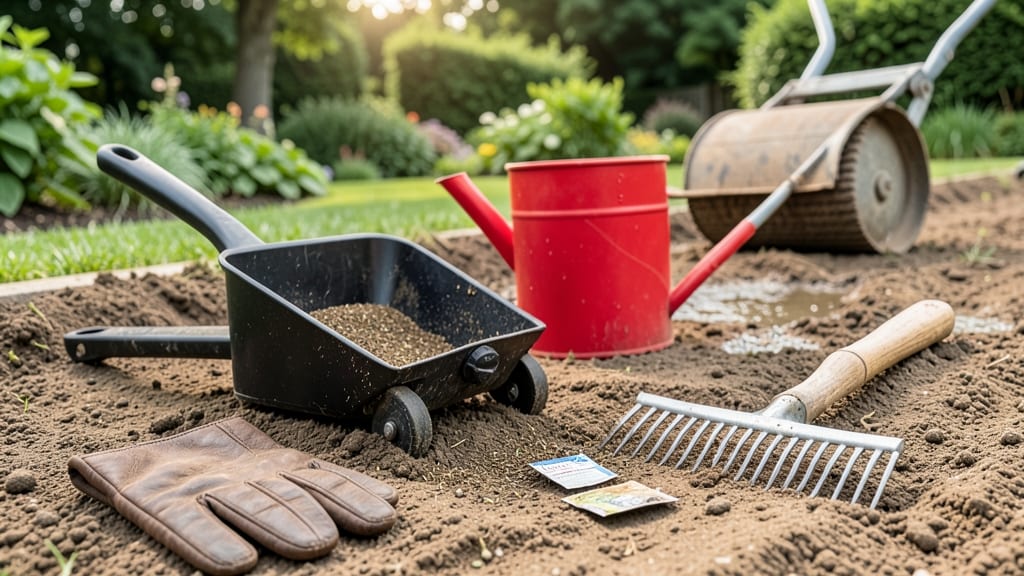
Autumn lawn seed sowing gives your grass a head start before winter—frost-resistant roots that outperform spring plantings every time. 🌱 I learned this the hard way after my spring lawn struggled with summer drought, while my neighbor’s fall-planted grass thrived through heat waves.
The secret? Cooler soil temperatures and fewer weeds mean stronger germination.
You’ll need a broadcast spreader or hand sower, high-quality seed (cool-season blends work best), and a light layer of compost to feed new roots. Most regions with temperate climates (Zones 3-8) see ideal conditions from late August to October—just before the first hard freeze.
Test your soil first; pH between 6.0-7.5 ensures perfect germination.
After sowing, keep the soil moist but not soggy for the first 2-3 weeks—that’s when roots establish. A light mulch of straw helps retain moisture without smothering sprouts. By spring, you’ll have a denser, greener lawn that crowds out weeds naturally, thanks to that early start.
This method works for new lawns, patchy areas, or overseeding—even in small yards or containers. The key? Timing. Miss autumn’s window, and you’ll pay for it in summer’s heat. Let’s get those seeds in the ground before the first frost!
📚 In This Guide
- What you need
- Instructions
- Tips and common mistakes
- Wrapping up and next steps
What you need
- ● High-quality lawn seed: Choose a cool-season grass mix (e.g., Kentucky bluegrass, fescue, or ryegrass) suited to your climate. Aim for 5–10 lbs per 1,000 sq ft, depending on seed type and desired density.
- ○ Soil amendment (optional but recommended): Compost (1–2 inches spread evenly) to enrich soil.
- ● Starter fertilizer (e.g., 10-10-10 or 20-20-20) with 0.5–1 lb of nitrogen per 1,000 sq ft to kickstart growth.
- ● Mulch or straw: Lightweight straw (not hay!) to protect seeds from drying out or birds. Use ¼–½ inch thick over seeded areas.
- ● Garden rake (with fine teeth) to level soil and remove debris.
- ● Broadcast spreader (manual or rotary) for even seed distribution.
- ○ Handheld spreader (optional) for edges or small areas.
- ● Garden hose with nozzle (for gentle watering).
- ● Knee pads or gloves (because crawling in dirt is not glamorous).
- ● Soil test: Check pH (ideal: 6.0–7.0) and amend if needed (e.g., lime to raise pH or sulfur to lower it).
- ● Weather window: Aim to sow 4–6 weeks before first frost for optimal germination.
- ● Clear the area: Remove weeds, rocks, and debris. Consider pre-emergent herbicide (if local regulations allow) 2–3 weeks before seeding.
- ● Loosen soil: Lightly till or aerate to a depth of ¼–½ inch for better seed-to-soil contact.
Step-by-Step instructions for sowing lawn seed in autumn
Here's how to plant a resilient lawn that thrives through winter and springs to life early next season.
🌱 Step 1: Prepare the Soil for Optimal Seed Contact
Start by mowing the existing grass as short as possible—this prevents shading and creates a clean base for new seed. Use a rake to remove all debris, then loosen the top 2-3 inches of soil with a garden fork or aerator. You're aiming for a fine, crumbly texture that lets roots penetrate easily. The goal is to expose soil without creating large clumps that could smother seedlings.
For compacted areas, rent a core aerator to pull small soil plugs. This creates pockets for seed-to-soil contact and improves water drainage. After aerating, lightly rake the surface again to smooth any rough spots. The soil should feel slightly gritty when rubbed between your fingers—this ensures seeds won't sit in heavy, wet clumps that can rot.
💧 Step 2: Spread Seed Evenly and Lightly Cover
Divide your lawn seed into four equal portions—this makes spreading easier and prevents clumping. Use a broadcast spreader set to the recommended setting for your seed type, or hand-scatter seeds in opposite directions for even coverage. Walk slowly to avoid missing spots, and overlap passes slightly to ensure uniform distribution.
Once seeds are down, lightly cover them with a thin layer of compost or fine topsoil—no more than ¼ inch deep. This protects seeds from drying out and predatory birds while allowing sunlight to reach them. Avoid pressing the soil down; you want it to settle naturally as you water. If you're seeding bare patches, press the seed into the soil lightly with your hand to ensure contact.
☀️ Step 3: Water Gently and Consistently for Germination
Water immediately after sowing to settle the seed into the soil. Use a fine mist setting on your sprinkler or a gentle hose attachment to avoid dislodging seeds. Keep the soil surface evenly moist (not soggy) for the first 7-10 days—this is critical for germination. You'll know you're doing it right when the top inch of soil feels damp but not dripping.
After germination, reduce watering slightly but maintain 1-1.5 inches per week. Water in the early morning to prevent fungal diseases from thriving in evening moisture. Avoid letting the soil dry out completely between waterings—young grass roots are shallow and need consistent hydration. If rain occurs, check soil moisture daily; you don't want to overwater once seeds sprout.
✂️ Step 4: Protect New Growth and Monitor for Frost
Once seedlings reach 2-3 inches tall, mow them for the first time using a sharp blade set to 3 inches high. This strengthens the roots and encourages a thicker lawn. Avoid mowing when the grass is wet, as this can damage the young blades. After mowing, water deeply to help the lawn recover.
As temperatures drop toward 32°F, the new grass will slow growth but won't die—this is the frost resistance you're aiming for. Apply a light layer of straw or winter mulch (not leaves) over seeded areas to insulate seeds from extreme cold. Remove the mulch in early spring once new growth appears. By late fall, your lawn should be established enough to handle winter's chill without losing next year's potential.
Tips & tricks for perfect autumn lawn sowing
Here's what I've learned from years of autumn lawn planting—and the mistakes that'll save you time and frustration.
Soil Prep is Everything: The 2-3 inch soil loosening in Step 1 isn't just about breaking up clumps—it's about creating oxygen pathways for those new roots. I've found that using a garden fork in a crisscross pattern (like a plus sign) creates even better pockets for seed contact. For compacted areas, consider renting a core aerator—it pulls soil plugs that create natural seed pockets. The key is to work the soil until it feels like crumbly cake batter between your fingers.
Seed Distribution Secret: Dividing your seed into four equal portions in Step 2 might seem like overkill, but it's a game-changer. I've seen people spread all their seed at once and end up with thick patches and bare spots. The four-portion method ensures even coverage—walk in opposite directions for the first two passes, then rotate 90 degrees for the final two. For large areas, consider using a broadcast spreader with a calibration chart to avoid over-seeding.
Watering Wisdom: That 7-10 day critical watering window in Step 3 is where most people fail. I've ruined lawns by either drowning seeds or letting them dry out. The trick is to water at the same time every morning (I use my phone's timer) and check soil moisture by grabbing a handful—it should feel like a damp sponge, not a dripping washcloth. For even coverage, use a sprinkler with a fine mist setting and move it slowly in overlapping passes. After germination, I switch to a soaker hose for deeper watering without disturbing the young plants.
Frost Protection Strategy: When temperatures approach 32°F in Step 4, don't wait until the first frost to apply mulch. I've learned the hard way that a light layer of straw (about ¼ inch thick) applied when nighttime temps hit 40°F provides better insulation. The straw also helps retain soil moisture during winter's dry spells. Pro tip: Use clean straw, not hay—hay contains weed seeds that'll sprout in spring. Remove the mulch in early spring when you see new growth pushing through, and rake away any remaining straw to prevent thatch buildup.
Pro Tips for Sowing Lawn Seed In Autumn
- Here's what I've learned from years of autumn lawn planting—and the mistakes that'll save you time and frustration.
- Soil Prep is Everything: The 2-3 inch soil loosening in Step 1 isn't just about breaking up clumps—it's about creatin...
- Seed Distribution Secret: Dividing your seed into four equal portions in Step 2 might seem like overkill, but it's a ...
Frequently asked questions
Got questions about timing, prep, or troubleshooting for your autumn lawn? You’re not alone! Here are answers to the most common concerns—so you can plant with confidence and enjoy a lush lawn come spring.
When is the exact best time to sow lawn seed in autumn?
Sow 4–6 weeks before your region’s first hard frost (usually late September to early November). This gives seeds time to germinate and establish roots before winter slows growth. Check your USDA Plant Hardiness Zone for local guidance—cooler temps (50–65°F) are ideal for germination.
Do I need to fertilize before or after sowing?
Apply a starter fertilizer (high in phosphorus) right before sowing to kickstart root growth. Skip heavy nitrogen fertilizers now—they encourage top growth, which weakens before winter. After germination, use a light nitrogen feed in early spring. Pro tip: Organic options like compost or bone meal work well too!
What if my soil is rocky or has poor drainage?
Autumn is a great time to improve soil before sowing. Loosen compacted areas with a rake or aerator, and mix in 2–3 inches of compost or sand (for drainage). For rocky spots, lay down cardboard or landscape fabric first, then top with 1–2 inches of soil and seed. Patience pays off—roots will find their way!
Can I overseed an existing lawn in autumn?
Overseeding in autumn thickens thin patches and crowds out weeds. Mow your lawn short (1–1.5 inches), aerate, spread seed, and cover lightly with straw. Water gently daily (not soaking) until germination. Choose a cool-season grass like fescue or ryegrass for best results.
Why did my seeds sprout but then die before winter?
Common culprits: drought stress (watering too little or unevenly), bird interference (cover seeds with netting), or thin soil (roots couldn’t anchor). Next time, water deeply twice daily (morning/evening) until seeds germinate, and ensure soil depth is at least 4 inches. A light mulch (straw) helps retain moisture too.
What’s the cheapest way to sow lawn seed in autumn?
Skip renting tools—use a garden rake ($10) for aerating, a handheld spreader ($15) for seed, and straw bales ($5) for mulch. Buy seed in bulk from local farms or online (check for no-name brands—they’re often just as good!). DIY prep (compost from yard waste) cuts costs further. Pro tip: Split costs with a neighbor for bigger areas!
Wrapping up and next steps
Sowing lawn seed in autumn is your secret weapon for a lush, resilient yard next spring! 🌱 The cooler temps and steady rain give seeds the perfect head start, while frost-hardy roots set the stage for a thriving lawn.
Don’t wait—grab your tools, follow the steps, and watch your hard work pay off in vibrant green come spring.
Ready to take the next step? Mark your calendar for early autumn planting (before the first frost) and gather your supplies. Then, roll up your sleeves—your future lawn will thank you!