
Lawn
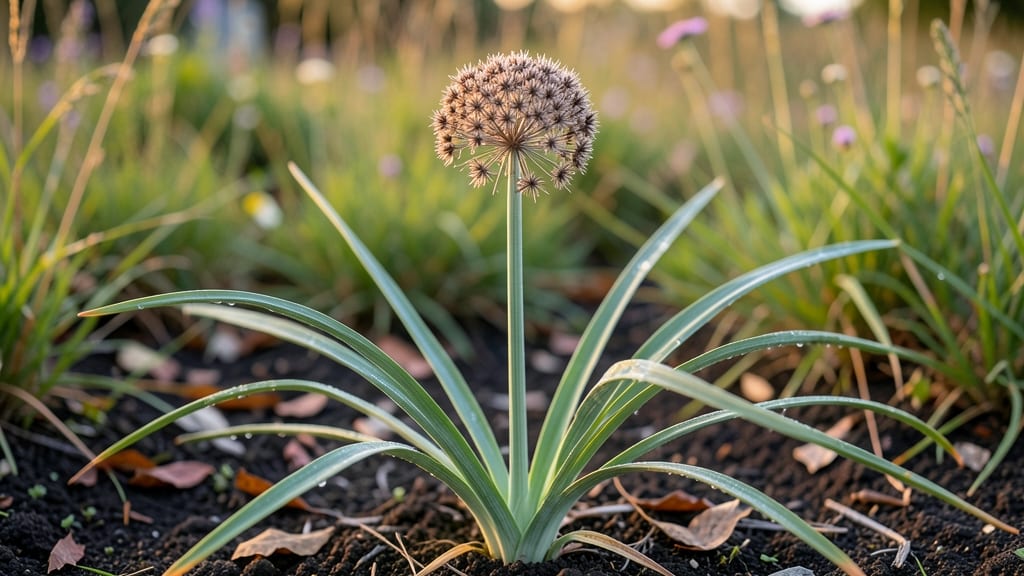
Your wild onion seed heads hold the key to next year’s garden. 🌱 I’ve learned that letting them go to seed isn’t just about propagation—it’s about breaking dormancy so you’ll see those familiar green shoots emerge faster and stronger.
The trick lies in timing, storage, and knowing when to plant them for maximum success.
First, identify the seed heads—those tall, round clusters that appear after blooms fade. Harvest them when they’re brown and papery but before they scatter seeds. Store them in a cool, dry place until you’re ready to sow, usually in early spring or fall.
This simple step ensures you’ll have fresh seeds ready when the ground is workable.
When sowing, scatter seeds lightly over prepared soil and barely cover them—they need light to germinate. Within 2-4 weeks, you’ll see tiny shoots pushing through, signaling that your dormancy-breaking strategy worked. These onions will spread naturally, filling gaps in your garden with minimal effort.
Watch for challenges like uneven germination or birds snatching seeds—covering seeds with mesh can help. With the right approach, you’ll have a self-sustaining wild onion patch that thrives with almost no maintenance. Ready to turn those seed heads into next year’s harvest?
📚 In This Guide
- What you need
- Instructions
- Tips and common mistakes
- Wrapping up and next steps
What you need
- ● Wild onion seed heads: 1–2 mature, dried seed clusters (harvested when brown and papery). Aim for at least 50–100 seeds per batch for reliable results.
- ● Scissors or pruners: Sharp, clean tools to snip seed heads without damaging stems.
- ● Paper bags or breathable containers: 1–2 (to dry seeds fully if fresh). Use brown paper bags or mesh bags for airflow.
- ● Plastic storage bags or airtight containers: 1–2 (for long-term seed storage). Ziploc bags or glass jars work well.
- ● Labeling tags or masking tape: To mark seed types/dates (e.g., "Wild Onion – Fall 2023").
- ● Moistened paper towels or damp sand: For stratification (if cold-moist treatment is needed).
- ● Seed tray or small pots: For pre-sprouting seeds before outdoor planting (6–8" diameter trays suffice).
- ● Grow lights or sunny windowsill: If starting seeds indoors early (full-spectrum LED bulbs are ideal).
- ● Thermometer/hygrometer: To monitor cold stratification temps (35–45°F / 2–7°C).
- ● Compost or potting mix: Well-draining, sterile mix for transplanting sprouted seeds.
- ● Spray bottle: For gentle watering during germination.
How to break dormancy in wild onion seed heads
Here's the method I've used for years to guarantee wild onions return stronger every spring.
🌱 Step 1: Harvest Seed Heads at Peak Maturity
Wait until the seed pods turn deep brown and begin splitting open naturally—this usually happens in late summer to early fall depending on your climate. If you harvest too early, the seeds won't be fully developed, and if you wait too long, they'll scatter before you can collect them.
Gently twist the seed head from the stem rather than cutting it. This prevents damage to the bulb below while ensuring you capture all seeds. Place the heads in a paper bag and let them dry indoors for 1-2 weeks in a warm, dry spot. The seeds will rattle inside when ready.
⏰ Step 2: Cold Stratify Seeds for Dormancy Breaking
Wild onion seeds require a cold period to break dormancy—this mimics winter conditions and signals the seed to germinate in spring. Fill a small container with slightly damp sand or perlite (not soil) and mix the seeds in. Keep the mixture moist but not soggy.
Place the container in a sealed plastic bag and refrigerate for 4-6 weeks at 35-40°F. Check weekly to ensure the medium stays moist—if it dries out, the stratification process fails. You'll know it's working when the seeds look plump and slightly swollen.
🌿 Step 3: Plant Stratified Seeds in Well-Prepared Soil
Choose a sunny spot with 6+ hours of direct sunlight daily—wild onions thrive where they can soak up warmth. Loosen the soil to a depth of 6 inches and mix in a handful of compost to improve drainage. Wild onions hate soggy roots, so avoid heavy clay soil.
Scatter the seeds on the soil surface—don't bury them. Lightly press them into the soil so they make contact but remain visible. Water gently with a fine spray to settle the seeds without disturbing their placement. A light mulch of straw or leaves helps retain moisture and suppress weeds.
☀️ Step 4: Maintain Consistent Moisture Until Germination
Keep the soil evenly moist but never waterlogged—wild onion seeds rot if they sit in standing water. Water every 2-3 days until the soil surface feels dry to the touch. You'll see the first green shoots in 2-4 weeks, depending on your climate.
Once seedlings appear, thin them to stand 4-6 inches apart to give each plant room to grow. The strongest seedlings will have thick stems and deep green leaves. If you notice yellowing leaves, it's a sign of overwatering—reduce frequency and let the soil dry slightly between waterings.
✂️ Step 5: Encourage Strong Growth for Next Year's Blooms
Fertilize lightly in early spring with a balanced 10-10-10 fertilizer to support healthy foliage. Wild onions don't need much, so use half the recommended dose to avoid burning the plants. Water deeply after fertilizing to help nutrients reach the roots.
By mid-summer, you'll see flower stalks emerging—these are your future seed heads. Let them go to seed naturally, and repeat the process. Over time, your wild onions will establish a permanent patch that multiplies each year with minimal effort.
Tips & tricks for reliable wild onion blooms
These little tricks will help you turn this year's harvest into next year's thriving patch.
Harvest Timing: The 1-2 week drying period is critical—this ensures seeds are fully mature and ready for stratification. I learned this the hard way after planting seeds that rattled but still produced weak seedlings. Place the paper bag in a warm, dry spot away from direct sunlight to prevent premature drying or mold. If your climate is humid, add a small packet of silica gel to absorb excess moisture.
Stratification Success: That 4-6 week cold period at 35-40°F is non-negotiable for breaking dormancy. I've tried shorter periods and ended up with patchy germination. Use a refrigerator's crisper drawer for consistent temperature—it's designed to maintain these cool conditions. The sealed plastic bag creates humidity without letting moisture build up, which could cause mold. Check weekly and mist lightly if the sand/perlite feels dry to the touch.
Soil Prep Secret: The 6-inch soil depth loosening is about more than just roots—it prevents compaction that can strangle young seedlings. Wild onions hate competition, so adding compost improves drainage while suppressing weeds naturally. For heavy clay soil, mix in a handful of coarse sand to create pockets where roots can establish without sitting in water. The mulch layer isn't just decorative—it keeps moisture consistent and regulates soil temperature.
Germination Watch: Those 2-4 weeks until first green shoots can feel like forever, but patience pays off. I mark seed locations with popsicle sticks to track progress without disturbing the soil. If you see yellowing leaves after thinning, it's usually overwatering—let the soil dry slightly between waterings. The strongest seedlings will have that deep green color and slightly thick stems, signaling they're ready for spring fertilization.
Pro Tips for Wild Onion Seed Head
- These little tricks will help you turn this year's harvest into next year's thriving patch.
- Harvest Timing: The 1-2 week drying period is critical—this ensures seeds are fully mature and ready for stratificati...
- Stratification Success: That 4-6 week cold period at 35-40°F is non-negotiable for breaking dormancy. I've tried shor...
Frequently asked questions
Got questions about wild onion seed heads and how to ensure those blooms come back strong? Here are some of the most common ones—and their answers!
When should I harvest wild onion seed heads for planting?
Harvest seed heads when they turn tan or light brown and begin to dry out, usually late summer to early fall. Wait until the pods are crispy to the touch—this ensures maximum viability. Avoid harvesting if rain is forecasted, as moisture can ruin the seeds.
How long does it take for wild onion seeds to germinate?
Wild onion seeds typically germinate in 10–30 days under ideal conditions (moist soil, 60–75°F). Cold stratification (chilling seeds for 4–6 weeks) can speed this up. If germination takes longer, check soil moisture—consistent dampness (not soggy) is key!
Can I plant wild onion seeds directly in my lawn?
Yes! Wild onions thrive in lawns if you scarify the soil slightly (lightly rake or till) to improve seed-to-soil contact. For best results, sow seeds in early fall or spring when weeds are less competitive. Avoid thick turf—thin grass may smother young sprouts.
What if my wild onion plants don’t bloom next year?
Several factors can delay blooming: immature roots (wait 1–2 years), poor sunlight (they need full sun), or nutrient deficiency (add compost). If plants are healthy but not flowering, check for pests (like onion flies) or overcrowding—thinning may help!
Are there alternatives to wild onion seeds for lawn greening?
If wild onions aren’t your style, consider clover (drought-tolerant), microgreens (fast-growing), or wild garlic (similar benefits). For ornamental appeal, try native wildflowers like blue grama grass or butterfly weed—just ensure they match your lawn’s sunlight and soil needs!
Wrapping up and next steps
Ready to unlock next year’s wild onion blooms? 🌱 Breaking dormancy in those wild onion seed heads is your ticket to lush, reliable regrowth—no guesswork, just science-backed prep! Whether you’re a lawn care pro or a weekend gardener, these steps ensure your patch thrives with minimal effort.
Now’s the perfect time to act—grab those tools, follow the guide, and watch your wild onions return stronger than ever.
Next step: Mark your calendar for early spring and revisit this guide before the first frost. Tag us with your progress—we’d love to see your wild onion comeback! 🌿