
Companion Plants
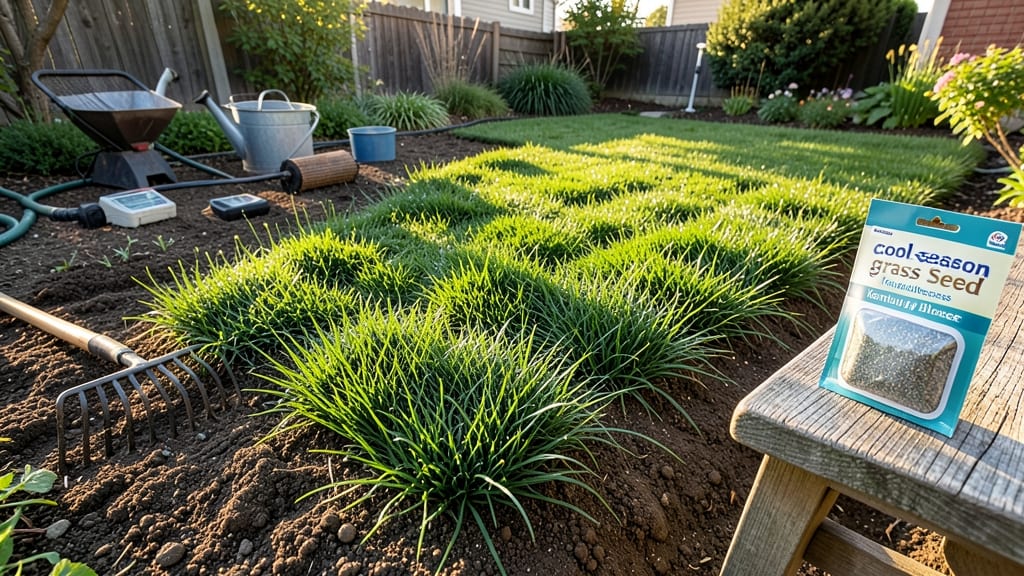
Planting grass seed in Colorado at the right time ensures thick, weed-resistant lawns that survive the state’s dry climate and wide temperature swings.
Timing matters more than you might think—plant too early, and drought or heat will stress your young grass before it takes root. Too late, and weeds will outcompete your seedlings before winter sets in.
Colorado’s cool-season grasses like Kentucky Bluegrass and Tall Fescue need that 6-week window between summer’s last heatwave and frost to establish strong roots.
The best months for most regions are early September to mid-October, when soil stays warm enough for germination but nights cool down—perfect for seedling growth. Spring planting (mid-April to early May) works too, but fall is the gold standard for avoiding summer stress and weed invasions.
In this guide, I’ll break down the exact planting schedule for your USDA zone, soil prep tips for Colorado’s alkaline soils, and how to keep wildlife from turning your lawn into a buffet. Let’s get that grass growing!
Best planting windows for Colorado’s cool-season grass types
Colorado’s cool-season grasses—like Kentucky Bluegrass, Fine Fescue, and Tall Fescue—thrive when planted during optimal temperature windows. Unlike warm-season grasses, these varieties establish best when soil temps hover between 60–75°F, avoiding summer heat or winter dormancy.
The Front Range and Western Slope have slightly different timing due to elevation and microclimates, so I’ll break it down by region.
For most of Colorado, early fall (September–October) is the golden window for planting.
This timing allows grass to establish 4–6 weeks before frost, giving roots time to grow deep before winter. Spring planting (April–May) is your second-best option, but it comes with more challenges like weed competition and drought stress as temperatures rise.
Let’s dive into the specifics for each grass type and region.
🌱
| Grass Type | Best Planting Window (Front Range) | Best Planting Window (Western Slope) | Key Consideration |
|---|---|---|---|
| Kentucky Bluegrass | Early Sept–Mid Oct | Late Aug–Early Oct | Needs consistent moisture; avoid late fall planting. |
| Fine Fescue | Mid Sept–Early Nov | Late Aug–Mid Oct | Drought-tolerant; ideal for slopes and high elevations. |
| Tall Fescue | Late Aug–Mid Oct | Late Aug–Early Sept | Deep roots; best for dry, sunny spots. |
| Spring Planting (All Types) | Mid April–Early May | Early April–Mid May | Higher weed risk; water daily for 2 weeks. |
The Front Range—including Denver, Boulder, and Fort Collins—has a longer growing season due to lower elevations (USDA Zones 5–6). Here, you can plant Kentucky Bluegrass as late as mid-October, but avoid pushing it past October 15 to prevent frost damage.
For Fine Fescue, the window extends slightly later because it’s more cold-hardy and tolerates shorter daylight better.
On the Western Slope (e.g., Grand Junction, Aspen, Durango), cooler temps and earlier frosts (USDA Zones 4–6) mean you should start planting 2–3 weeks earlier. Tall Fescue is my top recommendation here because it handles dry conditions and high altitudes like a champ.
If you’re in Zone 4 (e.g., Steamboat Springs), aim to finish planting by September 15 to avoid winter stress.
One common mistake I see is planting too late in fall or too early in spring. For example, seeding Kentucky Bluegrass in November leaves it vulnerable to frost heave, while planting in June exposes young grass to summer drought and crabgrass competition.
To avoid these pitfalls, always check your last frost date—most Colorado regions have their first frost between October 1–15.
If you’re in Zone 7 (southern Colorado), like Pueblo or Colorado Springs, you can push your fall planting window slightly later—up to early November. However, I still recommend finishing by Halloween to ensure roots establish before winter.
For spring planting, wait until after May 1 to avoid late frosts, which can burn tender seedlings.
Pro tip: Use a soil thermometer to confirm temps are below 75°F before planting in spring.
If temps spike above 80°F, switch to shade cloth or delay until fall. Fine Fescue is the most forgiving in these conditions, making it a great choice for high-altitude gardens or late-season plantings.
For shady lawns (less than 4 hours of sun), Fine Fescue is your best bet—it thrives in partial shade and has a slower growth rate, reducing mowing needs.
If your lawn gets full sun, Tall Fescue or a Kentucky Bluegrass mix will give you the densest, greenest turf. Just remember: water deeply 2–3 times per week during establishment, regardless of grass type.
Finally, don’t overlook microclimates. A south-facing slope in Denver might warm up faster than a north-facing yard, so adjust your planting date accordingly. If you’re unsure, err on the side of earlier planting
How to prepare your soil for fall planting success
Colorado’s alkaline soils and dry climate demand extra prep work before planting grass seed in fall. Without proper soil preparation, your new lawn may struggle to establish roots or fall victim to weed competition.
The key is creating an environment where seeds can germinate quickly and roots grow deep before winter arrives.
Fall planting offers cooler temperatures and consistent moisture—ideal conditions for grass seed. But before you scatter seeds, focus on three critical steps: soil testing, pH adjustment, and aeration.
Colorado’s high pH (often 7.5–8.5) can lock out essential nutrients, while compacted soil restricts root growth. Let’s break down the process to ensure your lawn gets off to a strong start.
Use a soil test kit (available at garden centers) or send a sample to a lab like CSU Soil Testing Lab. Aim for a pH of 6.0–7.0—Colorado’s alkaline soils often need sulfur or peat moss to lower pH.
If pH is too high, mix in elemental sulfur (1–2 lbs per 100 sqft) or composted pine bark. For sandy soils, add organic matter like compost or peat moss to improve water retention.
Rent a core aerator to pull 3–4 inch plugs from the lawn, creating channels for roots and water. Focus on areas with thin grass or bare spots. Do this 1–2 weeks before planting.
Spread a low-nitrogen starter fertilizer (10-10-10 or 16-4-8) at 1/4 lb nitrogen per 1,000 sqft. This jumpstarts root growth without encouraging top-heavy growth before winter.
Use a bow rake to smooth the surface, removing debris and creating a fine seedbed. Aim for a texture like crushed velvet—just rough enough to hold seeds in place but not compacted.
After aerating and amending, let the soil settle for 3–5 days before planting. This gives nutrients time to integrate and reduces the risk of seed washout during watering. For Colorado’s dry climate, consider adding a thin layer of mulch (like straw) to retain moisture without smothering seeds.
Pro tip: If your lawn has existing weeds, apply a pre-emergent herbicide 2–3 weeks before planting to prevent crabgrass and other annual weeds from competing with your new grass. Just be sure to choose a product labeled safe for new seed germination.
With these steps, your soil will be primed for fast germination and deep root development, setting your Colorado lawn up for success as temperatures drop. The extra effort now means less work—and fewer weeds—in the spring! 🌱