
Plants
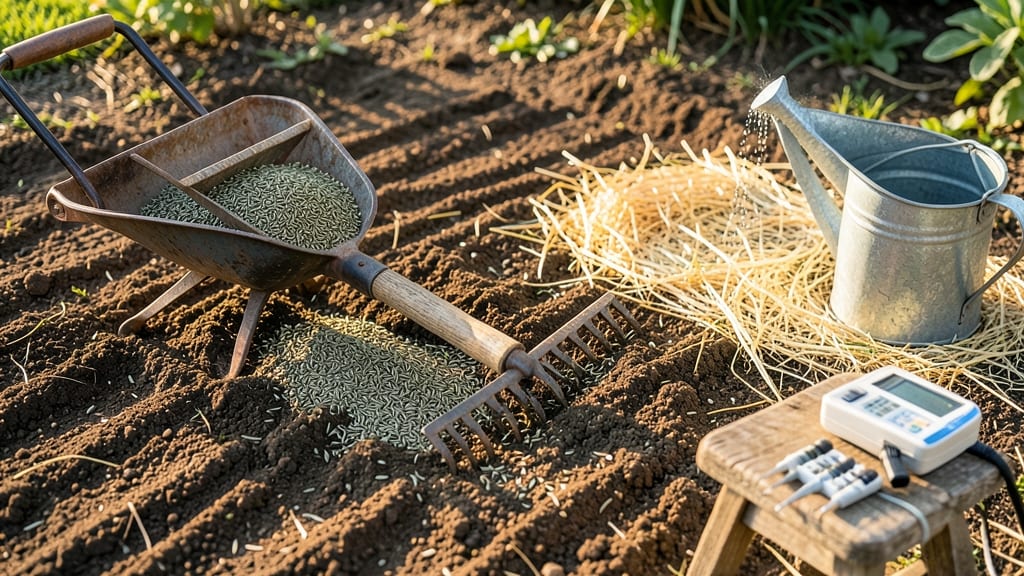
Planting grass seed in the fall gives your lawn the strongest start before winter 🌱 — aim for 4-6 weeks before your first frost date to lock in root growth.
Fall is the perfect time to plant grass seed—cooler temperatures and fewer weeds mean stronger roots before winter. But timing matters: plant too early, and weeds take over; too late, and frost stunts growth.
In USDA Zone 6a, like much of the Midwest, the ideal window runs from mid-September through early October. That’s when soil stays warm enough for germination but days are short enough to avoid drought stress.
Here’s how to adjust for your region, spot the perfect planting moment, and even salvage a late start with cold-hardy varieties and protective tricks.
Best fall months to plant grass seed by USDA climate Zone
Timing your grass seed planting in the fall is all about balancing soil warmth and frost risk. In USDA Zones 3-10, the ideal window varies dramatically—from late summer in the South to early fall in the North.
Plant too early, and weeds steal nutrients; too late, and cold snaps halt germination. Let’s break it down by zone to ensure your lawn gets a healthy head start before winter.
For most regions, the sweet spot is 4-6 weeks before your first frost date. This gives seeds time to germinate, develop roots, and establish before dormancy. But your exact timing depends on where you live.
Northern gardeners (Zones 3-5) should aim for late August to mid-October, while Southern gardeners (Zones 8-10) can stretch into November or even December in milder microclimates.
Here’s the zone-by-zone breakdown with ideal months, soil temperature thresholds, and regional adjustments to avoid common pitfalls like overly competitive weeds or frost damage:
In Zones 3-4, where winters are harsh, I recommend planting by mid-September at the latest. Cooler soil temperatures slow germination, and seeds need 6-8 weeks to establish roots before the ground freezes.
For example, in Minnesota or upstate New York, aim for late August to avoid early frosts that can kill tender seedlings. Use a soil thermometer to confirm temperatures are above 50°F—any cooler, and germination stalls.
Gardeners in Zones 5-6 have a slightly longer window, but don’t wait too long. Mid-September to early October is ideal for these transitional zones. Here, weed competition ramps up in late fall, so pre-emergent herbicides (applied 2 weeks before seeding) can help.
If you’re in Wisconsin or Pennsylvania, monitor your local first frost date—planting after October 15th risks weak root development before winter.
For Zones 7-8, the fall window stretches into November, but timing depends on your microclimate. In Tennessee or the Carolinas, a south-facing slope or urban heat island can push your planting window 2-3 weeks later than rural areas.
If frost is unpredictable, consider staggered seeding: plant half your seed in late September and the rest in early October to ensure some germination success.
In Zones 9-10, where winters are mild, you can plant grass seed well into December—but only if your soil stays above 60°F. Coastal regions like Southern California or Florida often see no frost, making late fall an excellent time to overseed or repair thin lawns.
For warm-season grasses, focus on October to November to take advantage of cooler temps and higher humidity, which reduce stress on new seedlings.
Pro tip: If you’re unsure about your first frost date, check the USDA Plant Hardiness Zone Map and add 4-6 weeks to your local frost date for the ideal planting window.
For example, if your first frost is November 15th, aim to plant by October 1st. This ensures seeds have enough time to germinate and develop roots before dormancy sets in.
One final adjustment: If you’re in a high-altitude area (e.g., Colorado, Utah), temperatures drop faster than at sea level. Plant 2 weeks earlier than the zone guidelines suggest to account for cooler nights. Conversely, in urban heat islands, soil
Signs your fall grass planting timing is perfect (or too late)
Nailing the perfect fall planting window for grass seed means balancing soil warmth and frost timing. The ideal scenario gives your grass 4-6 weeks of growth before winter dormancy.
Too early, and weeds steal the show; too late, and frost halts germination. Here’s how to tell if you’ve got the timing right—or if you’ve missed your chance.
First, check your soil temperature—it’s the #1 indicator. Grass seed needs soil between 60–75°F to germinate properly. If it’s cooler than 50°F, germination slows dramatically. Use a soil thermometer (just $10 at garden centers) to test 2–3 inches deep.
Pro tip: Morning is the best time to check, as afternoon sun can skew readings.
Next, consult your local frost dates. Planting 4–6 weeks before the first frost gives grass enough time to establish roots. For example, in USDA Zone 5, aim for mid-September; in Zone 8, late October works. Miss this window? Don’t panic—we’ll cover late-start strategies later.
- 🌡️ Soil temp 60–75°F: Ideal for germination. Below 50°F, growth stalls.
- 📅 4–6 weeks to frost: Grass needs time to root before winter dormancy.
- 🌱 Weed-free soil: Fewer weeds compete when planted in cooler fall temps.
- ☀️ 6+ hours of sun: Ensure your lawn gets full sun daily for best results.
- 💧 Moisture retention: Soil should stay damp but not soggy for 2–3 weeks post-planting.
Watch for weed activity—another key sign. Fall planting is ideal because weeds like crabgrass and chickweed are less aggressive in cooler weather. If you see new weeds sprouting after planting, you might’ve started too early.
Pre-emergent herbicides can help, but organic mulch (like straw) is a safer bet for natural lawns.
Finally, pay attention to your grass’s growth rate. If seedlings emerge within 7–14 days and grow 1–2 inches per week, you’re golden. Slower growth? You may have planted too late.
In Zone 7+, you can sometimes squeeze in a late November planting if soil stays above 55°F, but this is risky.
Use this quick readiness checklist before planting: ☑️ Soil temp 60–75°F, ☑️ 4–6 weeks to frost, ☑️ Weeds minimal, ☑️ Full sun exposure, ☑️ Moisture-retentive soil. Check all boxes? You’re ready to sow! Missed one? Adjust your timeline or try cold-hardy varieties like tall fescue or ryegrass.