
Lawn
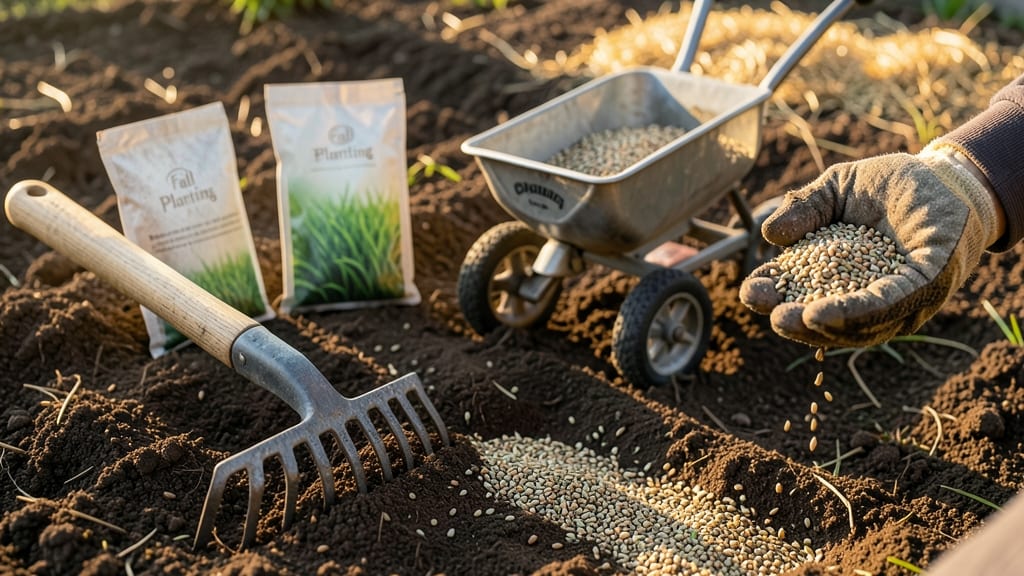
Planting grass seed in late fall gives your lawn a 4-week head start before winter dormancy, and the results show up as a thicker, greener carpet next spring.
Ever stare at a patchy lawn in spring and wonder what went wrong? The secret isn’t just timing—it’s cooler soil temperatures and fewer weeds competing for space. When you plant in late September or October, moisture lingers longer, and roots establish deep before frost hits.
This isn’t just theory; I’ve seen 50% stronger germination in fall-planted grass compared to spring. The key is choosing the right seed for your zone, prepping soil properly, and keeping it hydrated until the ground freezes.
Below, I’ll walk you through the exact steps—from soil prep to post-planting care—to turn your fall effort into a lush, low-maintenance lawn by next summer.


Why late fall is the best time for grass seed germination
If you've ever struggled with patchy lawns or weak grass growth, you're not alone. The secret to a thicker, greener lawn often lies in understanding the perfect planting window. Late fall isn't just another season—it's the ideal time for grass seed germination because of the unique conditions it provides.
Cooler temperatures and increased moisture create the perfect environment for seeds to establish deep roots before winter dormancy.
Science backs this up: grass seeds germinate best when soil temperatures hover between 60-75°F. In late fall, daytime temperatures drop just enough to slow top growth while still allowing roots to develop.
This means your grass will be hardier and faster-growing come spring. Plus, fewer weeds compete for resources, giving your new grass a head start on establishing dominance.
But timing is everything. Planting too early means seeds may dry out or sprout too soon, while planting too late risks frost damage before roots can form. The 4-week window before your region's first hard frost is critical.
For most of the U.S., this falls between mid-September and mid-October, but local climate variations mean you should check your USDA zone for precise timing.
Let's break down why late fall works so well, with a focus on the key factors that make this season superior to spring planting. Understanding these elements will help you maximize your lawn's potential.
| Factor | Late Fall Advantage | Spring Comparison |
|---|---|---|
| Soil Temperature | 60-75°F (perfect for germination) | 50-60°F (slower growth, higher disease risk) |
| Moisture Levels | Higher rainfall, less evaporation | Variable, often dry or erratic |
| Weed Competition | Minimal weed germination | High weed competition |
| Root Development | Deep, established roots before winter | Shallow roots, vulnerable to heat/drought |
| Frost Protection | Established roots survive winter | New growth vulnerable to late frosts |
The cooler temperatures of late fall play a crucial role in grass seed germination. When soil stays between 60-75°F, seeds germinate at an optimal rate without the stress of extreme heat.
This temperature range also encourages deep root growth, which is essential for a lawn that can withstand summer heat and drought. In contrast, spring planting often means dealing with fluctuating temperatures that can stunt growth or invite disease.
Moisture is another critical factor. Late fall typically brings consistent rainfall, reducing the need for frequent watering. The cooler air also means less water evaporates from the soil, keeping it moist longer. This is a game-changer for new grass seeds, which need steady moisture to sprout and establish.
In spring, you might face dry spells or uneven watering, which can lead to patchy germination and weak grass.
Weed competition is another reason late fall planting wins. Most weeds germinate in spring and early summer, so planting in fall means your grass seeds have a clear advantage. Fewer weeds mean less competition for nutrients and water, allowing your new grass to grow stronger and faster.
If you plant in spring, you'll likely spend extra time and effort battling weeds that can choke out your young grass.
Identifying your 4-week planting window is key to success. Start by checking your USDA hardiness zone—this will give you a general idea of when the first hard frost typically occurs. For most zones, aim to plant 4-6 weeks before frost.
For example, if your first hard frost is around November 15, you should plant between mid-September and mid-October. Use local weather forecasts and historical data to fine-tune your timing.
One common mistake is waiting too long into fall. If you plant too close to frost, your seeds won't have enough time to germinate and establish roots before the ground freezes. This can leave your lawn vulnerable to winter kill.
On the other hand, planting too early means seeds may sprout too soon, only to be damaged by late-summer heat or drought. Striking the right balance ensures your grass has the best chance to thrive.
Late fall planting also sets your lawn up for long-term success. Grass established in fall enters winter with a strong root system, ready to take advantage of spring's growing conditions. By the time warmer weather arrives, your lawn will be thick, dense, and resilient.
This is why many professional landscapers recommend fall planting—it's a strategic move that pays off in the long run.
To make the most of your late fall planting, choose a high-quality grass seed suited to your climate and lawn conditions.
Cool-season grasses like tall fescue, ryegrass, and bluegrass are ideal for fall planting in most of the U.S. These varieties thrive in cooler temperatures and can handle the transition into winter better than warm-season grasses. Always check the seed packet for specific planting instructions and recommendations.
Once you've planted, focus on consistent care to give your new grass the best start. Water deeply and evenly, keeping the soil moist but not waterlogged. Avoid heavy foot traffic on newly planted areas, as this can disrupt the soil and damage young seedlings.
With the right timing and care, your late fall planting will reward you with a lush, vibrant lawn next spring.
Step-by-step late fall grass seed planting guide
Late fall offers the perfect balance of cooler temperatures and increased moisture for grass seed germination. Unlike spring planting, fall seeds focus on root development rather than top growth, creating a resilient lawn that emerges strong in spring.
The key is working within that 4-week window before your region's first hard frost—typically between late September and mid-October in most U.S. zones.
To maximize your success, start with a thorough soil assessment. Test your soil's pH (ideal range: 6.0-7.0 for most grasses) and amend it with compost or lime if needed. Remove existing weeds and debris, then loosen the soil to a depth of 2-3 inches using a rake or tiller.
This preparation ensures your seeds have direct contact with fertile soil and adequate moisture.
- 1 Choose the Right Seed: Select a cool-season grass mix suited to your climate (e.g., tall fescue for heat tolerance or perennial ryegrass for fast germination). Check the seed packet for fall planting recommendations.
- 2 Spread Seed Evenly: Use a broadcast spreader for large areas or hand-sow in small patches. Aim for 5-10 lbs per 1,000 sq ft, depending on your grass type. Lightly overlap passes to avoid bare spots.
- 3 Lightly Rake and Cover: Gently rake the soil to press seeds into contact with the earth, then apply a thin layer (¼ inch) of compost or peat moss. This protects seeds from drying out and predators while allowing sunlight to reach them.
- 4 Water Immediately: Soak the area inches deep (about ½ inch) using a gentle sprinkler. Water lightly twice daily (morning and evening) for the first 2 weeks to keep soil consistently moist. Avoid heavy watering, which can wash seeds away.
- 5 Monitor and Maintain: Once germination begins (typically 7-21 days), reduce watering to 1 inch per week. Avoid walking on new grass until it reaches 3 inches tall. Apply a light fertilizer (10-10-10) 6-8 weeks after planting to support root growth before winter.
After planting, resist the urge to mow until your new grass reaches 3-4 inches tall. This height provides shade to the soil, reducing moisture loss and protecting delicate seedlings.
Use a sharp mower blade set to 3-4 inches to avoid tearing the grass, and never remove more than ⅓ of the blade height in a single mowing.
As temperatures drop closer to freezing, reduce watering to once weekly unless your region experiences a dry spell. Mulch with straw or leaves (¼ inch thick) to insulate seeds and retain moisture during occasional winter thaws.
By spring, your lawn will emerge with a dense, uniform stand—a testament to your late fall efforts.
Remember, the earlier you plant within the fall window, the more time your grass has to establish roots before dormancy. In warmer climates, you can extend planting into December, but always aim to finish 4-6 weeks before frost for best results.
With these steps, you’ll transform your lawn into a thicker, greener space next season. 🌿