
Plants
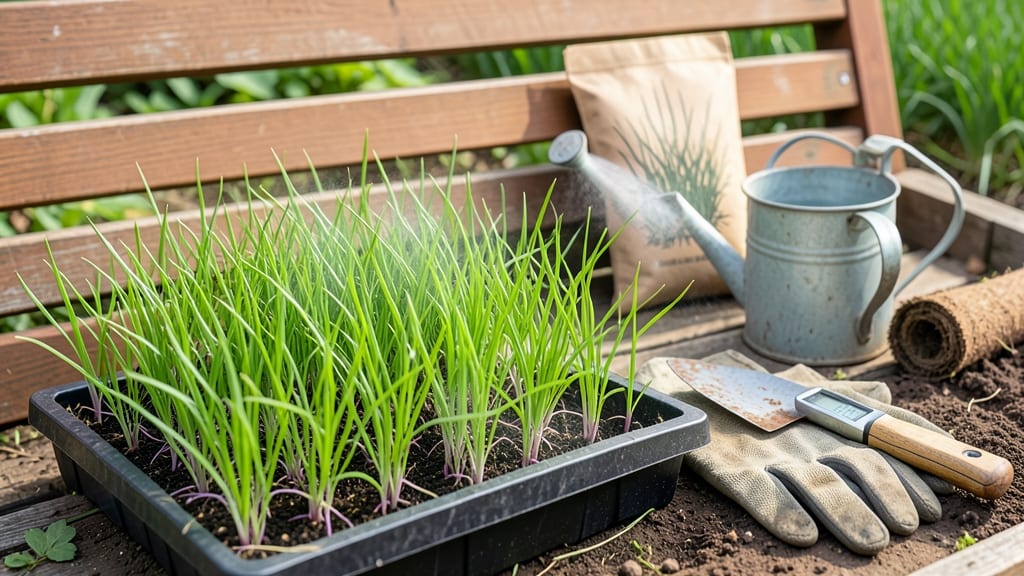
Planting Bermuda seed in Oklahoma between late April and early June is the key to a lush, heat-resistant lawn that survives the state’s brutal summers.
You’ve probably heard Bermuda grass is tough, but timing matters more than you think. Plant too early, and frost will kill your seeds before they sprout. Too late, and your lawn won’t establish strong roots before the scorching heat sets in.
Oklahoma’s 6a-7b climate zones mean soil temperatures must hit at least 65°F for germination to succeed. That’s why late April to early June is the sweet spot—warm enough for seeds to wake up but cool enough to avoid drought stress during early growth.
In this guide, I’ll break down the exact planting window by region, soil prep tips for Oklahoma’s clay-heavy dirt, and how to avoid common mistakes that leave lawns sparse or patchy.
Optimal Bermuda seed planting timeline in Oklahoma (late April to early June)
Timing your Bermuda grass seed planting in Oklahoma is critical—this heat-loving grass needs warm soil and consistent temperatures to germinate properly.
The ideal window spans late April through early June, but your exact timing depends on whether you're in northern or southern Oklahoma, where microclimates create distinct planting opportunities.
Southern Oklahoma gardeners (USDA zones 7a-8a) can start as early as mid-April when soil temperatures consistently reach 75°F+. Meanwhile, northern Oklahoma (zones 6a-7a) should wait until late April to early May to avoid late frost damage.
Aligning with last frost dates (typically April 15) ensures your seeds won't be nipped by unexpected cold snaps.
Soil temperature is your best indicator—use a soil thermometer to confirm 65°F+ at 4-inch depth before planting. Bermuda grass seeds won't germinate in cold soil, and waiting ensures faster, more uniform growth once established. This grass thrives in Oklahoma's intense summer heat, so early planting gives roots time to develop before the peak heat arrives in July.
| Region | Best Planting Window | Soil Temp Threshold | Key Consideration |
|---|---|---|---|
| Southern OK (7a-8a) | Mid-April to early May | 75°F+ at 4" | Warmer microclimate; earlier frost-free dates |
| Central OK (7a) | Late April to early June | 68°F+ at 4" | Moderate climate; balance frost risk and heat |
| Northern OK (6a-7a) | Early to mid-May | 70°F+ at 4" | Later frost dates; cooler spring soils |
| All Regions | After April 15 | 65°F+ minimum | Avoid late frost damage to seedlings |
For northern Oklahoma, focus on early May planting when daytime highs consistently exceed 80°F. This timing gives your Bermuda grass 6-8 weeks of warm weather before summer's peak, allowing roots to establish before the hottest months.
In contrast, southern Oklahoma can push planting to late May if early efforts were delayed by rain or cool spells.
Monitor your local extended weather forecast for the next 10 days before planting—consistent dry, warm conditions (75°F+) are ideal. Bermuda grass seeds need moisture but not soggy soil to germinate, so plan to water lightly daily for 2-3 weeks after planting.
Avoid planting during prolonged rain forecasts, as excess moisture can cause seed rot or fungal issues.
One common mistake is planting too late in June, which forces Bermuda grass to struggle through Oklahoma's summer heat waves. Seedlings planted after June 15 often brown out before establishing, leaving lawns vulnerable to weeds.
Instead, aim for early June as your absolute deadline—this gives your grass 6 weeks of growing season before winter dormancy begins.
Consider fall overseeding (late August to September) if your spring planting was delayed. While Bermuda grass is primarily a warm-season grass, some varieties can establish in cooler fall temperatures (60°F+).
This approach is especially useful for northern Oklahoma where spring planting windows are tight. Just be prepared to water more frequently in fall to compensate for shorter daylight hours.
Pro tip: Test your soil's moisture retention before planting—Oklahoma's clay-heavy soils can become waterlogged if not amended. Mix in compost or sand to improve drainage, which helps Bermuda grass roots access oxygen and nutrients during critical germination stages.
A well-prepared seedbed makes all the difference in germination speed and lawn density.
Remember, Bermuda grass is aggressive and fast-growing once established, but it needs the right start. By aligning your planting with soil temperatures, regional frost dates, and weather forecasts, you'll give your lawn the competitive edge it needs to outperform weeds and thrive through Oklahoma's brutal summers. 🌱☀️
How to prepare Oklahoma soil for Bermuda seed (before planting)
Bermuda grass thrives in Oklahoma’s heat, but only if your soil is properly prepped. Clay-heavy soils common across the state need special attention to ensure seeds germinate and roots establish quickly.
The key is balancing pH levels, tilling depth, and weed suppression before planting—especially in late April to early June, when soil temps finally hit that critical 75°F+ threshold.
Start by testing your soil’s pH level—Bermuda grass prefers a range of 6.0 to 7.0. Oklahoma’s alkaline soils often skew higher, so you may need to add sulfur or peat moss to adjust.
A simple soil test kit (available at local garden centers) will tell you exactly what amendments your lawn needs before you even plant.
Once your soil pH is ideal, it’s time to till the area to a depth of 3 to 4 inches. This breaks up compacted clay and creates a loose, seed-friendly bed.
Use a rototiller for larger areas or a hand cultivator for smaller patches. Aeration is especially critical in Oklahoma’s heavy clay, as it improves water and nutrient absorption for those delicate new roots.
⚠️ WARNING: Don’t Till Too Deep or Too Early! ⚠️
Weed control is another non-negotiable step—Bermuda grass seedlings can’t compete with aggressive weeds like crabgrass or dandelions. Apply a pre-emergent herbicide (like pendimethalin) 2 weeks before planting to block weed seeds from germinating. For organic options, use corn gluten meal as a natural pre-emergent. After tilling, rake the area smooth to create a firm, even seedbed—this prevents seeds from sinking too deep or washing away during watering.
Finally, add a starter fertilizer with a high-phosphorus blend (like 5-10-10) to encourage root development. Spread it evenly over the tilled soil and lightly rake it in. Phosphorus is the secret weapon for Bermuda grass seeds—it helps them establish a strong root system before the Oklahoma summer heat arrives.
Water the area lightly to activate the fertilizer, but hold off on heavy watering until after seeding to avoid washing seeds away.
With your soil prepped, pH balanced, and weeds suppressed, your Bermuda seed will have the perfect foundation to thrive. The next step? Planting at the right time—late April to early June—when soil temps are warm and frost-free days are guaranteed. Your lawn’s success starts here! 🌱