
Plants
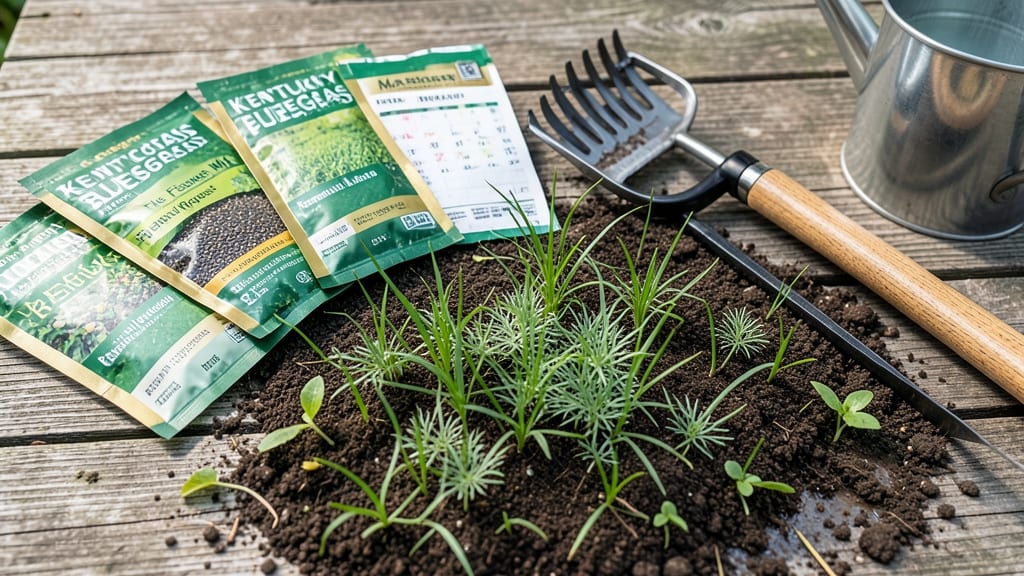
Planting grass seed in Massachusetts too late in fall can leave your lawn vulnerable to winter stress, and the exact deadline depends on your zone and soil conditions.
Massachusetts gardeners often rush to plant grass seed in early fall—but planting too late can leave your lawn struggling to establish roots before winter’s chill.
The last safe window for fall planting is typically 4-6 weeks before the first frost, which lands between mid-September and early October in most of the state.
Why does timing matter so much? Grass seed needs consistent warmth and moisture to germinate, and once temperatures drop below 50°F (10°C), the process slows dramatically.
In USDA Zones 5b-6b, that means acting fast—especially if you’re in northern areas like Worcester, where frost can arrive earlier than Cape Cod.
Below, I’ll break down the exact deadlines by region, how to tell if you’ve missed the window, and what alternatives—like overseeding in spring—can still give you a lush lawn. Ready to set your calendar?
Massachusetts fall grass seed planting deadlines by climate Zone (2024)
Fall is the perfect time to plant grass seed in Massachusetts, but timing is critical. If you plant too late, seeds may not establish roots before winter frost, leaving your lawn vulnerable to weeds and poor growth.
The ideal window varies by climate zone, with northern regions like Worcester having stricter deadlines than southern areas like Cape Cod.
Grass seeds need 4-6 weeks of warm soil and cool air to germinate and develop strong roots before winter dormancy. Soil temperatures should stay above 50°F (10°C) for at least 4 weeks post-planting. If frost arrives before roots establish, your lawn will struggle to recover in spring.
Here’s your zone-specific deadline for fall grass seed planting in Massachusetts, based on USDA Zones 5b-7a and historical frost data:
| Climate Zone | Last Planting Date | Soil Temp Requirement | Frost Risk | Example Cities |
|---|---|---|---|---|
| Zone 5b (Northern MA) | September 15 - October 1 | 50°F+ for 4+ weeks | High (first frost: Oct 15-20) | Worcester, Springfield |
| Zone 6a (Central MA) | September 20 - October 10 | 50°F+ for 4+ weeks | Moderate (first frost: Oct 20-25) | Boston, Lowell |
| Zone 6b (Southeast MA) | September 25 - October 15 | 50°F+ for 4+ weeks | Low (first frost: Oct 25-30) | Providence (RI border), Cape Cod |
| Zone 7a (Extreme Southern MA) | October 1 - November 1 | 55°F+ for 3+ weeks | Very Low (first frost: Nov 5-10) | New Bedford, Fall River |
Note: Adjust dates 1-2 weeks earlier if your area had an early frost in past years.
For Zone 5b (northern MA), the deadline is October 1. If you plant after this date, seeds may not germinate before frost, leading to weak or patchy lawns.
In Zone 6a (central MA), you have until October 10, while southern regions like Cape Cod (Zone 6b) can push it to October 15.
If you’re in Zone 7a (e.g., New Bedford), you have the most flexibility, with a deadline of November 1. However, even here, planting after October 15 risks poor root establishment. Always check soil temperatures—use a soil thermometer to confirm it’s consistently above 50°F (10°C) for 4 weeks post-planting.
Pro tip: If you miss the fall deadline, consider spring planting (after last frost, typically mid-April to early May in MA). For a quick fix, overseed in early spring or use winter mulch to protect late-planted seeds from frost.
To maximize success, prepare your soil by aerating and adding compost 2-4 weeks before planting. This ensures seeds have the nutrients they need to germinate quickly and establish roots before winter.
Remember, late planting ≠ failure. With the right preparation—like using cold-hardy grass varieties (e.g., tall fescue or fine fescue blends)—you can still get a healthy lawn, even if you’re cutting it close to the deadline.
Start planning now, and your lawn will thank you next spring! 🌱
Signs your grass seed planting is too late (and how to fix it)
If your grass seed isn't sprouting as expected, you might have planted too late. In Massachusetts, late fall planting after mid-October risks exposing young roots to frost damage before they establish. Even if seeds germinate, weak seedlings struggle to survive winter's chill, leading to patchy lawns next spring.
Another red flag is seed dormancy—when seeds sit in the soil without sprouting. If temperatures drop below 50°F (10°C) before germination, seeds may go dormant until spring, delaying your lawn's growth by months. This is especially common in northern MA zones like Worcester or the Berkshires.
Check for uneven germination—if only a few seeds sprout while others remain dormant, your planting window may have been too tight. This often happens when seeds are planted in late October or November, when days grow shorter and soil cools rapidly.
Even cold-hardy varieties like tall fescue struggle in these conditions.
For late plantings, winter mulching can save your lawn. Apply a 2-3 inch layer of straw over seeded areas to insulate seeds from freezing temperatures. This buys time for roots to establish before dormancy sets in. Remove the mulch in early spring to allow sunlight to reach new growth.
If you’ve already missed the fall window, don’t despair—spring overseeding is your next best option. Plant cool-season grasses like Kentucky Bluegrass or fine fescue in early April (after the last frost) to give seedlings a full growing season before winter.
Just be sure to test soil pH and amend with compost first for optimal results.
Finally, watch for fungal growth or mold on dormant seeds—a sign of excess moisture or poor drainage. Late plantings often suffer from overwatering risks because cold soil can’t absorb water quickly. Adjust your watering schedule to morning only and reduce frequency to prevent seed rot.