
Plants
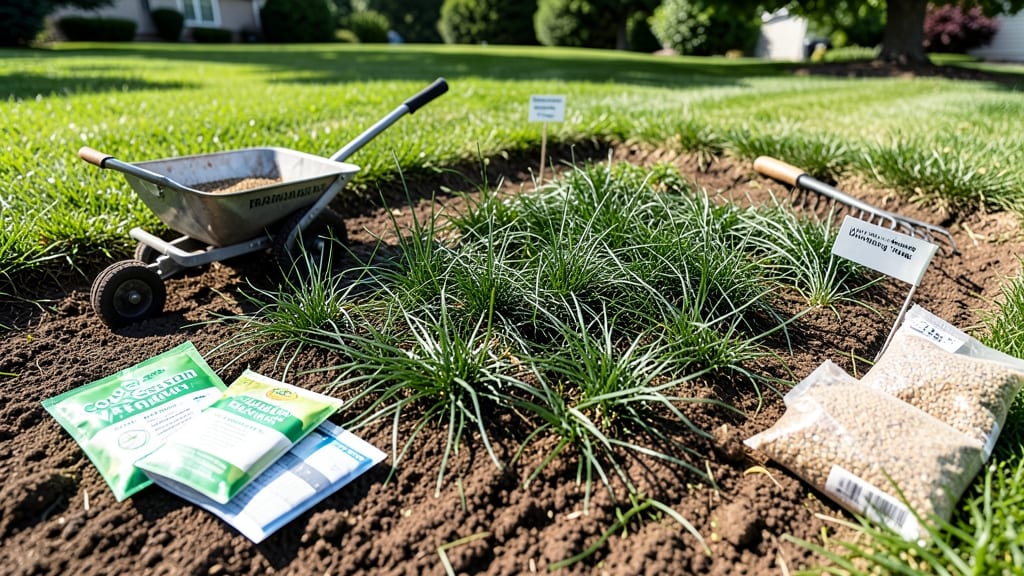
The best time to plant grass seed in Massachusetts is during early spring or early fall, when soil temperatures and moisture align for optimal germination and weed suppression.
Struggling to get a lush, weed-resistant lawn in Massachusetts? Timing your grass seed planting could mean the difference between a patchy yard and a vibrant green carpet—here’s the science-backed schedule you need.
The 5b-7a zones here demand precision, and missing the window by even a few weeks can leave your yard fighting drought or frost instead of thriving.
Most gardeners in Massachusetts swear by late April to early May for spring planting, once the soil warms above 50°F and the last frost has passed. But early fall—specifically September to mid-October—often yields even better results, as cooler temps reduce stress on new seedlings and weeds stay dormant longer.
Below, I’ll break down the exact month-by-month strategy, including soil prep tips, seed choices for your MA climate, and how to outsmart weeds before they even sprout. Ready to transform that bare patch into a thick, resilient lawn?
Best months to plant grass seed in Massachusetts: climate-specific timeline
Massachusetts gardeners know that timing is everything when it comes to planting grass seed. The best months to plant depend on your region’s microclimate, with coastal areas like Cape Cod having milder winters than inland zones like the Berkshires.
For most of the state, early spring (March-April) and early fall (September-October) offer ideal conditions—but let’s break it down by your specific zone.
In coastal Massachusetts, where winters are shorter and soil warms faster, you can start as early as late February. Inland areas, however, should wait until mid-April to avoid frost damage.
For fall planting, aim for 4-6 weeks before the first frost, typically mid-September to early October. This window gives seeds time to germinate before winter dormancy sets in.
🌱 Massachusetts Grass Seed Planting Timeline
| Region | Best Spring Months | Best Fall Months | Soil Temp for Germination | Rainfall Needs |
|---|---|---|---|---|
| Coastal (Cape Cod, Islands) | Late Feb - Early April | Late Aug - Mid Oct | 50-55°F | 1-1.5" weekly |
| Central (Boston, Worcester) | Mid-April - Early May | Early Sep - Early Oct | 55-60°F | 1-2" weekly |
| Western (Berkshires, Pioneer Valley) | Late April - Early May | Mid-Sep - Late Sep | 50-55°F | 1-1.5" weekly |
Spring planting in Massachusetts should happen after the last frost date, which averages April 15 but can vary by 7-10 days depending on elevation. For cooler inland areas, wait until soil temperatures reach 50°F—use a soil thermometer to check.
In coastal regions, where soil warms faster, you can plant 2-3 weeks earlier than inland zones.
Fall planting is often more successful in Massachusetts because cool temperatures reduce weed competition and rainfall is consistent. Plant 4-6 weeks before the first frost—this gives seeds time to establish roots before winter.
In western MA, where frosts arrive earlier, aim for mid-September planting. Coastal areas can extend planting into early October.
If you miss the ideal windows, don’t panic! Late spring (May) and late summer (August) can still work, but expect slower germination and higher weed pressure.
For example, planting in June risks heat stress and dormancy before seeds establish. Similarly, November planting leaves seeds vulnerable to freezing temperatures before rooting.
For coastal gardeners, the Atlantic breeze creates a microclimate that allows for earlier spring planting and later fall planting than inland areas. In Barnstable County, for instance, you might see grass seed germination in late February, while Franklin County gardeners should wait until mid-April.
Always check your local frost dates—the USDA Plant Hardiness Zone Map for MA (zones 5b-7a) is a great resource.
One critical factor in Massachusetts is soil moisture. Spring planting often coincides with variable rainfall, so be prepared to water deeply 1-2 times weekly until seeds germinate. Fall planting benefits from consistent autumn rains, but drought conditions in September may require supplemental watering.
Use a rain gauge to track weekly totals—aim for 1-2 inches of moisture.
Pro tip: If you’re planting in shady areas (common in western MA’s forests or Boston’s urban backyardsfine fescue or Kentucky bluegrass varieties labeled for low-light tolerance. These types germinate 5-10 days slower than sun-loving tall fescue, so adjust your timeline accordingly.
Always test soil pH (ideal range: 6.0-7.0) before planting—acidic soil in coastal peat areas may need lime amendments.
Remember, consistent care matters just as much as timing. After planting, keep the soil moist but not soggy—a light mulch of straw can help retain moisture.
Avoid heavy foot traffic for 4-6 weeks to prevent seed displacement. With the right timing and attention, you’ll have a thick, weed-resistant lawn by next summer.
How Massachusetts weather affects grass seed germination success
Massachusetts’ diverse microclimates create unique challenges for grass seed germination. Coastal areas like Cape Cod experience milder winters and cooler summers, while inland regions such as Western MA face harsher frost and heat extremes. These variations directly impact seed viability and establishment rates, making timing and preparation critical.
Key weather factors like soil temperature, humidity levels, and frost dates dictate when seeds will sprout and thrive. For example, northern MA zones (5b) have shorter growing seasons, while southern MA zones (7a) can extend planting windows.
Understanding these differences helps you avoid heat stress in summer or frost damage in early fall.
🌱 Critical Timing for MA Grass Seed Success
Early spring (April-May) and fall (September-October)
50–65°F (use soil thermometer)
Plant 4–6 weeks before first frost (northern MA: mid-September)
Avoid summer planting (July-August) in inland zones
✅ Pro Tip: Coastal areas can extend fall planting to early November due to delayed frosts.
Northern MA zones (5b) face earlier frosts, so prioritize fall planting by September 1st to allow seeds time to establish before winter. In contrast, southern MA zones (7a) can push fall planting to mid-October, benefiting from warmer soils. Always check local frost dates—a late September frost can devastate unprotected seedlings.
Humidity plays a surprising role in germination. High humidity (60%+) in spring helps retain moisture, but excessive summer humidity (common in July) can promote fungal diseases like dollar spot.
Use light mulch (straw, not wood chips) to balance moisture without suffocating seeds. In dry inland areas, drip irrigation is your best bet for consistent watering.
Heat stress is the silent killer of summer plantings. Seeds planted in July or August often fail because soil temperatures exceed 85°F, causing seeds to dry out before sprouting.
If you must plant in summer, choose shade-tolerant varieties like fine fescue and water twice daily (morning and evening) to keep soil cool.
Weed competition spikes when grass seeds germinate slowly due to poor timing. Planting too late in fall or too early in spring gives crabgrass and clover a head start. Pre-treat soil with a corn gluten meal (natural pre-emergent) 2 weeks before seeding to suppress weeds without harming grass.
Follow up with regular mowing (3–4 inches) once established to outcompete weeds naturally.
Adjust your approach based on your specific MA region. Coastal gardeners can lean into late fall plantings, while inland growers should focus on early spring to avoid summer drought. Always monitor soil temperature—a simple $10 soil thermometer saves hours of guesswork and wasted seed.