
Plants
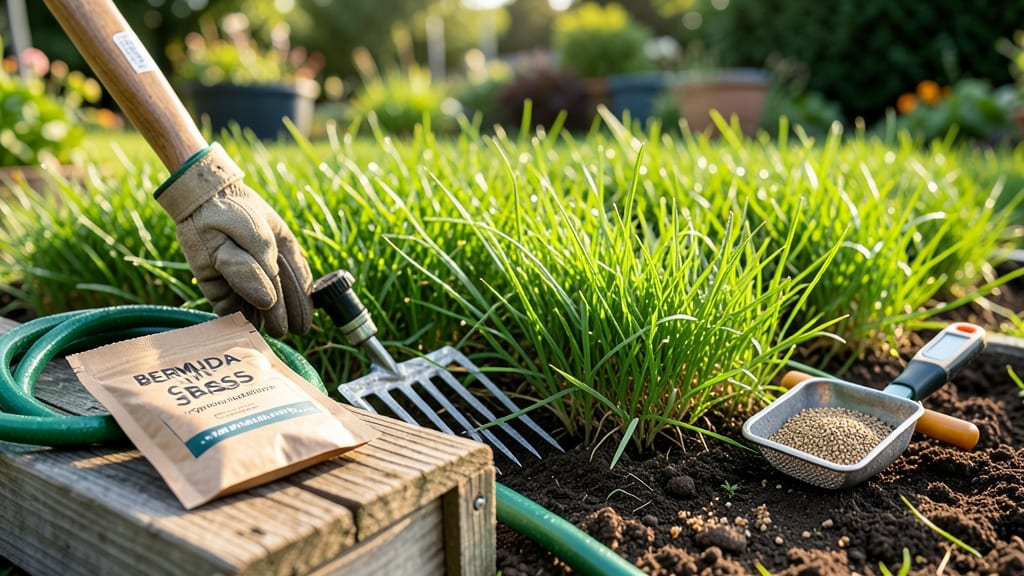
Planting Bermuda grass seed in Texas at the right time means the difference between a thick, drought-resistant lawn and a sun-scorched mess.
Texas homeowners know the struggle—scorching summers and relentless drought can turn a lush lawn into a patchy nightmare. But planting Bermuda grass seed at the perfect time can give you a thick, heat-resistant lawn that thrives when others fail.
This isn’t just about avoiding frost dates—it’s about waiting for soil temperatures to hit 65°F or higher, when seeds germinate quickly and roots establish deep. In North Texas, that’s usually mid-April, while South Texas gardeners can start as early as late March.
Below, I break down the exact windows, soil prep secrets, and post-planting care to ensure your Bermuda grass takes over—without wasting seed or water in the brutal Texas heat.
Optimal planting windows for Bermuda grass seed in Texas (by region & climate zone)
Texas's extreme climate demands precision when planting Bermuda grass seed. Unlike cooler grasses, Bermuda thrives in heat and drought, but timing is everything. Plant too early, and frost can kill seedlings; too late, and summer's intensity stifles germination.
Let’s break down the perfect planting windows by Texas region to maximize your lawn’s potential.
Bermuda grass seed needs soil temperatures above 65°F (18°C) to germinate successfully. In Texas, this typically aligns with mid-April to mid-May for spring and early August to early September for fall.
However, regional differences—like North Texas’s later frosts or South Texas’s earlier heat—shift these windows significantly. Ignoring these nuances can lead to patchy growth or failed establishment.
Here’s a region-specific breakdown of ideal planting dates, soil temperature thresholds, and key risks to avoid:
| Texas Region | Climate Zone | Spring Planting Window | Fall Planting Window | Soil Temp Threshold | Key Risks |
|---|---|---|---|---|---|
| North Texas (Dallas, Fort Worth) | 8a-9a | Mid-April to May 15 | Early August to September 1 | 65°F (18°C) or higher | Late frosts (March 15 average), drought stress |
| Central Texas (Austin, San Antonio) | 8b-9b | Late March to April 30 | Late July to August 20 | 65°F (18°C) or higher | Unpredictable summer storms, soil compaction |
| South Texas (Houston, Corpus Christi) | 9a-10a | Early March to April 15 | June 15 to July 31 | 68°F (20°C) or higher | Humidity-related fungal issues, early heatwaves |
| West Texas (Lubbock, Midland) | 7b-8a | Late April to May 10 | Late August to September 10 | 65°F (18°C) or higher | Extreme drought, erratic rainfall |
*Soil temperature guidelines assume average conditions; adjust for early/late years.
North Texas gardeners should wait until after April 15 to avoid frost damage, even if soil warms earlier. In contrast, South Texas’s milder winters allow planting as early as March, but humidity can promote fungal diseases if seeds aren’t covered properly.
Always check a soil thermometer—surface temps can mislead you.
For fall planting, aim to finish by September 1 in North Texas and July 31 in South Texas. Late fall plantings risk cool nights slowing germination, while early summer starts (before August) may struggle with intense heat stress.
A trick I use? Plant in early morning or late afternoon to reduce seed stress from direct sun.
Adjusting for early or late planting requires extra care. If you plant too early, cover seeds with lightweight row covers to protect from frost. For late plantings, prioritize deep watering and shade cloths until roots establish. Remember: Bermuda grass is drought-tolerant but not drought-proof during germination.
Pro tip: Test your soil’s moisture and pH before planting. Bermuda prefers slightly acidic to neutral soil (6.0–7.5 pH). In Texas’s alkaline soils, amend with sulfur or peat moss to create ideal conditions. Skip this step, and you’ll fight poor nutrient uptake all season.
Once planted, maintain consistent moisture for the first 4–6 weeks. Use a sprinkler with gentle mist to avoid displacing seeds. Overwatering is just as harmful as underwatering—aim for 1–1.5 inches of water per week, including rainfall. Mulch lightly with straw to retain moisture without smothering seedlings.
Timing your Bermuda grass seed planting isn’t just about the calendar—it’s about reading your local microclimate. Observe nearby lawns, check weather forecasts for 10-day highs, and don’t hesitate to push planting dates 1–2 weeks later if conditions seem risky.
With the right timing, you’ll have a dense, heat-loving lawn that outshines neighbors’ struggling grass.
5 Critical signs your soil is ready for Bermuda grass seed (and how to fix common mistakes)
Even if you’ve nailed the planting window, soil conditions can make or break your Bermuda grass seed. Cold, compacted, or acidic soil will leave you with sparse patches instead of a lush lawn.
The good news? With a few simple checks, you can prepare your yard for maximum germination and drought resistance.
First, check your soil temperature—it must stay above 65°F (18°C) for at least 5 days straight. Use a soil thermometer (or your elbow: if it feels warm like a baby’s bath, it’s ready).
In Texas, this usually aligns with mid-April in North Texas and late March in South Texas, but don’t guess—measure.
Next, test for moisture consistency. Stick your finger 2-3 inches deep—if the soil feels dry, your seeds will struggle. Bermuda grass needs consistent moisture but hates soggy conditions. Aim for dampness like a wrung-out sponge, not a swamp.
Now, here’s where most gardeners trip up: pH balance. Bermuda grass thrives in slightly acidic to neutral soil (6.0–7.0 pH). Grab a pH test kit (or vinegar/baking soda DIY test) and adjust with lime (to raise pH) or sulfur (to lower it) if needed.
Skipping this step means slower growth and weaker roots.
⚠️ Common Mistake Alert: Planting Too Deep or Too Shallow
Problem: Seeds buried deeper than ¼ inch won’t germinate, while shallow planting leaves them vulnerable to drying out or bird snacks. Solution: Lightly rake soil to create a firm, smooth surface, then press seeds into the top layer with a lawn roller (set to ¼-inch depth). Cover with a thin layer of peat moss (not soil) to protect seeds.
Don’t overlook soil compaction. Walk across your yard—if the grass springs back slowly, your soil is compacted. Aerate 2–4 weeks before planting using a core aerator (rent one if needed). This creates air pockets for roots to spread, which is critical for Bermuda grass’s heat tolerance.
Finally, check for drainage issues. After watering, if puddles linger longer than 6 hours, your lawn has poor drainage. Fix it by mixing compost or sand into the top 4 inches of soil to improve texture.
For severe cases, consider a French drain or sloped redesign—Bermuda grass won’t thrive in waterlogged soil.
Once you’ve tackled these 5 signs, your soil will be primed for fast germination and a lawn that outlasts Texas heat. Pro tip: Water lightly twice daily (morning and evening) for the first 2 weeks to keep seeds moist without drowning them.