
Companion Plants
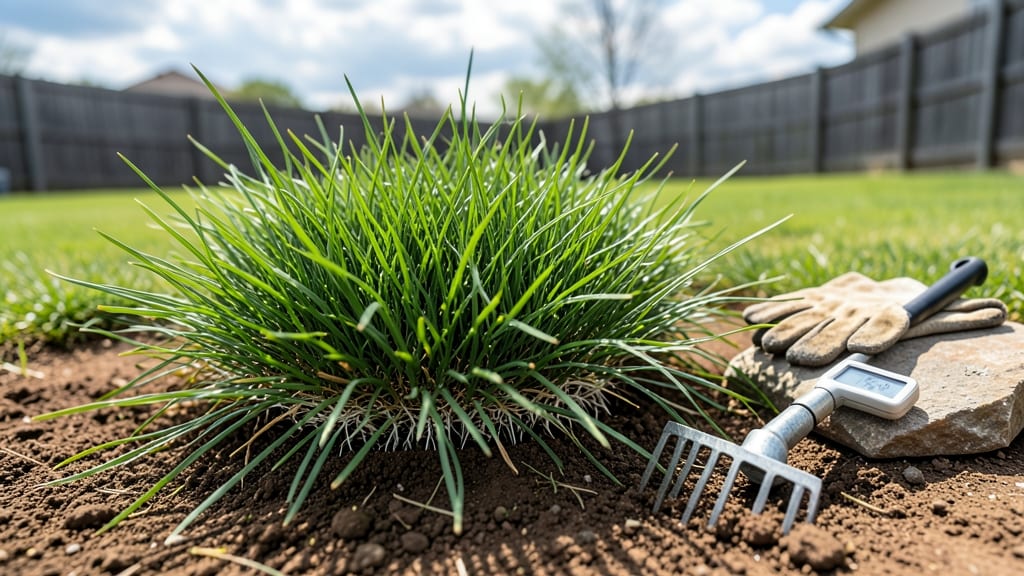
Planting Bermuda grass seed in Texas at the right time means the difference between a thriving lawn and months of frustration 🌱 — and the clock starts ticking after your last frost.
Picture this: you’ve spent hours prepping the soil, only to watch your seedling struggle under June’s relentless sun. That’s why timing isn’t just about months—it’s about soil warmth, humidity, and even your specific Texas zone.
In this guide, I’ll break down the two best windows for planting Bermuda grass seed, how to prep your Texas soil for success, and the critical mistakes that kill seedlings before they even take root.
Whether you’re in North Texas’s 8a or South Texas’s 10b, you’ll leave here with a clear timeline, step-by-step prep, and the confidence to plant when it counts.
Best planting windows for Bermuda grass seed in Texas by hardiness zones
Texas gardeners know Bermuda grass is the gold standard for heat-resistant lawns, but planting at the wrong time can turn your investment into dust. The key lies in understanding your USDA zone (7-10) and aligning seed germination with soil warmth—not air temperature.
In Zone 7, for example, waiting until May ensures soil stays above 65°F (18°C), while Zone 10 gardeners can start as early as March. The goal? Establish roots before summer's brutal heat hits.
Bermuda grass thrives in Texas because it’s drought-tolerant and heat-loving, but seedlings need consistent moisture and protection from extreme heat during the first 3-4 weeks. Planting too early risks frost damage (even in South Texas), while planting too late means weak roots before 100°F+ days arrive.
The sweet spot? Late April to early June for most of the state, with adjustments for North vs. South Texas.
🌱 Pro Tip: Use a soil thermometer—Bermuda grass seeds won’t germinate below 65°F (18°C). In Zone 8-9, this usually means waiting until mid-April to May, while Zone 10 gardeners can start as early as late February in coastal areas. Timing isn’t just about months; it’s about soil readiness.
For North Texas (Zones 7-8), I recommend late April planting to balance soil warmth and avoid early summer drought. By early June, the heat can stress seedlings before roots establish.
In contrast, South Texas (Zones 9-10) offers a longer window—start as early as late February in Zone 10 but be ready to water daily until germination.
Don’t overlook late summer replanting (August) for patch repairs. Bermuda grass spreads via stolons and rhizomes, so damaged areas can recover faster than from seed—but if you’re seeding, August’s higher humidity helps retain moisture.
Just avoid planting after mid-August—new growth won’t establish before fall frosts in North Texas.
💡 Expert Hack: If you’re in Zone 8-9 and miss the spring window, try shade cloth (30-50% coverage) over newly seeded areas to protect seedlings from 100°F+ heat. Remove it after 4-6 weeks once roots are 1-2 inches deep. This buys you 2-3 extra weeks of planting flexibility.
One common mistake? Planting Bermuda grass seed in fall or winter. While the grass itself is cold-hardy once established, seedlings won’t germinate below 65°F. Even in Zone 10, December planting risks fungal diseases from cool, wet soils.
Save fall for overseeding (if needed) or fertilizing to strengthen roots before winter.
To maximize success, pair your planting window with proper soil prep. Bermuda grass prefers sandy loam with a pH of 6.0-7.0, and Texas’ clay-heavy soils often need gypsum or compost to improve drainage.
Test your soil 4-6 weeks before planting—this gives you time to amend and level the area for even germination.
Finally, watering strategy makes or breaks your Bermuda grass seed. After planting, keep the soil
How to prepare your Texas soil for Bermuda grass seed success
Texas soil—especially its heavy clay—can be a challenge for Bermuda grass seed germination. But with the right prep, you’ll create the perfect foundation for a thick, drought-resistant lawn. Start by testing your soil pH—Bermuda thrives in a range of 6.0 to 7.0.
If your soil is too acidic or alkaline, adjust it with lime (for acidity) or sulfur (for alkalinity) at least 2-3 months before planting.
Weeds are Bermuda grass’s biggest enemy during germination. Use a non-residual herbicide like glyphosate to kill existing weeds, then wait 7-10 days before planting. This ensures no herbicide residue harms your new grass. For stubborn weeds, hand-pull or smother them with black plastic sheeting for a few weeks before tilling.
Step-by-Step Soil Prep for Bermuda Grass
- Test Soil pH: Use a soil test kit (available at garden centers) to check pH. Aim for 6.0-7.0—adjust with lime or sulfur if needed.
- Remove Weeds: Apply glyphosate herbicide or smother weeds with plastic for 2-3 weeks before planting.
- Till the Soil: Loosen 4-6 inches deep with a tiller to break up clay and improve drainage. Rake to create a smooth, seed-friendly surface.
- Add Compost: Mix in 2-3 inches of compost to improve soil structure and nutrient content. Avoid fresh manure—it can burn seeds.
- Level the Ground: Fill low spots with topsoil and rake again for an even seedbed. Bermuda grass needs good contact with soil to germinate.
- Apply Starter Fertilizer: Use a low-nitrogen fertilizer (10-10-10) at half the recommended rate to provide gentle nutrients without overfeeding.
Tilling is critical in Texas, where clay-heavy soil can compact and suffocate seeds. Use a tiller to loosen the top 4-6 inches of soil, breaking up hardpan and improving drainage.
After tilling, rake the area to create a fine, crumbly texture—this helps seeds make direct contact with the soil, which is essential for consistent germination.
Incorporate 2-3 inches of compost into the tilled soil to boost organic matter and microbial activity. Compost improves soil structure, retains moisture, and provides slow-release nutrients.
Skip fresh manure—it can overheat seeds and introduce pathogens. For clay soils, consider adding sand or perlite to improve drainage without altering the soil’s fertility.
Once your soil is prepped, apply a light starter fertilizer (like 10-10-10) at half strength to give your Bermuda grass a gentle nutrient boost. Avoid high-nitrogen fertilizers at this stage—they can burn tender seedlings. Water the area lightly after fertilizing to help nutrients settle into the soil.
Finally, level the ground one last time to ensure an even seedbed. Fill any low spots with topsoil and rake out high spots. Bermuda grass seeds are tiny, so a smooth surface helps them germinate uniformly.
For extra protection against erosion, lightly mulch with straw or peat moss—just enough to cover the seeds without smothering them.