
Plants
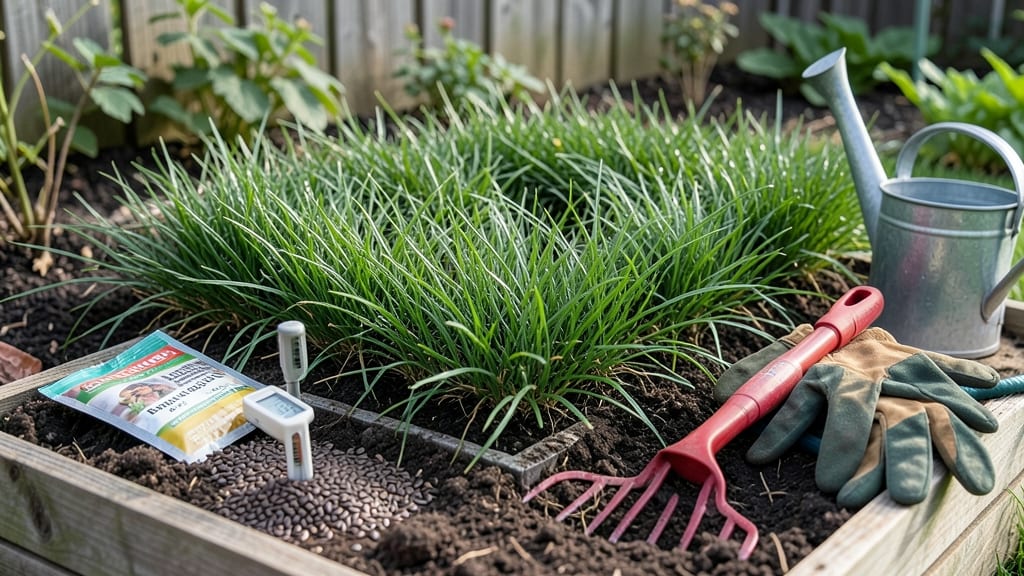
Planting bermuda grass seed in NC should happen only after soil temperatures hit 65°F and all frost risk has vanished — typically late May to early June.
North Carolina’s scorching summers can turn a lush bermuda grass lawn into a nightmare if planted at the wrong time—but timing it right ensures rapid growth and drought resistance.
Why does this window matter? Bermuda grass thrives in heat, but cool soil slows germination, leaving your lawn vulnerable to weeds and fungal diseases.
Below, I’ll break down the exact soil temperature threshold, how to prep your yard for fast establishment, and the one mistake that kills more bermuda grass lawns than anything else.
Optimal planting window for bermuda grass seed in NC: late spring heat tolerance explained
North Carolina’s late spring heat is perfect for bermuda grass seed germination, but timing matters. Planting too early risks frost damage, while waiting too long can delay establishment before summer’s intensity.
The ideal window spans late May through June, aligning with NC’s USDA Zones 7a-8b and soil temperature thresholds.
Bermuda grass thrives in warm soil—wait until soil temperatures consistently reach 65°F (18°C) at a 4-inch depth. This typically occurs in mid-to-late May in most of NC, though mountain regions may need to wait until early June. Use a soil thermometer to verify readiness before sowing.
Avoid planting in April, even if frost risk has passed. Cool soil and unpredictable late-spring frosts can stunt seedling growth. Instead, focus on preparing your lawn in April by mowing low and removing debris to create an optimal seedbed.
| Planting Window | Soil Temp Requirement | NC Microclimate Notes | Key Preparation Step |
|---|---|---|---|
| Late May | 65°F+ (4" depth) | Coastal areas: Start early; Piedmont: Wait until mid-May. | Test soil pH (5.8–7.0) and amend if needed. |
| Early June | 70°F+ (4" depth) | Mountains: Ideal time; avoid late June heat spikes. | Apply starter fertilizer (high-phosphorus) 1 week before planting. |
| Mid-June | 75°F+ (4" depth) | All regions: Last chance before summer drought stress. | Irrigate daily until seedlings emerge (7–14 days). |
NC’s microclimates play a huge role in success. Coastal areas like Wilmington can plant 2–3 weeks earlier than mountain regions like Asheville, where cooler nights delay soil warming. Check your local USDA zone and monitor weekly highs—consistent 80°F+ days signal it’s time to plant.
Heat tolerance is bermuda grass’s superpower, but seedlings need protection from intense afternoon sun during establishment. Use a light shade cloth (30–50% block) for the first 2 weeks if planting in peak summer. After germination, full sun exposure will accelerate growth.
Rainfall patterns also influence timing. If your area experiences dry spells in May, delay planting until June when consistent rainfall increases. In drought-prone zones, prioritize deep watering (1–1.5 inches per week) to prevent seed desiccation.
Pro tip: Plant bermuda grass seed when local weather forecasts predict 5+ days of warm, dry conditions. This reduces fungal risks from overwatering and ensures uniform germination. Check the National Weather Service for your region’s heat advisories—they’re a great indicator of planting readiness.
Once seeded, bermuda grass will spread aggressively in NC’s heat, forming a dense, drought-resistant lawn by late summer. But rush the process, and you’ll face slow establishment or patchy coverage. Patience and precise timing are your best tools for a lush, low-maintenance lawn.
For extra confidence, plant a small test patch in early May to gauge your soil’s readiness. If seedlings thrive, expand planting to the full lawn by mid-May. This trial-and-error approach helps you fine-tune timing for your specific NC microclimate. 🌱
How to prepare soil and conditions for fast bermuda grass establishment
Bermuda grass thrives in NC’s heat, but only if your soil and conditions are perfectly primed. Start by testing your soil pH—it should fall between 5.8 and 7.0.
If your soil is too acidic, add lime 4-6 weeks before planting. Use a soil test kit or send samples to your local Cooperative Extension Service for precise results.
Once you’ve adjusted the pH, focus on soil texture. Bermuda grass prefers well-draining soil with a sandy loam consistency. If your soil is heavy clay, mix in compost or sand to improve aeration. Work these amendments into the top 6 inches of soil using a rototiller.
Before planting, apply a high-phosphorus starter fertilizer (like 16-4-8 NPK) to encourage strong root development. Spread 1 pound per 100 square feet and lightly rake it into the top inch of soil. This step is critical for fast germination in NC’s competitive growing conditions.
⚠️ WARNING: Planting in Cool Soil Kills Germination ⚠️ Bermuda grass seeds need soil temperatures above 65°F to sprout. If you plant too early (before mid-May in most of NC), seeds may rot or fail to germinate.
Use a soil thermometer to confirm readiness—wait until temperatures consistently stay above 65°F for at least 5 days. Coastal areas may need to wait until early June due to cooler ocean breezes.
Irrigation is another make-or-break factor. Bermuda grass seeds require consistent moisture but hate soggy soil. Water lightly twice daily (morning and late afternoon) to keep the top inch of soil damp until germination (about 7-14 days).
Once sprouts appear, reduce to 1-1.5 inches per week, watering deeply in the early morning to minimize evaporation and fungal risks.
After germination, thin seedlings to 1/4 inch apart to reduce competition. Mow when grass reaches 3-4 inches tall, then maintain at 1-2 inches for a dense, heat-resistant lawn. Avoid heavy foot traffic until roots are well-established (about 6-8 weeks after planting).
Finally, shade can be a silent killer for bermuda grass. Ensure your planting area gets at least 6-8 hours of direct sunlight daily. If trees or structures cast shade, consider planting shade-tolerant varieties like ‘Tifway 419’ or prepare for slower growth.
Mulch lightly with straw to retain moisture and protect seeds from birds.