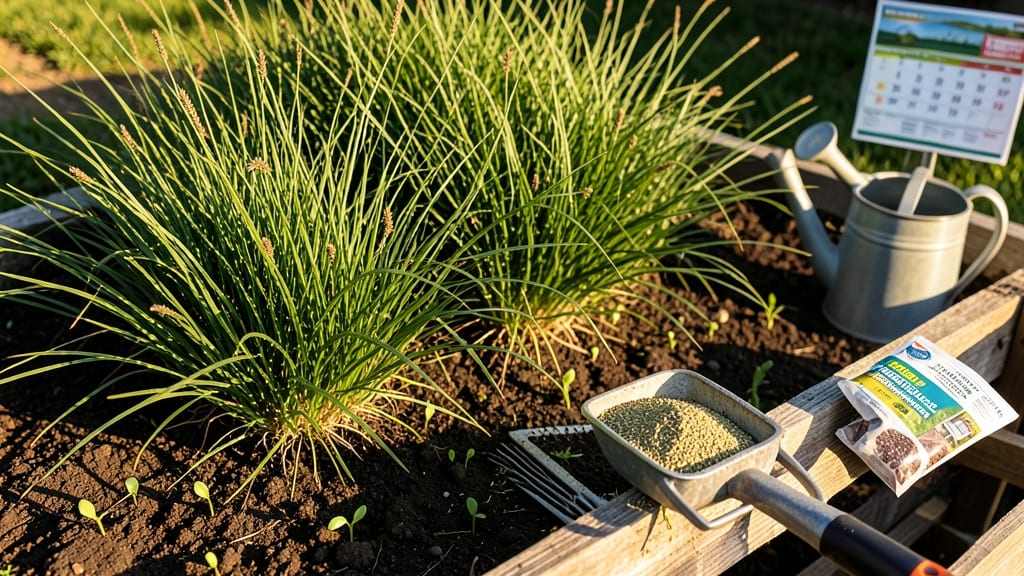
Planting grass seed in North Carolina too late can leave you with patchy lawns or wasted seed 🌱—but knowing the exact cutoff dates by zone and soil temperature saves time and money.
Struggling to decide if your North Carolina lawn still has a chance this season? The answer depends on whether you're planting in spring or fall, your USDA zone, and soil temperatures.
For example, in Zone 7b, late August is the last chance for fall planting, while spring deadlines vary from early April in the mountains to mid-April in the Piedmont.
If you've already missed these windows, don't panic. Late planting still works if soil temps stay above 55°F and you water consistently—but drought or weeds can derail your efforts. Below, I’ll break down the best late-summer/early-fall timing, climate risks, and alternatives like overseeding or sod if your timing is off.
You’ll also learn how to check your zone, read soil temperature trends, and spot the three red flags that mean it’s truly too late. Let’s get your lawn back on track—without breaking the bank.
🌱
When to Plant Turfgrass
Jan
❄️
Feb
🌱
Mar
🌱
Apr
🌱
May
🌱
Jun
☀️
Jul
🌱
Aug
🌱
Sep
🌱
Oct
🌱
Nov
🍂
Dec
❄️
North Carolina grass seed planting deadlines by hardiness zone (and how to check yours)
North Carolina spans USDA hardiness zones 5a through 8b, meaning your last grass seed planting deadline depends on where you live. Fall is the ideal window, but missing it doesn’t mean your lawn is doomed—soil temperature and frost dates are the real deciding factors.
Let’s break down the exact cutoff times for each zone, plus how to verify yours and what happens if you plant too late.
For cool-season grasses (like tall fescue or Kentucky bluegrass), aim to plant 4-6 weeks before your first frost date. In warmer zones (7b-8b), this might mean planting as late as mid-October, while cooler zones (5a-6a) should finish by early September.
Warm-season grasses (like Bermuda or Zoysia) have a late spring/early summer window, but we’ll focus on fall deadlines here.
Soil temperature is the #1 factor—grass seed needs 50-65°F soil temps to germinate. Use a soil thermometer (or check NC State Extension’s weekly reports) to confirm. If temps drop below 50°F at night, germination slows dramatically, and seedlings may not survive.
Here’s your zone-by-zone deadline guide, including last planting dates, soil temp thresholds, and frost risk levels:
| USDA Zone |
Last Planting Deadline |
Soil Temp Threshold |
First Frost Date |
Risk Level |
| 5a |
August 15 |
55-60°F |
October 15 |
High |
| 5b |
August 25 |
55-60°F |
October 10 |
High |
| 6a |
September 10 |
50-55°F |
November 1 |
Medium |
| 6b |
September 20 |
50-55°F |
October 25 |
Medium |
| 7a |
October 5 |
50-60°F |
December 1 |
Low |
| 7b |
October 15 |
50-60°F |
November 15 |
Low |
| 8a |
October 30 |
55-65°F |
Signs your late grass seed planting might still work (and when to quit)
If you're staring at a bare patch in your North Carolina yard and wondering whether to toss that grass seed packet, don't panic just yet. The last planting window isn't always a hard cutoff—especially if you're working with cool-season grasses like tall fescue or Kentucky bluegrass.
These varieties can still germinate if conditions are right, even when traditional deadlines have passed.
First, check your soil temperature—it’s the most critical factor. Grass seed needs soil that’s at least 55°F (13°C) for germination, but 60–65°F (16–18°C) is ideal. Use a soil thermometer to test your yard’s temperature before committing. If your soil is still warm, you might have a fighting chance.
Next, consider your seed type. Cool-season grasses (like fescue) can handle late plantings better than warm-season grasses (like Bermuda or Zoysia), which thrive in summer heat. If you’ve got the wrong seed for the season, your chances of success drop dramatically.
⚠️ callout warning ⚠️
🚨 3 Red Flags It’s Too Late
1. Overnight temps below 50°F (10°C) – Seedlings won’t survive frost. Check your local frost dates (NC’s first frost is typically mid-November in most zones).
2. Soil is bone-dry or waterlogged – Grass seed needs consistent moisture to germinate. If your yard is drought-stressed or soggy, germination rates plummet.
3. Weeds are already sprouting – If weeds outcompete your seed, you’ll waste money. Late plantings often fail because weed seeds germinate faster than grass.
Don’t overlook overnight temperature trends. Even if daytime temps are warm, if nights dip below 50°F (10°C), your seedlings will struggle. Use a lightweight row cover or mulch to protect them, but if frost is forecast within 2–3 weeks, it’s safer to wait until spring.
Before you give up, run through this quick salvageability checklist:
- ☑️ Soil temp is 55°F+ (use a thermometer)
- ☑️ Overnight temps stay above 50°F for 2+ weeks
- ☑️ You’re planting cool-season grass (not Bermuda/Zoysia)
- ☑️ Your yard gets 6+ hours of sun daily
- ☑️ You can commit to daily watering for 2–3 weeks
If you’ve checked all these boxes, proceed—but set realistic expectations. Late plantings will take longer to establish and may need extra care over winter.
If you’re past these windows, don’t despair. Overseeding in spring or switching to sod are still viable options. But for now, focus on protecting your soil with mulch and planning your next move. Your lawn’s future isn’t lost—it’s just waiting for the right timing. 🌱
★★★★★4.9(12 reviews)
|