
Plants
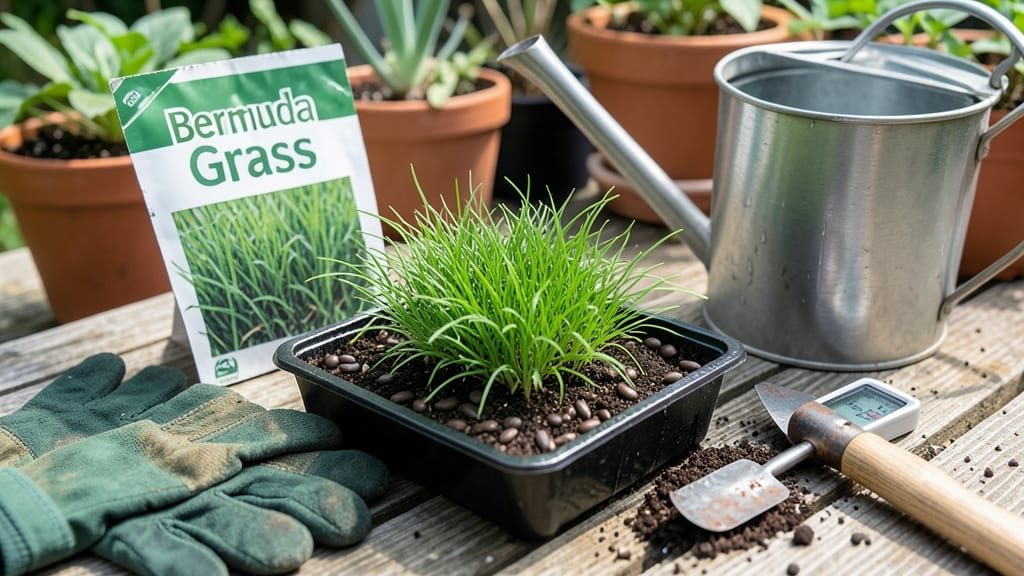
Planting Bermuda seed in Georgia between mid-April and early June is the key to a thick, heat-tolerant lawn by summer 🌱 — any earlier and the seed struggles to germinate, any later and the heat stress takes over.
Georgia’s scorching summers can make or break your Bermuda grass lawn—planting at the wrong time means slow growth, weak roots, and wasted seed. But timing it right ensures a lush, heat-resistant lawn by late summer.
This isn’t just about avoiding frost (though that’s critical). It’s about waiting for soil temperatures to hit at least 65°F and aligning your schedule with Georgia’s microclimates—coastal areas warm up faster than inland zones.
Below, I’ll break down the exact planting window, soil prep tips, and how to keep your seed from drying out in the early heat. You’ll leave here with a clear plan to get your lawn off to the fastest, strongest start.
Optimal Bermuda seed planting window in Georgia: late spring heat tolerance explained
Georgia’s Bermuda grass thrives in heat, but planting too early exposes tender seedlings to late spring frost risks while delaying too long means missed growth opportunities. The 30-60 day window after last frost (typically mid-April to early June) strikes the perfect balance for establishment before summer’s peak heat.
Bermuda seed germinates best when soil temperatures consistently reach 70°F+. In Georgia, this usually aligns with late April to early May in most regions, but coastal areas may see earlier readiness due to milder temperatures.
Inland zones like Atlanta’s Piedmont region often need to wait until early June for optimal conditions.
Heat stress is the biggest risk if you plant too early. Seedlings can overheat and dry out when daytime temps exceed 85°F before roots establish. This leads to poor germination rates and weak lawns that struggle to recover during summer’s peak.
To determine your exact planting window, monitor soil temperatures at 4-inch depth. Use a soil thermometer—when readings stay above 70°F for 5+ days, it’s time to plant. Most Georgia gardeners achieve this between April 20 and May 15, depending on location.
Georgia’s microclimates create significant variation in ideal planting times. Coastal regions like Savannah experience milder springs with higher humidity, allowing earlier planting (as early as April 15) to avoid fungal issues from prolonged moisture.
Meanwhile, inland Piedmont areas with drier heat can safely wait until early June without risking heat stress.
For North Georgia (USDA Zone 7), aim for May 1-15 planting. The cooler springs delay soil warming, but waiting ensures seedlings establish before summer’s intensity. In South Georgia (Zone 8), you can plant as early as April 20, but monitor for heatwaves that might stress young plants.
If you miss the ideal window, don’t panic—Bermuda seed can still be planted through early June, though establishment may take 2-3 weeks longer. For late plantings, use shade cloth during the hottest afternoon hours (2 PM–5 PM) to protect seedlings until roots develop.
Remove the cloth after 10-14 days to avoid over-shading.
Pro tip: Pre-warm your soil in early April by removing debris and covering bare spots with black plastic for 2 weeks. This raises soil temps 5-10°F faster, giving you an earlier planting edge.
Just remember to remove the plastic and till it in 1 week before planting to avoid smothering seedlings.
Once planted, maintain consistent moisture with daily watering (¼ inch per day) until germination (typically 7-14 days). After sprouting, reduce to every other day to encourage deep root growth. Morning watering is critical—it minimizes evaporation and fungal risks from evening moisture.
Timing your Bermuda seed planting right in Georgia means stronger roots, faster establishment, and a lawn that thrives through summer’s heat. By following these guidelines, you’ll avoid the costly mistakes of poor germination or weak growth—giving your lawn the best possible start. 🌱☀️
Georgia-specific Bermuda seed varieties and their ideal planting months
Choosing the right Bermuda grass variety for Georgia means balancing heat tolerance, drought resistance, and local climate quirks. Coastal areas like Savannah face higher humidity and slower drying, while inland Piedmont regions experience hotter, drier heat.
Each variety thrives under slightly different conditions, so picking wisely ensures your lawn establishes quickly and stays green through summer.
The three top Bermuda varieties for Georgia—Tifway 419, Riviera, and Celebration—each have unique strengths. Tifway 419 dominates in Piedmont due to its drought tolerance, while Riviera excels in coastal areas with its dense growth and shade adaptation. Celebration is a middle-ground option, offering fast establishment and moderate heat resistance for transitional zones.
| Variety | Best Planting Window | Drought Tolerance | Establishment Speed | Coastal vs. Piedmont Fit |
|---|---|---|---|---|
| Tifway 419 | Mid-April to early May | Excellent (9/10) | Moderate (6-8 weeks) | Piedmont (dry heat) |
| Riviera | Late April to early June | Good (7/10) | Fast (4-6 weeks) | Coastal (humid) |
| Celebration | Early May to mid-June | Moderate (6/10) | Very Fast (3-5 weeks) | Transitional zones |
For Piedmont regions (e.g., Athens, Macon), Tifway 419 is my top pick because it handles intense heat and low rainfall better than other varieties. Plant it by mid-April when soil temps hit 70°F+—earlier planting risks heat stress before roots establish.
In coastal Georgia (Savannah, Brunswick), Riviera outperforms due to its thicker blades and better humidity tolerance, but delay planting until late April to avoid fungal issues from lingering moisture.
Celebration Bermuda is my go-to for transitional zones (e.g., Columbus, Augusta) where summers shift from humid to dry. Its rapid germination (3-5 weeks) lets you plant as late as mid-June and still get full coverage before summer peaks. However, avoid planting Celebration in shaded areas—it needs full sun to maintain its heat resistance.
Timing matters most in coastal areas due to higher humidity. If you plant Riviera too early (before late April), fungal diseases like brown patch can take hold.
In contrast, Piedmont’s drier heat lets you push Tifway 419 planting slightly earlier—just ensure soil temps are stable above 65°F to prevent seed rot.
Pro tip: Test your soil’s moisture retention before planting. Coastal soils stay damp longer, so amend with sand to improve drainage. Piedmont soils dry out faster, so add compost to retain moisture during establishment.
Adjust your watering schedule based on your variety’s needs—Riviera needs consistent moisture, while Tifway 419 thrives with less frequent, deeper watering once established.