
Plants
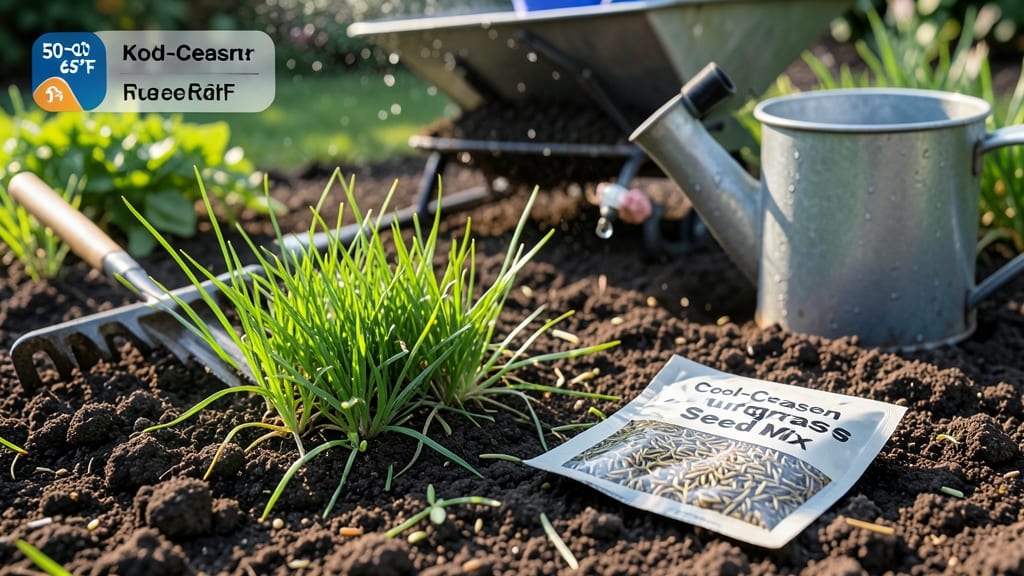
Planting grass seed in Missouri at the right time means the difference between a thick, green lawn and a patchy, struggling mess—especially in zones 5b-7a where winters are harsh.
Missouri’s unpredictable climate can make or break your lawn—planting grass seed at the wrong time means weak roots, patchy growth, and wasted effort. But timing it perfectly ensures a lush, resilient lawn that survives harsh winters and brutal summers.
For Missouri gardeners, the best window is early fall (August-September) or early spring (March-April), when soil temperatures hover between 50–65°F. This cool-season prime window gives grass seed the ideal conditions to establish strong roots before frost hits.
Below, you’ll discover the exact timing for your region, soil prep secrets, and how to avoid costly mistakes—so your lawn thrives year after year.
Missouri’s ideal grass seed planting window: when cool-season grasses thrive before frost
Missouri’s cool-season grasses—like tall fescue and Kentucky bluegrass—thrive when planted during two critical windows: early fall (August-September) and late summer (late July). This timing aligns with soil temperatures between 50–65°F, perfect for root establishment before winter dormancy.
The key? Planting 4–6 weeks before the first frost—typically mid-October—gives grass time to strengthen before cold sets in.
Missouri’s climate varies sharply between Kansas City (cooler, drier) and St. Louislate August to avoid early frosts, while St. Louis gardeners can extend planting into early October. Both regions benefit from consistent rainfall during these windows, reducing irrigation stress on new seedlings.
Here’s why these windows work: Cool temperatures slow weed competition, while moderate rainfall keeps soil moist without risking fungal diseases. Grass seeds germinate best when soil stays consistently damp but not soggy—ideal conditions Missouri delivers in fall and late summer.
⚠️ Critical Insight: Avoid planting in late spring (May-June) when Missouri’s heat and drought stress young grass. Warm-season grasses like Bermuda or Zoysia dominate then, but cool-season varieties struggle to compete. Timing is everything for a dense, resilient lawn.
Missouri’s USDA Zones 5b–7a mean frost dates shift yearly, but historical data shows October 15 as the average first frost. Planting 6 weeks before (early September) ensures roots establish before cold locks growth. In drought years, prioritize early fall when soil retains moisture longer.
Soil temperature is the real game-changer. Use a soil thermometer to confirm 50–65°F readings at 4-inch depth. Below 50°F, germination stalls; above 65°F, seeds dry out. Missouri’s late summer often hits this sweet spot, especially after July’s heatwave cools slightly.
Regional microclimates matter: Northern Missouri (e.g., Columbia) cools faster, so plant by mid-August. Southern Missouri (e.g., Springfield) can extend to early October. Check local frost-free days (150–200 days) to fine-tune your schedule. Pro tip: Seed packets often list “cool-season” varieties—choose these for Missouri.
Missouri’s unpredictable rainfall adds complexity. If drought warnings appear, water deeply 2–3x/week to mimic natural moisture. In wet springs, delay planting until soil dries enough to work without clumping. A moisture meter helps gauge readiness.
For best results, pair planting with a starter fertilizer (high in phosphorus) to boost root growth. Avoid nitrogen-heavy fertilizers early—they encourage top growth over roots. In late summer, a light feeding (10-10-10) preps soil for seed.
Missouri gardeners swear by fall planting because established roots survive winter better than spring-planted grass. By November, your lawn will have 2–3 inches of root depth, ready to green up aggressively in spring. Skip the rush—patience here pays off with thicker, greener grass year-round.
🌱
Missouri’s cool-season grasses need 6–8 hours of sun daily, but shade-tolerant varieties (like fine fescue) work in partial shade. Test your lawn’s sunlight with a sun/shade map: Mark sun exposure every 2 hours in summer to plan seed mixes.
Shady areas? Opt for 100% fescue blends—they handle low light better.
Don’t let Missouri’s variable weather fool you. Even if September feels warm, soil temps may still be ideal for planting. Check 7-day forecasts for consistent rain—aim for 1 inch
Step-by-step prep for fall grass seed planting in Missouri: soil, seed, and weather checklist
Fall is the golden window for planting grass seed in Missouri, but success hinges on preparing your soil, choosing the right seed, and timing your efforts with the weather. With first frost typically arriving by mid-October, you’ve got about 6 weeks to establish strong roots before winter dormancy.
Let’s break down the critical steps to ensure your lawn thrives.
Missouri’s cool-season grasses like tall fescue and Kentucky bluegrass need ideal soil conditions—a pH between 6.0 and 7.0 and well-aerated soil—to germinate properly. Skipping soil prep often leads to patchy growth or weak grass that struggles in Missouri’s humid summers and freezing winters.
Start with a soil test and follow these actionable steps to set your lawn up for success.
Use a home test kit or send a sample to the University of Missouri Extension. If pH is too low, add lime; if too high, use sulfur.
Missouri’s clay-heavy soils compact easily. Aerate when soil is slightly moist (not muddy) for best results.
Tall fescue thrives in shade and drought, while Kentucky bluegrass needs full sun and consistent moisture.
Use a 10-20-10 blend to boost root growth. Spread evenly over the seed after planting.
Wait for a 5-day dry spell to avoid seed washout. Aim to plant 4-6 weeks before frost for optimal root establishment.
Use a sprinkler or soaker hose to avoid displacing seed. Reduce watering as grass reaches 3-4 inches tall.
Missouri’s fall weather can be unpredictable, so flexibility is key. If rain delays your planting, hold off until conditions improve—muddy soil or standing water can smother seeds. Once planted, focus on light, frequent watering to encourage deep root growth before winter sets in.
With these steps, your fall-planted grass will establish a dense root system before dormancy, giving it a head start in spring regrowth. Skip the prep, and you’ll end up with a weak, patchy lawn struggling to survive Missouri’s extremes. Don’t let that happen—your future lawn will thank you! 🌱