
Plants
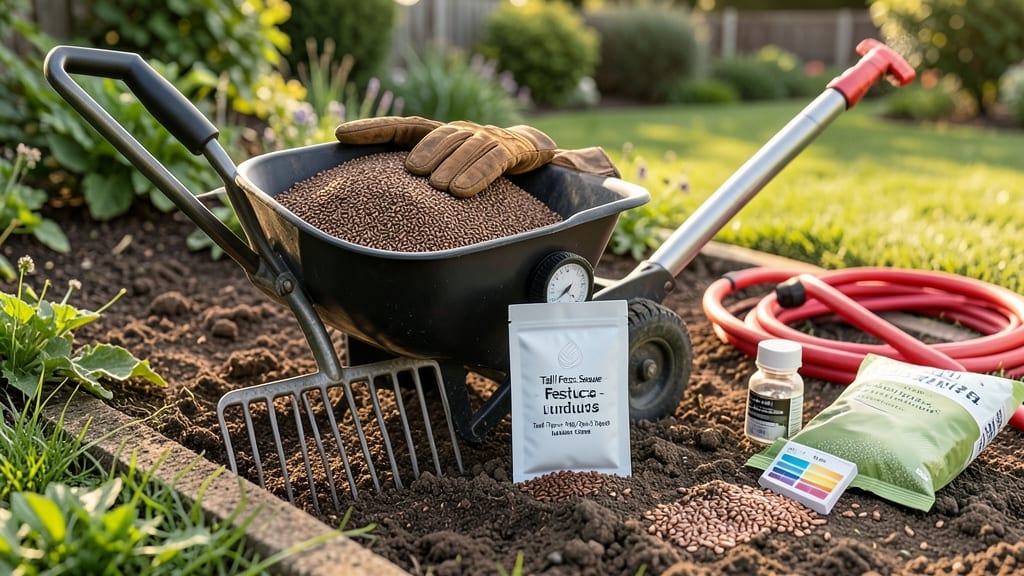
Planting grass seed in Missouri spring depends on soil temperature — aim for 50°F–65°F for fast germination, whether you’re seeding cool-season or warm-season 🌱 types.
Missouri’s unpredictable spring weather can turn your grass-seeding project into a gamble—unless you know the exact soil temperature window for fast, even germination. Plant too early, and frost will kill seedlings; too late, and weeds take over.
Cool-season grasses like Kentucky bluegrass thrive when soil hits 50°F–60°F, usually by mid-March in Missouri’s 5b-6b zones. Warm-season varieties like Bermuda grass wait until soil warms to 65°F+, often late April or May.
Here’s your fast checklist: test soil temps weekly, prep clay-heavy ground with compost, and water deeply twice daily for 2–3 weeks after planting. Skip these steps, and your lawn could end up patchy—or worse, overrun by weeds.
Missouri spring soil temperature guide: when grass seed germinates best
Missouri’s spring soil temperatures can vary dramatically between regions, making it critical to know the exact window for planting grass seed. Cool-season grasses like tall fescue and Kentucky bluegrass thrive when soil temps hit 50°F–60°F, while warm-season varieties such as Bermuda and Zoysia need 65°F–75°F.
Timing is everything—plant too early, and frost will halt germination; too late, and weeds will outcompete your seedlings.
In St. Louis, where springs are slightly milder, you can start cool-season seeding as early as late March if soil temps are stable. Meanwhile, Kansas City often waits until mid-April due to later warming.
A simple soil thermometer (available for $10–$15) is your best tool to avoid guesswork—just bury it 2 inches deep and check daily.
Here’s the golden rule for Missouri: Wait until soil temps consistently stay above 50°F for 5+ days before seeding cool-season grasses. For warm-season types, aim for 70°F+—typically late May–early June in most areas. Skipping this step means slower germination, patchy lawns, or wasted seed.
| Grass Type | Optimal Soil Temp | Best Planting Window (MO) | Regional Notes |
|---|---|---|---|
| Cool-Season (Fescue, Bluegrass, Ryegrass) | 50°F–65°F | Late March–Early May | St. Louis: 3/20–4/10; KC: 4/1–4/20 |
| Warm-Season (Bermuda, Zoysia, Buffalo) | 65°F–75°F | Late May–Early June | Avoid planting before last frost (avg. 3/15) |
| Ryegrass (Fast-Germinating Mix) | 45°F–60°F | Early March–Late April | Ideal for temporary cover before warm-season grasses |
| Orchardgrass (Shade-Tolerant) | 55°F–65°F | Mid-April–Early May | Thrives in partial shade; common in MO woodlands |
🌱 Pro Tip: Test soil temp at 10 AM for accuracy—early morning temps can be misleading.
Missouri’s clay-heavy soils retain moisture longer, which can delay warming. If your soil feels cold to the touch or has frost heave, wait 7–10 days before planting. For faster results, use a black plastic mulch to absorb sunlight and raise soil temps by 5–10°F—perfect for Kansas City’s slower springs.
Warm-season grasses like Bermuda are trickier because they won’t germinate below 65°F. Planting too early means seedling death from spring frosts, while late planting risks summer drought stress. Check your local Missouri Climate Center for 5-day forecasts—consistent 70°F+ soil temps signal it’s safe.
For fastest germination, aim for 60°F–65°F soil temps, whether seeding cool-season or warm-season types. This range ensures 70–90% germination rates within 7–14 days. Use a seed starter fertilizer (like 10-20-10) to boost early growth, but avoid over-fertilizing—it can burn delicate seedlings.
If you’re unsure about your soil’s readiness, perform the “finger test”: Stick your finger 2 inches deep—if it feels cool but not icy, it’s likely 50°F+.
Pair this with your thermometer for 100% accuracy. Remember, Missouri’s microclimates mean a 5°F difference between your yard and a neighbor’s—always check your own soil!
Once your grass seed hits the ideal soil temp, maintain consistent moisture by watering lightly twice daily (morning and evening) for 2–3 weeks. Overwatering can wash away seed, while underwatering causes crusting.
A light mist keeps seeds hydrated without disturbing them—think of it like giving them a gentle rain shower.
Missouri’s spring planting window is narrow
Missouri spring planting calendar: week-by-week timeline for fast germination
Missouri’s spring weather swings wildly—one day you’re planting, the next you’re covering seedlings with frost blankets. To avoid this chaos, I’ve mapped out a week-by-week planting calendar tailored to Missouri’s USDA Zones 5b–6b, using average last frost dates (March 15) and soil temperature thresholds (50°F–65°F for germination).
Adjust based on your local weather forecasts—especially if you’re in northern MO (colder) or southern MO (warmer).
For cool-season grasses (like tall fescue or Kentucky bluegrass), aim for early spring (March–April) when soil temps hit 50°F–60°F. Warm-season grasses (e.g., Bermuda) wait until late April–May when soil reaches 65°F+.
Pro tip: Use a soil thermometer—planting too early risks frost damage, while waiting too long lets weeds dominate.
- 1 Late March (Week 1–2): Test soil temp—plant cool-season grass if ≥50°F. Cover seeds with lightweight mulch to retain warmth.
- 2 Early April (Week 3–4): Ideal window for tall fescue. Water daily (1/4 inch) until germination (7–14 days). Avoid compacting soil—use a slit seeder for even distribution.
- 3 Mid-April (Week 5–6): Last call for cool-season grasses. If frost threatens, delay until soil stays above 55°F for 5+ days. Apply pre-emergent herbicide to block weeds.
- 4 Late April (Week 7): Shift to warm-season grasses (e.g., Zoysia) if soil hits 65°F+. Wait until after May 1 in northern MO to avoid late frosts.
- 5 Early May (Week 8): Final window for Bermuda grass. Overseed thin areas or repair frost damage. Reduce watering to 2x/week once seedlings are 2 inches tall.
Missouri’s clay-heavy soils can delay warming—amend with compost 2–3 weeks before planting to improve drainage. If your area gets an unexpected frost (like the April 2021 freeze), cover seedlings with row fabric or a lightweight blanket until temps rise.
For real-time updates, check the Missouri Climate Center’s frost maps or your local Cooperative Extension Service.
Don’t skip soil prep: Till the top 4–6 inches in late February to break up compaction, then rake to create a fine seedbed. Mix in starter fertilizer (high in phosphorus) to jumpstart root growth.
My go-to blend is 10-20-10—it’s gentle enough for new seedlings but packs a punch for establishment.
Timing isn’t just about dates—it’s about soil conditions. If your yard is waterlogged after heavy rains, wait until the top 2 inches dry out before seeding.
Use a moisture meter if you’re unsure. Pro move: Plant on a cloudy day to reduce stress on seeds—direct sun can dry them out before germination.
Once your grass reaches 3–4 inches tall (usually 6–8 weeks after planting), it’s time to mow high (set your lawnmower to 3–4 inches) to shade out weeds and encourage deep roots. In Missouri, this means late May–June for cool-season