
Plants
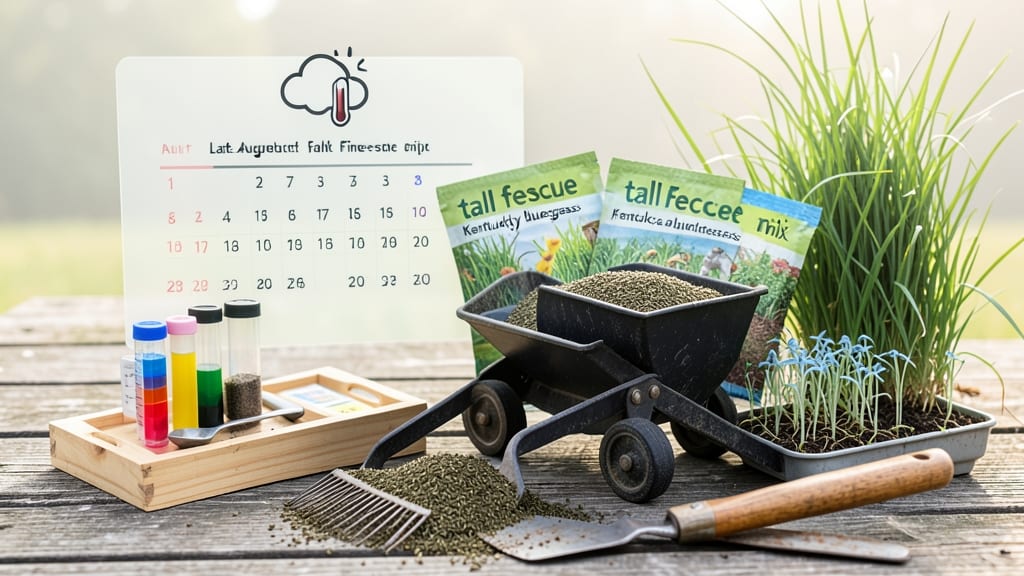
Planting grass seed in Kansas City at the right time means the difference between a lush, weed-free lawn and a patchy, high-maintenance struggle 🌱 — and the clock starts ticking before you even pull the seed bag open.
Kansas City’s unpredictable weather can turn a perfect lawn into a battleground—unless you plant grass seed at the exact right time. Timing isn’t just about seasons; it’s about avoiding heat stress, drought, and weeds that thrive when your grass is vulnerable.
If you’ve ever watched your new grass seedlings shrivel under a late spring heatwave or drown in a sudden September downpour, you know how critical the window is.
The best months in Zone 6a are early fall (September-October) and late spring (March-April), when soil temperatures hover between 50°F and 65°F—the sweet spot for germination.
Below, I’ll break down the ideal planting schedule for Kansas City’s climate, how to prep your soil for success, and the 5 pro tips that’ll keep your lawn thick and green—no matter what Mother Nature throws your way.
Best months to plant grass seed in Kansas City (with temperature guidelines)
Kansas City’s climate—with its hot summers, cold winters, and unpredictable rain—demands precision when planting grass seed. The ideal windows are early fall (September-October) and late spring (March-April), when soil temperatures and moisture align perfectly for germination.
Outside these times, your seed risks heat stress, drought, or weed competition, turning your lawn into a battleground instead of a lush carpet. Let’s break down the science behind these windows and how to avoid common pitfalls.
Fall planting is my top recommendation for Kansas City. The air cools, but the soil stays warm enough (50°F–65°F) for roots to establish before winter dormancy. This 6-week window (late August through October) gives seedlings time to grow deep roots before the first frost—typically around mid-October.
Spring planting is trickier because of spring rains and weed pressure, but if you act quickly after the last frost (mid-April), you can still achieve a thick lawn. The key? Soil temperature, not just air temperature.
Here’s the non-negotiable rule: Plant grass seed only when the soil temperature at a 4-inch depth hovers between 50°F and 65°F. In Kansas City, this usually means March 15–April 15 for spring and September 1–October 15 for fall.
Use a soil thermometer to check—don’t guess! If you plant too early, seedlings may bake in heat; too late, and they’ll struggle to root before winter. Missed the window? Your grass will grow patchy, weak, and vulnerable to weeds.
| Planting Window | Soil Temp Range (°F) | Air Temp Range (°F) | Risks to Avoid | Kansas City Timeline |
|---|---|---|---|---|
| Early Fall (Ideal) | 50°F–65°F | 60°F–75°F | Heat stress, drought | Late Aug–Oct 15 |
| Late Spring (Secondary) | 50°F–65°F | 50°F–70°F | Weed competition, slow growth | Mid-Mar–Apr 15 |
| Summer (Avoid) | Above 70°F | 80°F+ | Heat shock, fungal diseases | June–August |
| Winter (Avoid) | Below 40°F | 32°F–50°F | Frost damage, slow germination | Nov–Feb |
Spring planting in Kansas City is a high-risk, high-reward gamble. If you plant too early (before March 15), seedlings may emerge during freeze-thaw cycles, leading to uneven growth. Wait until the soil warms to 50°F+, and you’ll see faster germination.
Pro tip: Test your soil with a thermometer at 4-inch depth—surface temps can be misleading. For example, a sunny 70°F day in March might hide 45°F soil, which will stall your grass.
Fall planting, however, is where Kansas City gardeners really shine. The 6-week window from late August to mid-October gives seedlings time to establish roots before winter. The cool nights and warm days create ideal conditions, and weeds are less aggressive.
Plus, fall rains reduce your watering burden. My secret weapon? A light mulch (like straw) after planting to retain moisture and regulate soil temperature. This simple step can double your success rate in KC’s variable climate.
One of the biggest mistakes I see in Kansas City is planting warm-season grasses (like Bermuda or Zoysia) in spring. These thrive in 80°F+ soil, which doesn’t happen until June or July—way too late for a lush lawn.
Instead, opt for cool-season grasses like Kentucky bluegrass or tall fescue, which germinate in 50°F–65°F soil. If you
How Kansas City’s microclimates affect grass seed planting success
Kansas City’s sprawling urban and suburban landscape creates distinct microclimates that can shift your grass seed planting schedule by weeks. The city’s north side often stays cooler and wetter due to the Missouri River’s influence, while the south side bakes faster in summer and dries out sooner.
Even neighborhoods just miles apart can experience 5-10°F temperature differences during critical planting windows.
Urban areas with concrete and asphalt (like downtown) create heat islands that delay spring planting and accelerate summer drought stress. Meanwhile, suburban neighborhoods with more trees and lawns maintain cooler, more stable soil temperatures.
These variations mean your ideal planting window might be September 15 in one part of town but October 1 just 10 miles away.
Even elevation changes of 50-100 feet can affect planting success. Higher areas dry out faster, requiring earlier fall planting to establish roots before winter.
Low-lying spots may stay damp longer, creating fungal risks if you plant too late. Weed competition also shifts—urban areas see more crabgrass, while suburban yards battle dandelions and clover more aggressively.
⚠️ Microclimate Mistake Alert!
Planting at the "wrong" time due to local conditions can mean 50% seed failure in Kansas City. North KC: Wait until soil temps drop below 70°F in fall (usually late September). South KC: Start 2 weeks earlier (mid-September) to beat summer heat. Urban areas need 10% more water than suburbs during establishment.
Adjust your watering schedule based on microclimates too. South-facing yards may need morning watering to prevent evaporation, while north-facing areas can handle evening watering without fungal risks. Shady microclimates (common in older neighborhoods) require shade-tolerant grasses like fine fescue and more frequent watering since they dry out slower.
For urban lawns, consider cool-season grasses like Kentucky bluegrass that handle spring’s temperature swings. Suburban yards with more sun can try tall fescue blends that tolerate both heat and drought. Test your soil in multiple spots—pH can vary by 0.5-1.0 points between microclimates, affecting germination rates.
Pro tip: Use weather station data from KC’s north (like North Kansas City) and south (like Lee’s Summit) to fine-tune your timing. Delay planting if recent rains have saturated your soil—waterlogged seed won’t germinate, even at perfect temperatures.
With these microclimate adjustments, your grass seed success rate can jump from 60% to 90%+.