
Lawn
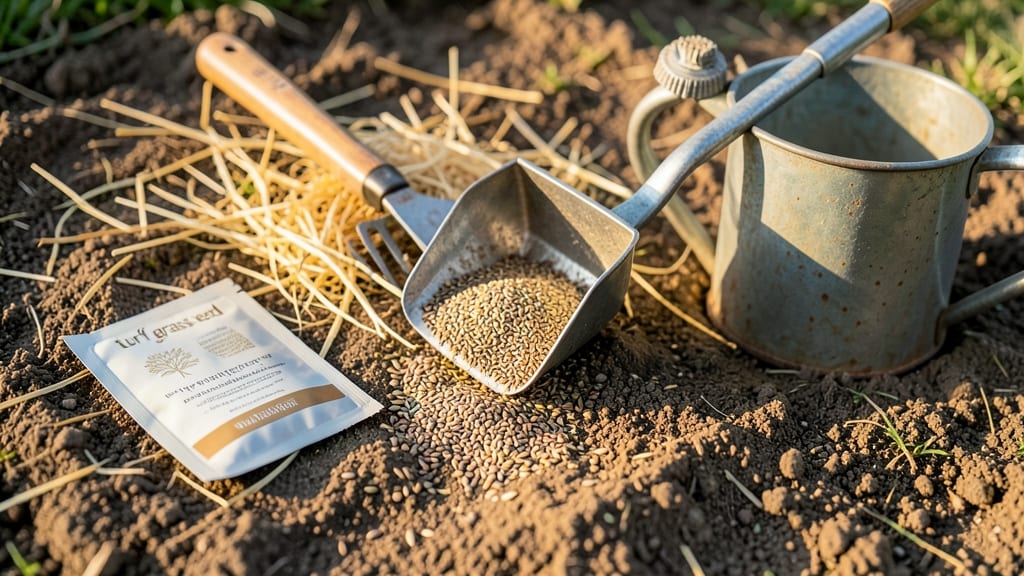
Planting grass seed in Virginia at the right time means the difference between a lawn that thrives and one that struggles 🌱 — and the best windows are early spring or early fall, when soil temperatures and moisture align perfectly.
Picture this: you’ve spent hours preparing your soil, choosing the right seed blend, and even testing the pH—only to watch your new grass sputter and fade because you planted it too early or too late.
In Virginia’s 7a-8a zones, timing isn’t just about seasons; it’s about microclimates, from the humid Coastal Plain to the cooler mountain regions.
Cool-season grasses like tall fescue and Kentucky bluegrass love the mild temperatures of March-April or August-September, while warm-season types like Bermuda and Zoysia need the heat of late spring. Get it wrong, and you’re fighting drought, weeds, or slow germination for months.
Here’s what you’ll discover: the exact planting dates for your Virginia zone, how to prep your soil for fast germination, and the 3 critical mistakes that kill lawns before they even start. Let’s make sure your grass gets off to the right start.
Virginia’s grass planting zones & ideal dates by month
Virginia’s diverse climate—from the humid coastal plains to the cooler mountain regions—creates unique planting windows for grass seed. The USDA zones 6b through 8a dominate the state, meaning your last frost date (around March 15) and first frost (around November 15) shift slightly depending on elevation.
Cool-season grasses like Kentucky Bluegrass and Tall Fescue thrive when planted in early spring or fall, while warm-season types like Bermuda and Zoysia need late spring timing for best results.
Soil temperature is the deciding factor for germination. Most grass seeds need soil to be between 55°F and 75°F—too cold, and seeds won’t sprout; too hot, and they’ll dry out. In Virginia’s Piedmont (zones 7a-7b), this often means March-April for spring and August-September for fall.
Coastal areas (zones 7b-8a) can plant slightly earlier, while mountain regions (zones 6b-7a) may need to wait until mid-April or late August.
⚠️ CRITICAL NOTE: Avoid planting when soil temps exceed 80°F—this stresses seeds and invites weeds. Use a soil thermometer (available at garden centers) to check before sowing. In Virginia, late May through July is typically too hot for cool-season grasses, while warm-season grasses can handle these temps if established early.
For cool-season grasses, fall planting (August-September) is often superior to spring. Why? Seeds germinate in warm soil but establish roots before winter, giving them a head start in spring.
In Virginia’s Piedmont region, aim for late August—early enough to avoid summer heat but late enough for soil warmth. Coastal areas can start as early as mid-August, while mountain zones may need to wait until mid-September.
If you’re planting warm-season grasses like Bermuda or Zoysia, late spring (April-May) is critical. These grasses go dormant in winter, so they need time to develop deep roots before Virginia’s first frost.
In zone 8a (coastal), you can push planting to early June, but mountain zones (6b-7a) should finish by mid-May to avoid heat stress.
Rainfall patterns also play a role. Virginia’s summer droughts (common in July-August) make spring planting risky for cool-season grasses. Always water deeply after sowing—aim for 1 inch per week—and use a light mulch (like straw) to retain moisture.
In humid coastal areas, be cautious of fungal diseases; avoid overhead watering in late afternoon.
Pro tip: Check Virginia Cooperative Extension’s local frost maps (available online) for your exact county. For example, Roanoke (zone 7a) might have a last frost date of April 5, while Norfolk (zone 8a) could see March 1.
Planting 2 weeks after your area’s last frost is a safe rule of thumb for spring.
Finally, don’t overlook soil preparation. Virginia’s clay-heavy soils (common in Piedmont) benefit from compost amendments to improve drainage. Test your soil’s pH (ideal: 6.0–7.0 for most grasses)
How to choose the best planting time for your Virginia lawn type
Virginia’s diverse climate means your best planting time depends on both grass type and local microclimate. Coastal areas like Norfolk thrive with early spring plantings, while mountain regions near Roanoke benefit from late summer sowing. Let’s break down the ideal windows for Virginia’s most popular lawn grasses.
First, identify your Virginia microclimate. Coastal Virginia (Zone 8a) has milder winters, while the Piedmont (Zone 7b) and mountains (Zone 6b) experience colder temperatures. Cool-season grasses like Kentucky Bluegrass and Fescue love Virginia’s spring and fall, while warm-season grasses like Bermuda and Zoysia prefer summer heat.
Soil temperature is your secret weapon. Most grass seeds need soil that’s 55-65°F for germination. In Virginia, this typically means March-April for spring and August-September for fall. Use a soil thermometer to check—if it’s too cold or hot, wait a week or two.
| Grass Type | Best Planting Time | Soil Temp | Virginia Region | Key Tip |
|---|---|---|---|---|
| Kentucky Bluegrass | Early Spring (March-April) or Early Fall (August-September) | 55-65°F | Coastal & Piedmont | Needs consistent moisture |
| Tall Fescue | Late Summer (August-September) | 60-70°F | Mountains & Piedmont | Drought-resistant once established |
| Bermuda Grass | Late Spring (May-June) | 70-80°F | Coastal & Piedmont | Goes dormant in winter |
| Zoysia Grass | Early Summer (June) | 75-85°F | All Regions | Slow to establish but durable |
For coastal Virginia, aim for March 15-April 15 in spring or August 15-September 15 in fall. The milder climate lets you plant slightly earlier than inland areas. In the Piedmont region, wait until April 1-May 1 for spring to avoid late frosts, and September 1-October 1 for fall.
Mountain regions near Roanoke or Blacksburg should plant cool-season grasses in late April-May to avoid frost, while warm-season grasses like Bermuda do best in late May-June. Check your local Virginia Cooperative Extension for frost dates—some mountain areas can have 30°F nights even in May.
Pro tip: If you’re overseeding, choose late summer (August) to take advantage of fall rains and cooler temps. For new lawns, spring planting gives roots time to establish before summer heat. Always test your soil first—Virginia’s clay-heavy soils often need compost or sand for better drainage.